Hail Claims and Denials in Texas' Hail Belt
DFW's 2025 hail season set records for claims paid. Here's why claims still get denied or underpaid, and what a Texas owner can do next.
On this page · 9 sections
- Why cars in North and Central Texas keep getting hit, and why the check doesn't always cover the damage
- How bad is hail really in North and Central Texas?
- Why would an insurer deny or underpay a hail claim if the damage is obvious?
- Why does homeowners' insurance data matter for a car owner reading this?
- Does it matter which part of the hail belt you're in?
- What can you actually do after a denied or inadequate hail claim?
- What if the payout still doesn't make fixing the car worth it?
- The bottom line
- Frequently Asked Questions
Why cars in North and Central Texas keep getting hit, and why the check doesn't always cover the damage
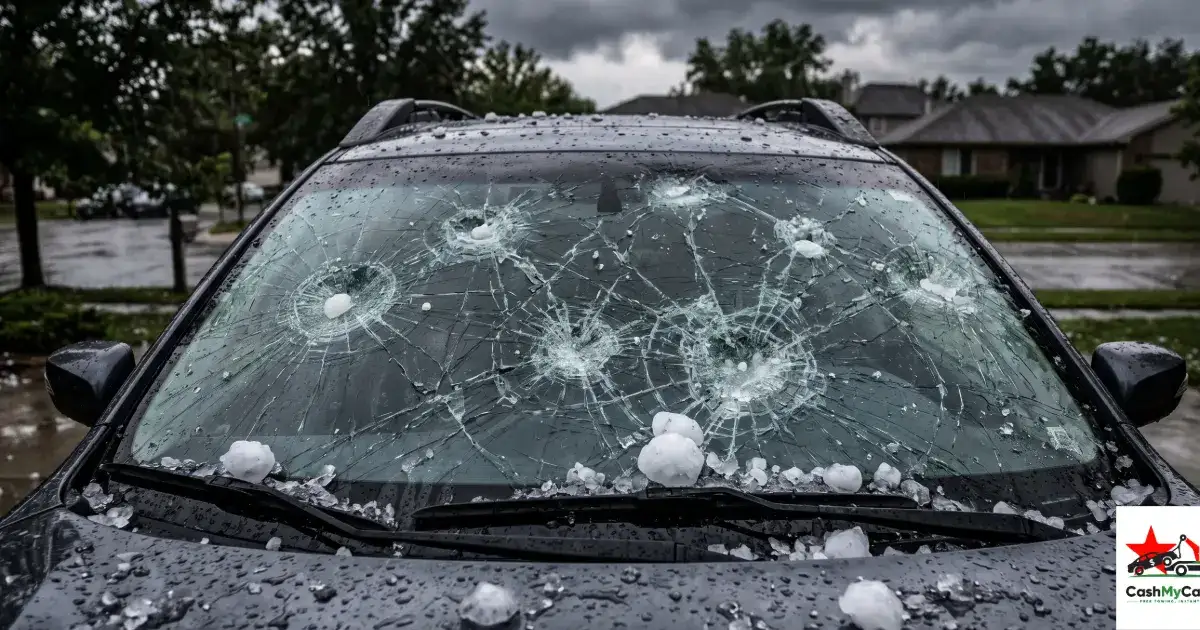
You parked your car the way you always do, and woke up to a windshield full of pockmarks and a hood that looks like it lost a fight with golf balls. If you live anywhere between Fort Worth and San Antonio, this isn't a rare event happening to you specifically — it's a predictable, well-documented feature of where you live. What's less predictable, and more frustrating, is what happens after you file the claim: a denial, a lowball number, or a deductible that eats most of the payout. Here's what's actually driving both the storms and the claims fights that follow them.
How bad is hail really in North and Central Texas?
Texas experiences roughly 124 hail events per year on average, concentrated in a corridor that runs from the Panhandle through North Texas and the Dallas-Fort Worth Metroplex, then south into Central Texas and the Hill Country — the stretch insurers and meteorologists commonly call "hail alley." That corridor puts DFW, one of the largest and most densely insured residential and vehicle markets in the country, directly in the highest-frequency zone in the state.
2025 put a hard number on what that exposure means in dollars. State Farm alone paid $1.4 billion in Texas hail-related claims in 2025, more than any other state in the country and 27% more than the company paid in Texas the year before — and the National Insurance Crime Bureau has flagged Texas as the nation's hail damage capital for 11 straight years running. A single storm on June 1, 2025, dropped golf-ball-sized hail across the Dallas-Fort Worth Metroplex and caused what local coverage described as damage unlike anything seen before in the region — to homes, vehicles, and public property across North Texas in one night.
NOAA's Storm Prediction Center, which issues the convective outlooks meteorologists use to forecast severe hail risk, and its Storm Events Database, which logs verified hail reports by county, both show this corridor lighting up repeatedly through spring and early summer — the season when Gulf moisture collides with dry lines moving across North and Central Texas. It's not a one-year anomaly; it's the seasonal pattern the region sees most years, with 2025 simply landing on the higher end.
Why would an insurer deny or underpay a hail claim if the damage is obvious?
A few recurring reasons show up across Texas hail claims, and none of them are secret — they're built into how comprehensive coverage and deductibles work:
The deductible eats the small stuff. Comprehensive coverage, which is what pays for hail damage on a vehicle, applies your deductible before anything gets paid out. If your deductible is $500 or $1,000 and the repair estimate comes in near that number, the insurer's check may barely cover the difference — or nothing at all, technically a "claim paid" that feels like a denial.
Pre-existing damage gets flagged. Texas Department of Insurance guidance is direct on this: if an adjuster spots unrepaired hail damage from a prior storm on your vehicle, it can affect how — or whether — a new claim gets paid, since insurers distinguish between fresh damage and cumulative dings from storms you never filed on.
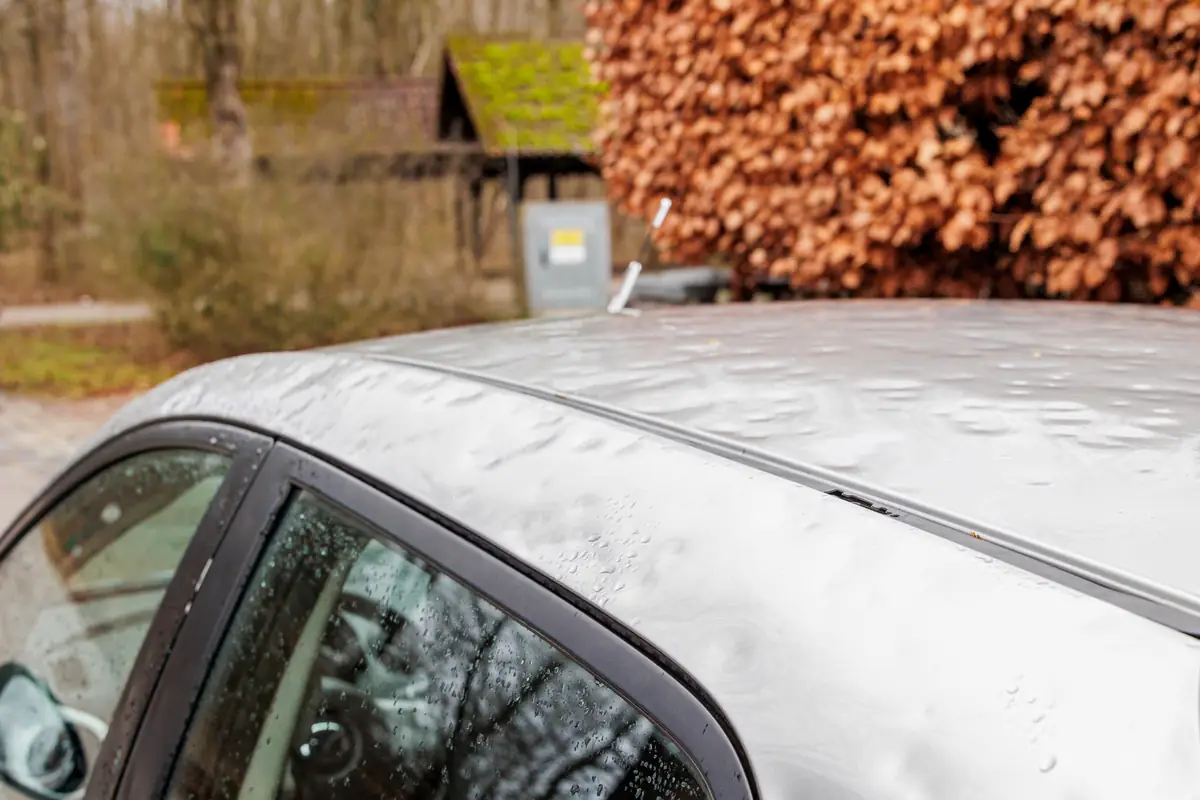
The threshold math doesn't clear. As with any total-loss determination, the insurer compares repair cost to the vehicle's actual cash value. On an older vehicle, extensive hail damage — dozens of dents across the hood, roof, and trunk — can rack up a repair estimate (paintless dent repair runs per-panel) that exceeds what the car is worth, resulting in a total-loss offer instead of a repair check, and that offer is where a lot of owners feel shortchanged.
Roof and body condition affect eligibility. TDI's consumer guidance notes that if a covered part is already in poor condition, the company might limit what it covers — the same logic applies to vehicle claims when adjusters weigh existing wear against storm damage.
The Texas Department of Insurance also flags a specific scam pattern connected to hail season: contractors or "storm chasers" who offer to waive your deductible in exchange for inflated invoices. TDI's guidance is explicit that waiving a required deductible this way is illegal, and it's worth knowing that warning applies to auto glass and body shops during hail season too, not just roofers.
Why does homeowners' insurance data matter for a car owner reading this?
Hail claims data on the property side of the market tells you something important about where the industry's head is at heading into each new storm season. Texas Department of Insurance data shows nonrenewal complaints more than doubled in 2024, and reporting on the DFW market notes that with roofs now running $20,000 to $30,000 to replace, insurers are treating hail exposure in North Texas as one of their top pricing risks. Some Texas homeowners have reported losing coverage altogether over hail risk, according to local news coverage in the DFW area.
That same risk repricing shows up on the auto side, just with less media attention. Comprehensive coverage premiums in hail-heavy Texas counties have been adjusting upward as insurers account for the same loss patterns — more frequent, more severe hail events translating into higher expected payouts per policy. If your premium has crept up even though you haven't filed a claim, this regional loss trend, not anything about your individual driving record, is very likely why. It also explains why insurers scrutinize hail claims more closely than they used to: every claim in a high-frequency zone like DFW gets weighed against a book of business that's already absorbing losses at a record pace.
Does it matter which part of the hail belt you're in?
Somewhat. DFW sees the highest concentration of large, damaging hail events tracked in NOAA's Storm Events Database, in part because it sits where dry lines moving off the Caprock collide with Gulf moisture pushing north — a setup that recurs multiple times most spring seasons. The hail belt runs heaviest through Dallas, Fort Worth, and Arlington before tapering off past Waco toward San Antonio, and claim denial patterns look similar across all of them, since insurers treat the entire stretch from the Metroplex through the Hill Country as a single elevated-risk corridor rather than treating DFW as an isolated hotspot. If your vehicle claim originated anywhere along that line, the same deductible and threshold dynamics described above apply, since they're driven by policy structure and vehicle valuation, not by which specific city the storm happened to hit.
What can you actually do after a denied or inadequate hail claim?
You have more room to push back than most owners realize:
- Request the itemized estimate. Ask your insurer for the full damage assessment, not just the settlement total, so you can see exactly what was and wasn't counted.
- Get an independent appraisal. Texas policies generally include an appraisal clause allowing you to hire your own qualified appraiser if you disagree with the insurer's number; if the two appraisals conflict, a neutral umpire resolves the difference.
- Document everything before repairs. Photos of every panel, the windshield, mirrors, and trim — dated and time-stamped — make any later dispute far easier to win.
- File a complaint with TDI if you believe the denial violated your policy terms; the Texas Department of Insurance investigates consumer complaints against licensed carriers operating in the state.
What if the payout still doesn't make fixing the car worth it?
This is the point where a lot of Texas hail claims quietly end — not with a big legal fight, but with an owner deciding the math doesn't pencil out. Paintless dent repair on a hood, roof, and trunk covered in hail hits can run into the thousands, and if your settlement (minus deductible) doesn't come close to covering it, you're left holding a car that's cosmetically rough but mechanically fine, or one the insurer has already declared a total loss with a check you don't think reflects its real value. Once you know whether the claim covers the damage or not, the next question is whether repairing the car is still worth it compared to what it's worth as-is.
Either way, you're not obligated to keep fighting an insurer's number indefinitely, and you're not obligated to drive a hail-battered car around for years either. CashMyCarTX buys hail-damaged cars as-is, so a denied or underpaid claim doesn't have to be the end of the road. In every case, you can get a real cash offer for the car as it sits — hail damage, denied claim, salvage title, or otherwise — without waiting on a second insurance appraisal to clear.
The bottom line
DFW and the corridor running down to San Antonio sit in one of the most hail-active regions in the country, and 2025's storm season — headlined by the June 1 DFW event and a record $1.4 billion in State Farm payouts alone — was real, sourced, and consistent with the pattern NOAA's Storm Prediction Center has tracked for years. Denials and underpayments aren't random; they trace back to deductibles, prior damage, and total-loss math that Texas policyholders can push back on with documentation and an independent appraisal. But when the numbers still don't add up to a repair worth doing, selling the car directly is a faster resolution than another round with the claims department.

Start with a call to (214) 617-0955 or get a real cash offer at https://cashmycartx.com/contact — no repair required, no waiting on a second adjuster visit, and no need to settle for a number that doesn't reflect what the car is actually worth.
Ready to get a real number for your car? Get an instant cash offer from CashMyCarTX — free towing anywhere in Texas.