Selling an Old Work Truck or Fleet Vehicle in Texas
How Texas small businesses can sell old fleet trucks and vans: title paperwork, bill of sale, tax basics, and multi-vehicle pickup logistics.
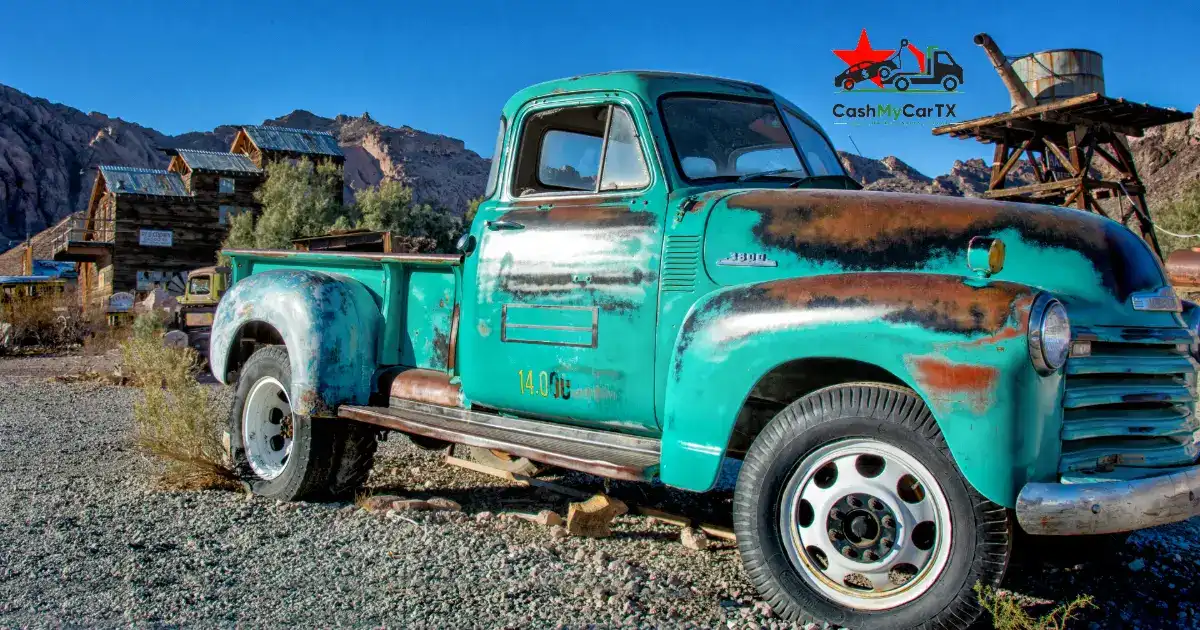
"I've got three old service trucks sitting behind the shop that don't run right anymore, and I don't even know whose name is on the titles at this point." That's a more common problem than most small business owners realize — fleet vehicles get titled to the LLC, drivers rotate, maintenance records get lost, and eventually you're left with aging trucks that cost more to keep than they're worth.
Disposing of a business-titled vehicle isn't the same as selling your personal car. The paperwork runs through the business, the tax treatment is different, and if you're clearing out more than one vehicle at once, the logistics multiply. Here's what actually changes when the seller is a business instead of an individual, using Texas rules as they stand today.
On this page · 10 sections
- Is selling a business-titled vehicle different from selling a personal one?
- What paperwork do I need to sell a company vehicle?
- What are the basic tax considerations when a business sells an old vehicle? (General information, not tax advice)
- How does selling multiple vehicles at once work logistically?
- What if the vehicle registration lapsed or the title is hard to locate?
- Does it matter if the vehicle has commercial plates or a motor carrier number?
- Where does this come up most for Texas business owners?
- What's the fastest way to actually get these vehicles off your lot?
- Bottom line
- Frequently Asked Questions
Is selling a business-titled vehicle different from selling a personal one?
Yes, mainly in three ways: who signs the paperwork, what documentation proves the sale, and how the transaction shows up on your books. The vehicle itself doesn't care who owned it, but Texas title transfer rules and IRS reporting both treat a business disposal differently than a private-party sale between two individuals.
In Texas, transferring any titled vehicle requires a signed Application for Texas Title and/or Registration (Form 130-U) showing the sales price, submitted to the county tax office. When the seller is a business, the signature on that form has to come from someone actually authorized to sign on the company's behalf — typically an owner, officer, or a manager with documented authority — not just whoever happens to be dropping the truck off. If your LLC has had turnover in ownership or management since the vehicle was titled, confirm who can legally sign before a buyer shows up to collect it, so the deal doesn't stall at the county tax office over an authorization question.
What paperwork do I need to sell a company vehicle?
At minimum, expect to handle:
- The original title, signed by an authorized company representative, with any lien clearly released if the vehicle was financed.
- Form 130-U, showing the sales price — this is the same form used in any Texas vehicle sale, business or personal, and it's what the buyer uses to title the vehicle in their name.
- A bill of sale, ideally on company letterhead or at least referencing the business name, VIN, sale price, sale date, and signatures from both the authorized company representative and the buyer. This protects the business the same way a bill of sale protects an individual seller — it's your record that the vehicle left company hands on a specific date, for a specific amount, to a specific party.
- A Vehicle Transfer Notification (Form VTR-346) filed with TxDMV after the sale. This is easy to overlook when you're moving multiple vehicles at once, but it's what gets each vehicle off your company's liability record — protecting the business from tickets, tolls, or other issues tied to a truck you no longer own. It's the same filing requirement that applies to any personal vehicle sale, covered in more detail in what a seller still owes the DMV in paperwork after a car sale closes — the business context just adds a signing-authority layer on top.
If the vehicle was ever used as loan collateral, confirm the lien is fully released and reflected on the title before a buyer picks it up — a title with an unreleased lien can hold up the entire transaction.
What are the basic tax considerations when a business sells an old vehicle? (General information, not tax advice)
When a business disposes of a vehicle that's been used and depreciated as a business asset, the sale typically gets reported differently than a personal car sale would be. Under IRS rules described in Publication 544 and the instructions for Form 4797, business vehicles are generally treated as property used in a trade or business, and depreciation you've already claimed on the vehicle can be "recaptured" — meaning some or all of the gain on the sale may be taxed as ordinary income rather than capital gain, depending on how much depreciation was taken and what the vehicle sells for relative to its depreciated basis.

In plain terms: if you've written off most or all of a truck's value over the years and then sell it for a few hundred or a few thousand dollars, that sale amount is generally income to the business, and there may be depreciation recapture to account for depending on your specific facts. This is exactly the kind of thing that varies by entity type, how the vehicle was depreciated (standard mileage vs. actual expenses, Section 179, bonus depreciation, etc.), and your overall tax situation — so treat this section as a starting point for a conversation with your accountant or tax preparer, not as tax advice. What you can control right now is keeping clean records: the bill of sale, the sale price, and the date, so whoever handles your books has what they need when the return is prepared.
How does selling multiple vehicles at once work logistically?
This is where fleet disposals differ most from a single personal sale. A few things to plan for:
- Get one combined quote request in, not five separate ones. If you're clearing out several trucks or vans, describe the whole group — makes, models, approximate mileage, running condition — in one conversation so you get pricing for the group rather than juggling different buyers for each vehicle.
- Confirm pickup can happen on one schedule. Multi-vehicle pickups usually work best scheduled together, especially if the vehicles are parked at a single yard or lot — it minimizes the number of times someone has to be on-site to hand over keys and paperwork.
- Have titles and authorization sorted before pickup day, not on it. Nothing stalls a fleet sale like a buyer's truck on-site while someone is still trying to track down which titles are signed and which aren't.
- Match paperwork to each specific VIN. When you're moving three or four similar work trucks, it's easy to mix up which bill of sale and which released lien goes with which vehicle — label everything by VIN as you prepare it.
What if the vehicle registration lapsed or the title is hard to locate?
This happens more often with fleet vehicles than personal ones, especially trucks that got parked "temporarily" behind a shop two or three years ago and never moved again. A lapsed registration doesn't prevent a sale — registration and title are separate things, and you can transfer a title on a vehicle that isn't currently registered or inspected. The bigger issue is a missing or lost title. If your business can't locate the original title, you'll need to request a certified copy from TxDMV before the sale can proceed, which takes some lead time, so it's worth checking early rather than discovering the gap the day a buyer is ready to pick up the truck. If the vehicle was financed and the lien was paid off years ago but never formally released on paper, resolve that with the lender or lienholder before listing the vehicle — an unreleased lien is one of the more common last-minute snags in fleet disposals.
Does it matter if the vehicle has commercial plates or a motor carrier number?
It can affect how the buyer registers it going forward, but it doesn't change your obligations as the seller. If the vehicle carries commercial plates, apportioned registration, or is tied to your company's motor carrier number, make sure whatever plates or markings identify your business are removed or accounted for before the vehicle leaves your lot — magnetic signs, DOT numbers, dispatch stickers. This is a practical step, not a legal requirement in every case, but it protects your business from being associated with a vehicle you no longer own, especially once it's back on the road under someone else's operation.

Where does this come up most for Texas business owners?
Fleet turnover shows up constantly in service-based businesses — HVAC, plumbing, landscaping, delivery, construction — concentrated in and around commercial and industrial corridors in cities like Fort Worth and Arlington, where a lot of small operators run out of a shop or yard with several vehicles registered to the business. Whether you're retiring one aging box truck or clearing out a small fleet after an equipment upgrade, the mechanics are the same: confirm signing authority, get the bill of sale right, file the transfer notification, and loop in your accountant on the tax side before the sale closes.
What's the fastest way to actually get these vehicles off your lot?
Once the paperwork side is sorted, the biggest practical question is finding a buyer who will take non-running or high-mileage commercial vehicles as-is, without requiring you to get them running or hauled to a buyer's location yourself. That's the part CashMyCarTX handles directly — we buy work trucks, vans, and fleet vehicles in any condition, we can quote a group of vehicles together instead of one at a time, and we coordinate pickup on your schedule rather than asking you to work around ours.
If you've got one truck or a whole back lot to clear out, get a real cash offer through CashMyCarTX, or call (214) 617-0955 to talk through the specifics — how many vehicles, what condition, and where they're parked. We serve businesses across Texas, including shops around Fort Worth and Arlington, and we're used to working directly with owners and managers who don't have time to run this as a multi-week project.
Bottom line
Selling a business vehicle in Texas runs through the same basic title system as a personal sale, but the details that trip people up are different: confirming who's authorized to sign, keeping a clean bill of sale tied to the business, understanding that depreciation recapture may apply before you spend the proceeds, and filing the transfer notification so old vehicles stop being your liability. Handle those four things up front, and clearing out one truck or an entire aging fleet becomes a same-week problem instead of a lingering one.

Ready to get a real number for your car? Get an instant cash offer from CashMyCarTX — free towing anywhere in Texas.