Why Total-Loss Offers Are Changing in Texas
Total-loss frequency hit a record 23.1% in 2025. Here's what that means for Texas sellers getting a settlement offer right now.
On this page · 10 sections
- A 2026 look at what's really happening when an insurer says "total loss"
- What's actually changing in total-loss frequency?
- Why does a smaller repair bill total a car now than it did a few years ago?
- Does this mean my total-loss check will be lower than expected?
- What role do vehicle theft trends play in all this?
- How does this play out differently for older vehicles versus newer ones?
- What should a Texas seller actually do with a total-loss offer right now?
- What if I'd rather just be done with the car?
- The bottom line
- Frequently Asked Questions
A 2026 look at what's really happening when an insurer says "total loss"
You filed a claim expecting a repair estimate, and instead got a letter declaring your car a total loss — for damage that, to your eye, looked fixable. If that felt like the insurance company found a shortcut, you're reading the moment correctly, just not for the reason you'd expect. It isn't that your specific claim got unlucky. It's that total-loss decisions across the entire country, and especially in Texas, have shifted structurally over the last two years, and the math behind that shift now works against keeping a damaged car on the road.
What's actually changing in total-loss frequency?
Total losses hit a record 23.1% of all auto claims in 2025 — the highest rate in industry history — according to CCC Intelligent Solutions' Crash Course 2026 report, released in March 2026. That means for roughly 1 in every 4 vehicles that go through a claims process today, the insurer decides repair costs more than the car is worth, rather than authorizing a repair. CCC is the analytics firm whose estimating software most major U.S. insurers use to write collision and comprehensive estimates, so when their aggregate data moves, it moves because claims behavior is moving industry-wide, not because of a handful of outlier insurers.
CCC's report ties the jump to a few compounding forces: aging vehicles, rising bodily injury costs, higher deductibles, and the growing cost of repairing modern vehicle technology. The average light vehicle on U.S. roads is now 12.8 years old, and there are 12 million fewer vehicles six years old or newer on the road compared to 2020, according to CCC's data. Older cars have lower actual cash value, so it takes a smaller repair bill to tip them past the total-loss threshold. At the same time, repairs themselves have gotten more complicated — CCC found that 28.3% of all repairable estimates in Q4 2025 included at least one sensor calibration, up from 21.8% in Q4 2024, reflecting how many cars now carry cameras and radar sensors behind the bumper and windshield that have to be recalibrated after even modest bodywork.
Mitchell International, the other major claims-estimating platform used across the industry, has published similar findings through its parent company Enlyte: total loss market values rose well above historical averages through 2025, while claims volume overall trended lower but severity per claim climbed. Fewer accidents, in other words, but each one costing more to resolve — and more often ending in a total-loss check instead of a repair order.
Why does a smaller repair bill total a car now than it did a few years ago?
Because the two numbers in that comparison — repair cost and vehicle value — are moving in opposite directions. Repair costs are climbing due to calibration requirements, parts costs, and labor rates. Vehicle values, especially for cars over eight or ten years old, are not keeping pace, and in some segments are falling. When an insurer runs the numbers, a repair estimate that would have been "worth it" against a 2019 valuation may not clear the bar against a 2026 valuation for the same car.
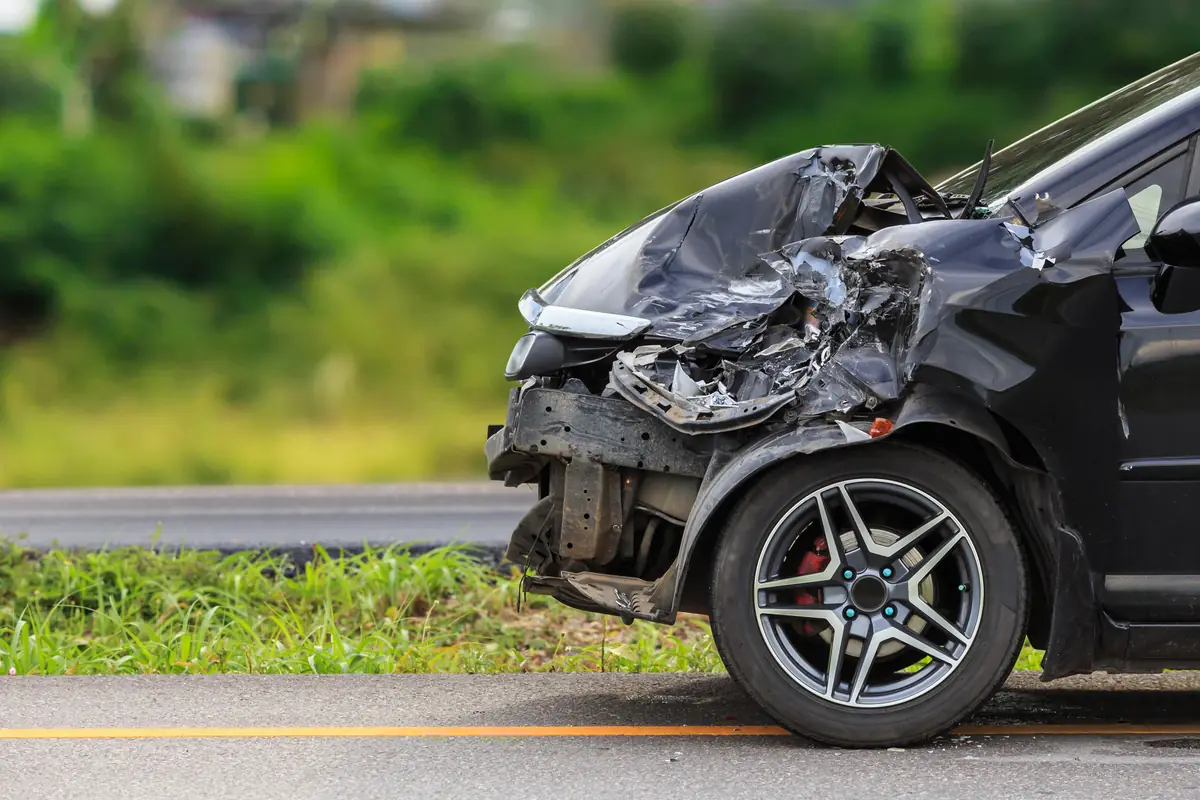
Texas law sets the state's total-loss threshold at 100% of a vehicle's actual cash value — meaning by state definition, a car isn't automatically "totaled" until repair costs equal or exceed its full ACV. But that's a regulatory ceiling, not what insurers actually use. Most individual policies set their own internal total-loss threshold well below that, commonly in the 70-80% range, which means your insurer can declare a total loss and cut you a check long before repair costs reach the full value of the car. If you're reading a total-loss letter and wondering why the number felt low, this is usually the mechanism: the percentage in your policy, applied against a valuation you may not have had a chance to challenge yet.
Does this mean my total-loss check will be lower than expected?
Possibly, and for a specific reason: the valuation methodology insurers use has to keep pace with a used-vehicle market that's been unusually volatile. Total-loss settlements are based on actual cash value at the moment of loss, calculated from comparable sales, not on what you paid or what you feel the car is worth. If the comp pool the insurer pulls includes vehicles in materially different condition, mileage, or trim, the settlement can land lower than a private-party sale would.
You do have leverage here. Texas allows you to dispute a total-loss valuation with your own comparable listings — actual for-sale vehicles matching year, make, model, mileage, and condition, ideally within your region. Insurers are required to justify their number if you push back with documentation. Public adjusters and consumer advocates recommend gathering at least three to five comps before you counter an offer, because a bare "I think it's worth more" rarely moves a claims adjuster, while three dealer listings for the same trim often will.
What role do vehicle theft trends play in all this?
It's a smaller factor than repair costs and vehicle age, but it's moving in a direction worth knowing about. The National Insurance Crime Bureau reported that U.S. vehicle thefts fell 23% in the first half of 2025 compared to the same period in 2024, following a 17% drop in 2024 that was itself the largest single-year decline in 40 years. NICB's full-year 2025 tally came in at 659,880 vehicles reported stolen nationwide, the lowest level in several decades. Thefts involving Hyundai and Kia models, which had driven a huge share of theft claims nationally after a well-publicized vulnerability, fell to 14% of all vehicle thefts in 2025, down from 16% in 2024 and 21% in 2023, as software fixes and anti-theft updates spread through those fleets.
Why mention theft data in an article about total-loss offers? Because theft recoveries and total losses share the same claims pipeline and the same valuation process. Fewer stolen vehicles means fewer theft-related total-loss claims flowing through insurers, which in turn means the total-loss frequency increase CCC documented is being driven almost entirely by collision and comprehensive damage — hail, collision impact, flood — rather than theft. If you're negotiating a total-loss offer today, it's worth knowing your claim is part of a genuine damage-driven trend, not an inflated number padded by a theft wave that isn't actually happening at the same rate it used to.
How does this play out differently for older vehicles versus newer ones?
The CCC and Mitchell data point in the same direction here: age is doing a lot of the work in whether a car gets totaled. A vehicle with a lower starting ACV needs a much smaller repair bill to cross even a conservative 70% policy threshold. A 2013 sedan with hail damage, a cracked bumper, and a bent control arm might only need $4,000-$6,000 in repairs to exceed 70% of its value, while the same repair bill on a 2022 model of the same car barely dents its ACV. That's part of why total-loss frequency has been climbing steadily even as overall crash and claims volume, per Mitchell's data, has been trending flatter — the vehicles involved are older on average, and older vehicles simply total out faster under identical damage.

For sellers, this cuts both ways. If your vehicle is older, expect insurers to lean toward total-loss determinations more readily than they might have five years ago — but it also means your comp pool for disputing a low valuation should specifically target vehicles of similar age and mileage, not newer trims that will always price out higher and get dismissed by the adjuster as non-comparable.
What should a Texas seller actually do with a total-loss offer right now?
A few practical steps make the difference between accepting the first number and getting a fair one:
- Request the full valuation report, not just the settlement figure. Insurers are required to show how they arrived at the number, including the comparable vehicles used.
- Pull your own comps from local dealer listings and marketplace sales for the same year, make, model, and mileage band before you respond.
- Check for betterment or prior-damage deductions buried in the report — these can shave hundreds or thousands off a payout and are sometimes applied incorrectly.
- Decide early whether you want to retain the salvage title or sign it over — retaining it (a "owner-retained" or "salvage buyback" total loss) usually reduces your payout but lets you keep the vehicle, which only makes sense if you have a specific plan for it.
If the settlement negotiation drags on, or if the car sat through the process and is now just taking up space on your property while you wait, that's often where a total-loss vehicle stops being worth the fight. Selling it directly, separate from the insurance settlement, is a legitimate option many Texas owners don't realize they have — you're not required to funnel every damaged vehicle back through the insurer's salvage pipeline.
What if I'd rather just be done with the car?
This is where a lot of Texas owners land, especially once they see how the math on total-loss frequency is trending. If the vehicle has an active claim, a salvage title already issued, or storm and hail damage that's not worth chasing through a drawn-out appraisal process, you can get a real cash offer for the car as-is rather than waiting on an insurer's timeline. It doesn't matter if the car's parked in a driveway in Dallas or a garage in San Antonio — the same 2026 valuation methodology applies statewide, and a lot of this shift traces back to why hail claims across the DFW-to-San Antonio corridor keep getting denied or underpaid in the first place.
CashMyCarTX buys vehicles across Texas in as-is condition — total-loss cars, salvage-titled cars, and vehicles insurers have already written off — without requiring repairs or a completed claims process first. You can start anywhere: call (214) 617-0955, or fill out the short form to get a real cash offer at https://cashmycartx.com/contact.
The bottom line
Total-loss offers are changing in Texas not because insurers are getting stingier for its own sake, but because the underlying math — older vehicles, pricier repairs, more sensors to calibrate, tighter policy thresholds — has shifted in a documented, industry-wide way. CCC's 23.1% record total-loss rate for 2025 isn't a one-off; it's the product of trends that Mitchell's industry data confirms independently. Knowing that going in means you can read your own settlement letter with the right context: what's negotiable, what to document, and when it's simply time to take the cash and move on to the next vehicle.

If you're holding a total-loss letter today and want a second number to compare it against, reach out. A same-day cash offer costs nothing to get, and it gives you a real baseline before you sign anything with your insurer.
Ready to get a real number for your car? Get an instant cash offer from CashMyCarTX — free towing anywhere in Texas.