Recovering a Title for a Long-Abandoned Vehicle in Texas
Published July 4, 2026 · CashMyCarTX Texas car-selling guide

San Antonio, TX — It's been sitting behind the shed for years, or you bought it off a relative with nothing but a handshake and a set of keys, or it turned up on your property after the last tenant moved out and never came back for it. Whatever the story, you've got a car and no title to prove it's legally yours. You can't register it, you can't sell it to most buyers, and you can't get liability insurance sorted the normal way. It feels like the car is stuck in limbo — but Texas actually has a defined legal path out of exactly this situation, and it doesn't require finding the original owner or waiting indefinitely.
What is a bonded title, and is it the right fix for my situation?
A bonded title is Texas's mechanism for establishing legal ownership of a vehicle when you don't have — and can't obtain — a clean paper trail proving you own it. The process runs through Form VTR-130-SOF, officially the "Bonded Title Application or Tax Collector Hearing Statement of Fact," available directly from TxDMV. This is the path for situations like a car left behind with no signed-over title, a vehicle bought years ago on a bill of sale that was never properly transferred, or a long-abandoned vehicle that ended up in your possession with no lienholder actively pursuing it.
To start the process, per TxDMV's published instructions, you submit both pages of the VTR-130-SOF form to a TxDMV Regional Service Center along with a $15 non-refundable processing fee, any evidence of ownership you do have (a partial title, a bill of sale, a canceled check, even informal documentation), and a government-issued photo ID for everyone signing the form. If the vehicle has no existing Texas title record, you'll also need a VIN inspection completed by law enforcement on Form VTR-68-A. If TxDMV determines the vehicle qualifies, it issues a Notice of Determination (Form VTR-130-ND) that specifies your required bond amount, which you then take to your county tax office to complete the process.
How much does the surety bond actually cost?
This is usually the number people want first, and it's tied directly to the vehicle's value. Per industry sources tracking Texas bonded title requirements, the surety bond amount is set at 1.5 times the vehicle's determined value as listed on the Notice of Determination. You don't pay that full bond amount out of pocket — a bond is a small percentage premium paid to a surety company, not the full face value — but the face value does set the size of the bond you need underwritten, and that in turn affects your premium.
There's a specific carve-out for older vehicles: if the car is 25 years or older and its appraised value comes in under $4,000, the bond is set at a flat $4,000 valuation regardless of the car's actual worth, meaning the bond itself is calculated at 1.5 times that $4,000 floor. That matters for the exact kind of vehicle this whole situation usually involves — an old car that's been sitting for years is rarely worth much on paper, but the bond math doesn't scale down infinitely with it.
Am I even eligible, or are there vehicles this won't work for?
Eligibility hinges mostly on liens, not on how long the car sat unregistered. If there's an active, recent lien on the vehicle — reporting sources note lenders generally won't underwrite a bond if a lien less than 10 years old shows up in the vehicle's records and hasn't been formally released — you won't qualify for a bonded title until that lien is resolved or proven satisfied. That's the main disqualifier. There isn't a hard statutory rule that a car must sit unregistered for a specific number of years before you can pursue a bonded title; what matters is that you genuinely can't produce a clean chain of title through normal means and can document your claim to the vehicle as best you're able.
This process also connects directly to Texas's abandoned-vehicle framework. If a car ends up in your possession because it was towed to, or abandoned at, a property you control, the vehicle storage facility rules under Occupations Code Chapter 2303 are a separate but related track — those govern how a licensed storage facility notifies owners and eventually disposes of unclaimed vehicles through public sale, with proceeds applied to accrued charges. A lot of these bonded-title situations start the same way an impounded car does, sitting unclaimed until storage fees start piling up. If you're a private individual (not a licensed storage facility) who ended up with an abandoned vehicle on your land, the bonded title/VTR-130-SOF path through TxDMV is generally your route to clear ownership, rather than the storage-facility lien-sale process, which applies to licensed tow yards.
How long does the whole bonded title process actually take?
There's no fixed statutory number of days, and the honest answer is that it depends heavily on how complete your documentation is going in. The fastest cases — where the applicant has a bill of sale, a partial title, or other reasonably clear evidence of ownership, and the vehicle already has a Texas title record so no VIN inspection is needed — can move through the Regional Service Center review, the Notice of Determination, and the county tax office processing in a matter of weeks once the surety bond is secured. Cases that need a law enforcement VIN inspection first, or where TxDMV has questions about the documentation submitted, take longer simply because each of those steps has to complete before the next one starts. Because the timeline is driven by document completeness rather than a countdown clock, the single biggest thing you control is how thorough your initial VTR-130-SOF submission is — incomplete paperwork is what turns a few-week process into a few-month one.
What documentation actually counts as "evidence of ownership" if I never got a title?
TxDMV's guidance is intentionally broad here, because the entire point of the bonded title process is to serve people who don't have a clean title to begin with. A bill of sale, even an informal handwritten one with a signature and date, counts. A canceled check made out to a previous owner for the purchase amount counts. Old registration renewal notices addressed to you at the vehicle's address count. Text messages or emails referencing the sale can sometimes support your case even if they're not a substitute for the stronger documents. The idea is to build a reasonable paper trail showing you're the person who has been treating the vehicle as your own, even without the formal title transfer that should have happened at the time. If you genuinely have nothing — no bill of sale, no canceled check, nothing in writing — you can still apply; TxDMV's process is built to accommodate exactly that gap, though the review may take a closer look given the thinner documentation.
What happens after the bond is issued?
Once your county tax office processes the bonded title, you hold a legitimate Texas title in your name — the vehicle is no longer stuck. There's a practical wrinkle worth knowing: a bonded title typically carries the bond obligation for a period of time (commonly cited as several years) during which a rightful prior owner could theoretically come forward with a valid superior claim. In practice, for a vehicle that's been sitting abandoned or informally transferred for years with no claimant surfacing, this risk is low, but it's part of why some buyers treat bonded-title vehicles slightly differently than clean-title ones.
Why does establishing title actually matter if I just want to get rid of the car?
Because without it, your options for disposing of the vehicle are much narrower and often worse for you financially. A car with no title can't be sold to most buyers, registered, or legally driven — you're limited to informal cash deals with no protection for either party, or having it towed away for free by a junk hauler who then handles the paperwork problem themselves and keeps the value difference. Once a bonded title is issued and the vehicle is legally yours on paper, you control the sale. You can get competing offers, document the transaction properly, and receive full value for the car instead of whatever a hauler is willing to give you to make the title problem disappear.
This is exactly the gap where a step-by-step approach pays off:
- File Form VTR-130-SOF with whatever partial documentation you have, even if it's just a bill of sale or old registration paperwork.
- Get the required VIN inspection from law enforcement if the car has no Texas title history on record.
- Secure the surety bond once TxDMV issues your Notice of Determination with the required bond amount.
- Complete the process at your county tax office, and once your bonded title is in hand, you're free to sell the vehicle like any other.
Selling once your title is clear
Once you're holding a bonded title, selling the vehicle for cash becomes straightforward — you don't need to explain a missing title to a buyer or accept a lowball offer because your paperwork is incomplete. CashMyCarTX buys vehicles across Texas, including cars that have been through this exact bonded-title process, so the paperwork doesn't have to be finished before you can sell. We've handled this for sellers in San Antonio and Austin, where bonded-title cases come up often enough that the process is familiar to us. If you're working through this process — or you've already got your bonded title in hand and just want it gone — go straight to get a real cash offer.
If you're still sorting out whether a bonded title is the right move for your specific situation, call us at (214) 617-0955 — we talk through title problems with sellers regularly and can at least tell you whether your car is a straightforward case or one that needs a title service's help first. A missing title doesn't mean a worthless car — it just means there's one more step between you and getting paid for it.
Is it ever worth selling before the bonded title is finished?
Generally, no — and this is worth being direct about. Most legitimate buyers, including us, need a title (bonded or otherwise) in your name before completing a purchase, because that's what makes the transaction clean for both sides. Selling a title-less car informally, before you've gone through the VTR-130-SOF process, usually means accepting a lower price from a buyer willing to take on the title risk themselves, or handing the problem to an unlicensed operator who may not handle it correctly at all. The bonded title process has real costs — the $15 processing fee, the surety bond premium, potentially a VIN inspection fee — but those costs are usually small relative to what a clean, legal sale nets you compared to an off-the-books deal. If time matters more to you than maximizing the sale price, that's a legitimate call to make, but it should be a deliberate one rather than a default because the title paperwork felt like too much of a hurdle.
A quick note on trailers, boats, and other titled vehicles
The VTR-130-SOF process and the bonded title system aren't limited to cars and trucks — TxDMV's bonded title framework applies to the broader category of motor vehicles requiring Texas titles, which can include trailers and certain other titled equipment depending on the specifics. If you've got a title problem on something other than a standard passenger vehicle, the same general process applies, though it's worth confirming the specific documentation requirements with TxDMV directly, since inspection and valuation details can differ by vehicle type.
Ready to get a real number for your car? Get an instant cash offer from CashMyCarTX — free towing anywhere in Texas.
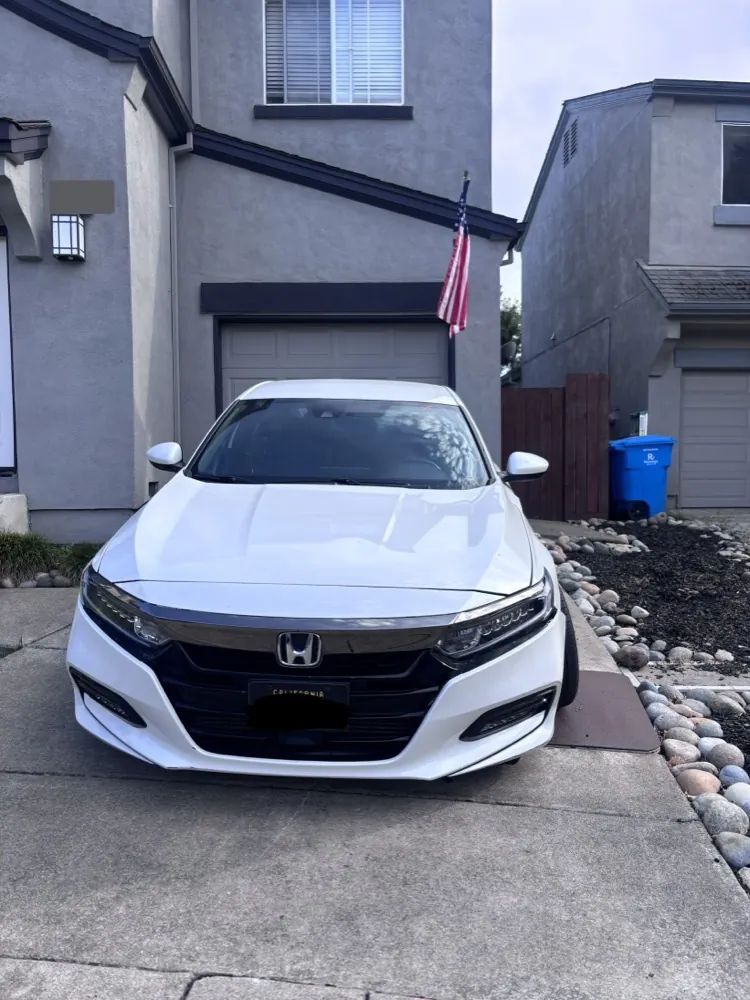
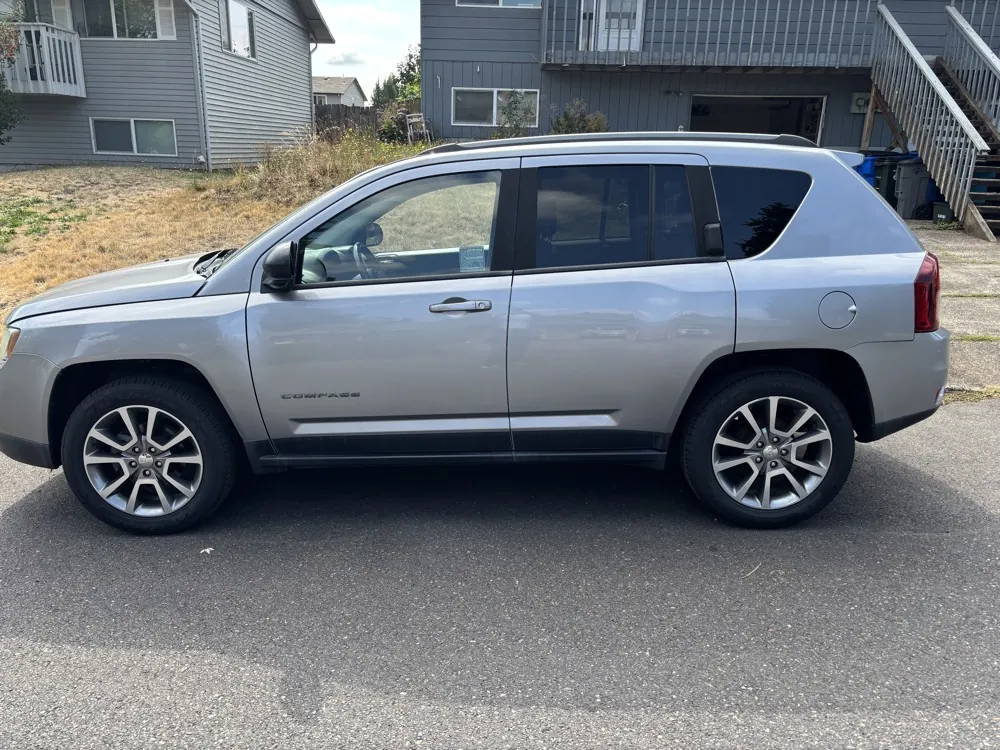
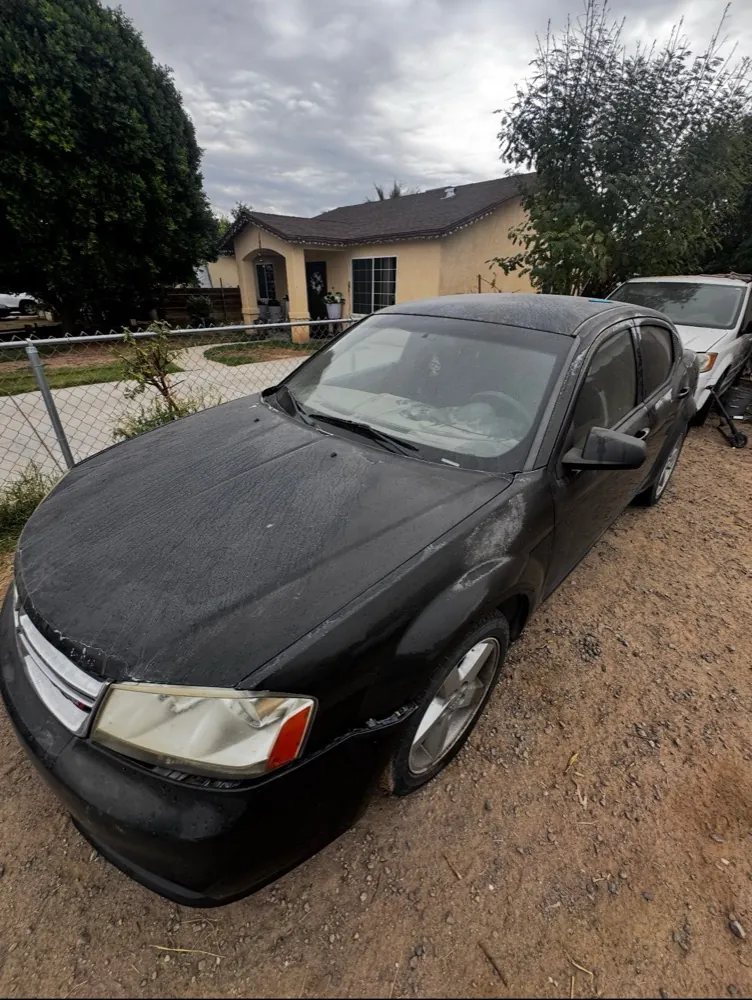
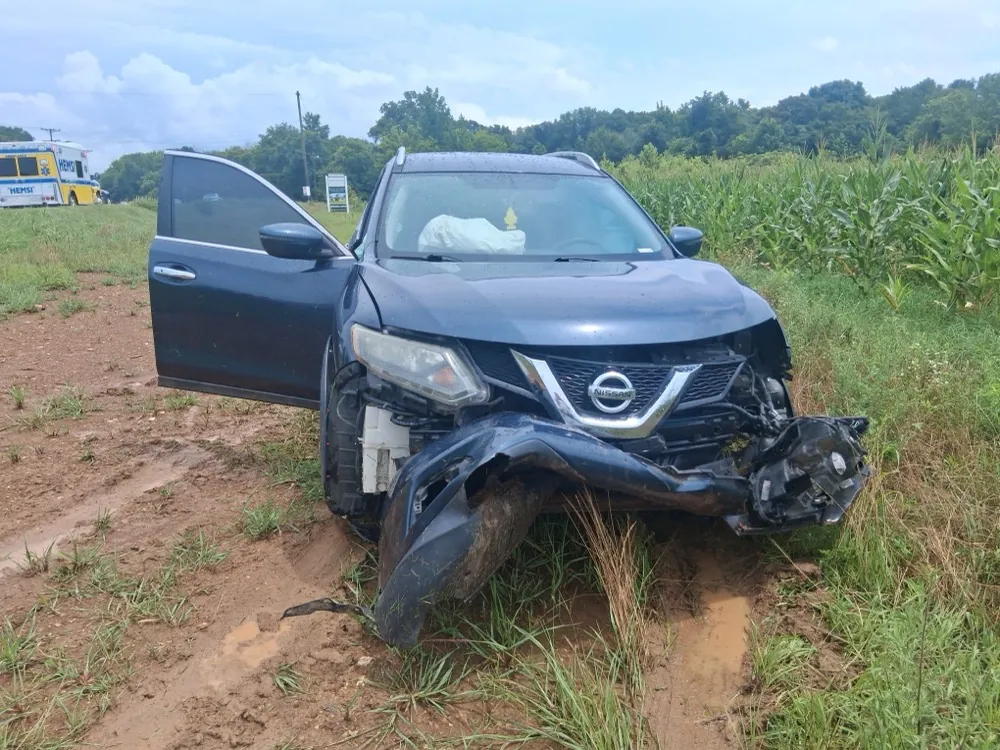
Recently Purchased Vehicles Across Texas
Illustrative examples — not live transaction data.