DMV Paperwork After Selling Your Car in Texas
Published July 4, 2026 · CashMyCarTX Texas car-selling guide

You sold the car. Maybe it was a relief — one less bill, one less thing sitting in the driveway reminding you of a decision you needed to make. But selling a vehicle in Texas isn't finished the moment cash changes hands and someone drives away with your keys. There's a paperwork trail that both protects you and legally completes the transfer, and skipping it is one of the more common ways a finished sale turns into a headache months later — a toll bill, a parking ticket, or worse, showing up with your name still attached.
Here's exactly what's supposed to happen after the sale, and why it matters more than it might seem in the moment.
What Form Do I Actually Need to Fill Out When I Sell My Car?
The core document is the Application for Texas Title and/or Registration, known as Form 130-U, which the Texas Department of Motor Vehicles requires for essentially every change of ownership in the state — sales, gifts, inheritances, and vehicles brought in from out of state.
As the seller, your job is to sign the title over to the buyer with the date of sale and odometer reading filled in correctly, and to complete your portion of the Form 130-U with the sales price clearly shown — that price is what the county tax office uses, along with the vehicle's Standard Presumptive Value, to calculate the sales tax the buyer owes. TxDMV's guidance specifically notes that while the buyer must sign the form with an original signature, the seller's signature may be reproduced or faxed, which gives sellers a little flexibility if you're not able to be present in person for every step.
Practically, most private-party sales work best when the buyer accompanies you to the county tax office, so a tax office representative can verify the title is being signed over correctly and confirm there are no salvage brands or legal issues attached to it before the buyer commits. It protects both sides.
Do I Have to Notify TxDMV Separately That I Sold the Car?
Yes, and this is a distinct step from signing the title over to the buyer. Texas requires vehicles to be titled in the buyer's name within 30 days of the sale date, but that responsibility technically falls on the buyer — the seller's protection comes from filing a separate notification confirming the sale happened on your end.
This site has covered the specific mechanics of that notification — TxDMV's Vehicle Transfer Notification (Form VTR-346) — in more depth elsewhere, so we won't repeat all of it here. The short version: filing that notification within 30 days of the sale is what protects you from being held liable for what the buyer does with the car after you've handed over the keys. It's a separate action from completing the Form 130-U, and both matter.
What Happens If I Skip the Paperwork?
This is the part sellers underestimate. According to TxDMV's own guidance, failing to properly transfer a vehicle into the buyer's name can result in the seller being held responsible for tickets, toll violations, or even crimes committed with the vehicle after the sale — because as far as the state's records are concerned, you're still the owner until the transfer is processed.
Think about what that actually means in practice: a car with your name still on it can rack up toll charges on a road you've never driven, get photographed running a red light in a city you don't live in, or worse, get involved in something serious while someone else is behind the wheel — and the first call goes to you, because your name is the one on file. This isn't a rare edge case; it's the direct, predictable result of a title transfer that never got finished. Skipping this paperwork is exactly the gap that lets a lot of junk car buyer scams slip through, so it's worth knowing what to watch for before you sign anything.
The fix is straightforward: complete your part of the Form 130-U at the time of sale, keep a copy for your own records, and file the separate vehicle transfer notification. Together, those two things close the loop and move liability off of you and onto the new owner, where it belongs.
Do I Need to Worry About Sales Tax When I Sell My Car?
As the seller, motor vehicle sales tax is generally the buyer's responsibility, not yours — but it's worth understanding so you're not caught off guard by questions at the tax office. Under rules published by the Texas Comptroller, private-party buyers in Texas pay a 6.25 percent motor vehicle sales tax on either the sales price or the vehicle's Standard Presumptive Value, whichever is higher. TxDMV publishes a Standard Presumptive Value calculator specifically so buyers and sellers can check that figure before heading to the tax office.
Why does this matter to you as the seller? Because if you write down an unrealistically low sales price on the Form 130-U to try to help the buyer save on tax, and that number is well below the vehicle's Standard Presumptive Value, the county will simply calculate tax off the higher SPV figure anyway — so there's no real benefit, and it can raise questions about the accuracy of the paperwork you signed. Writing the actual agreed sales price is the straightforward, defensible path.
One separate wrinkle: if you're transferring the vehicle as a genuine gift rather than a sale — to a spouse, parent, child, sibling, or similar close relative — Texas applies a flat $10 gift tax instead of the standard sales tax calculation, but that requires a specific Comptroller form (Form 14-317, Affidavit of Motor Vehicle Gift Transfer) signed by both parties. That process is meaningfully different from a cash sale, so it only applies if you're genuinely gifting the vehicle rather than selling it.
What Liability Does This Paperwork Actually Protect Me From?
To put it plainly, correctly completed paperwork protects you from three things:
- Traffic and toll liability — tickets, red-light camera citations, and toll violations that TxDMV's system would otherwise associate with your name as the vehicle's owner of record.
- Registration and inspection responsibility — since the vehicle stays associated with you in state records until the transfer is processed, unresolved registration issues can also trail back to you.
- Broader legal exposure — in the rare but real cases where a vehicle is used in a crime after being sold, an owner of record with no paper trail showing the sale has a much harder time establishing they were not involved.
None of this requires a lawyer or a complicated process. It requires two things done at or near the time of sale: your signed portion of the Form 130-U with an accurate sales price, and the separate transfer notification confirming the vehicle changed hands. Keep copies of everything — the signed title, the completed 130-U, and confirmation of the notification — for your own records. If a stray ticket or toll bill shows up months later, that paperwork is what gets it resolved quickly instead of turning into a drawn-out dispute.
What Records Should I Keep After the Sale Is Done?
Beyond the forms themselves, it's worth holding onto a simple written record of the transaction for your own protection, separate from what you file with the state:
- The buyer's full name, address, and phone number if they gave one
- The date of the sale and the odometer reading at the time
- The vehicle's VIN, written down independently of the title paperwork
- A copy of the signed-over title before you hand over the original
- Confirmation — an email, a screenshot, or a mailed receipt — that your transfer notification was actually received by TxDMV
None of this is required by law in the way the Form 130-U is, but if a dispute ever comes up — a buyer claims they never got the title, or a ticket shows up disputing when the sale actually happened — having your own independent record settles it fast instead of turning into a back-and-forth you can't easily prove either way.
Selling the Simple Way
If the idea of coordinating a private buyer, a trip to the county tax office, and multiple pieces of paperwork feels like more than you want to manage — especially if the car has mechanical problems, storm damage, or has just been sitting unused — a direct sale can remove most of that friction. CashMyCarTX's assigned buying partner handles the title and 130-U paperwork on the spot at pickup, so sellers aren't left tracking down forms after the fact. We work with sellers across the state, whether they're in San Antonio, Arlington, or somewhere in between — the paperwork requirements don't change from one Texas city to the next, only the county tax office handling the filing.
If you're ready to get this handled the right way, get a real cash offer, or call (214) 617-0955 with any questions about what paperwork your specific sale will need.
The Bottom Line
Selling your car isn't finished when the buyer drives away — it's finished when the paperwork trail confirms, on the record, that it's no longer your responsibility. A few minutes with the Form 130-U and a follow-up transfer notification is a small price for making sure a used car sale doesn't turn into someone else's toll bill landing in your mailbox six months from now.
Ready to get a real number for your car? Get an instant cash offer from CashMyCarTX — free towing anywhere in Texas.
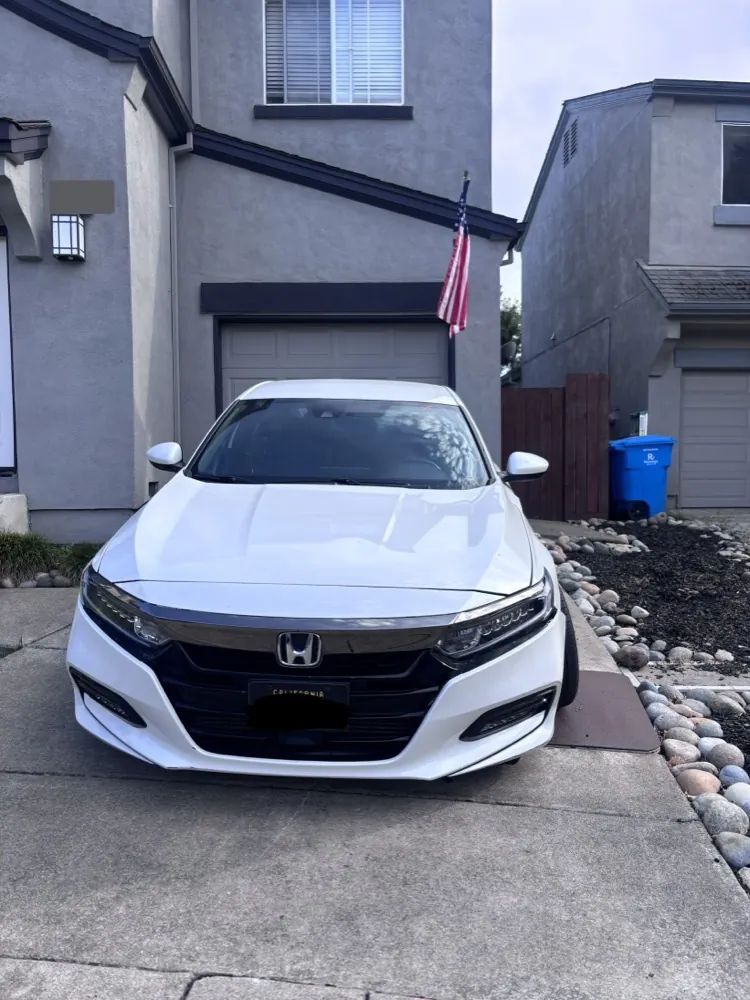
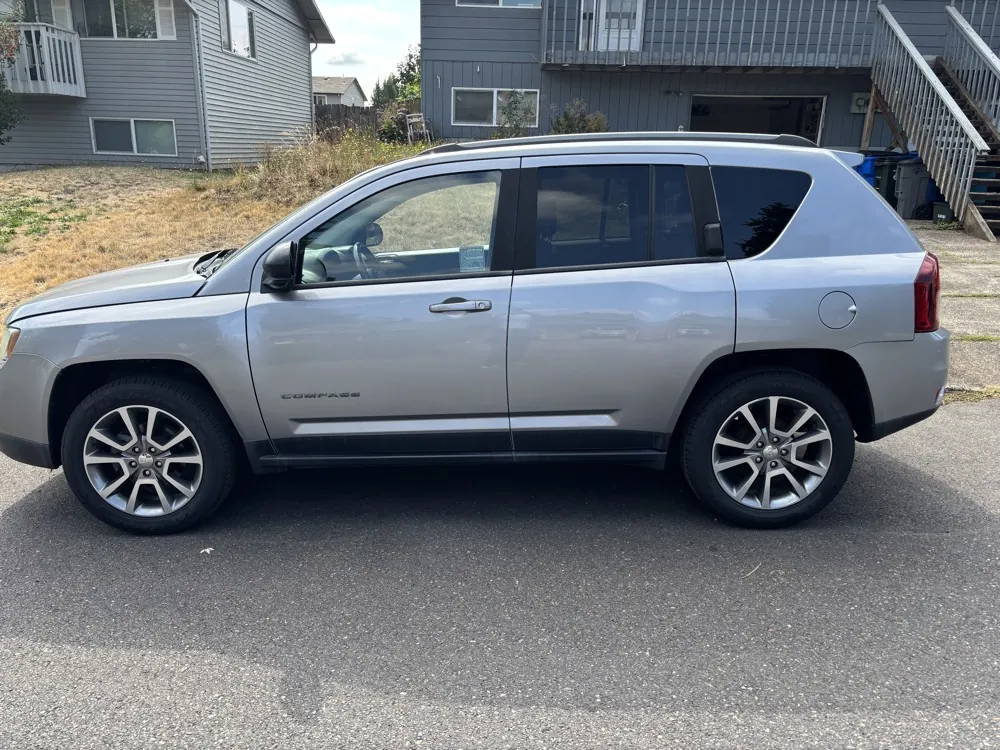
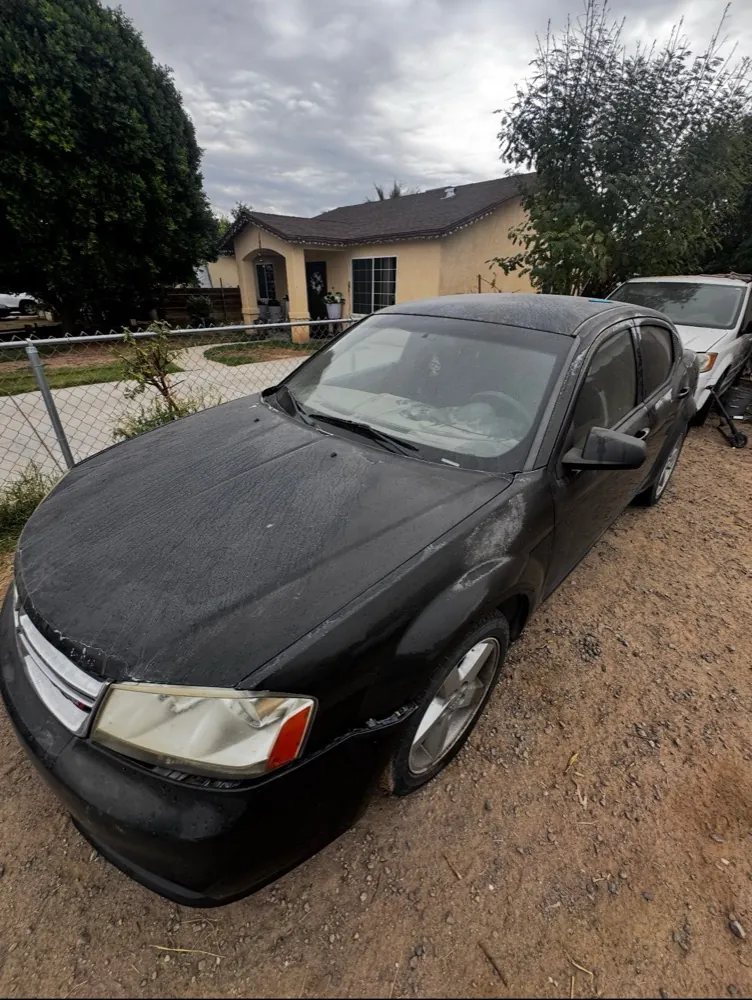
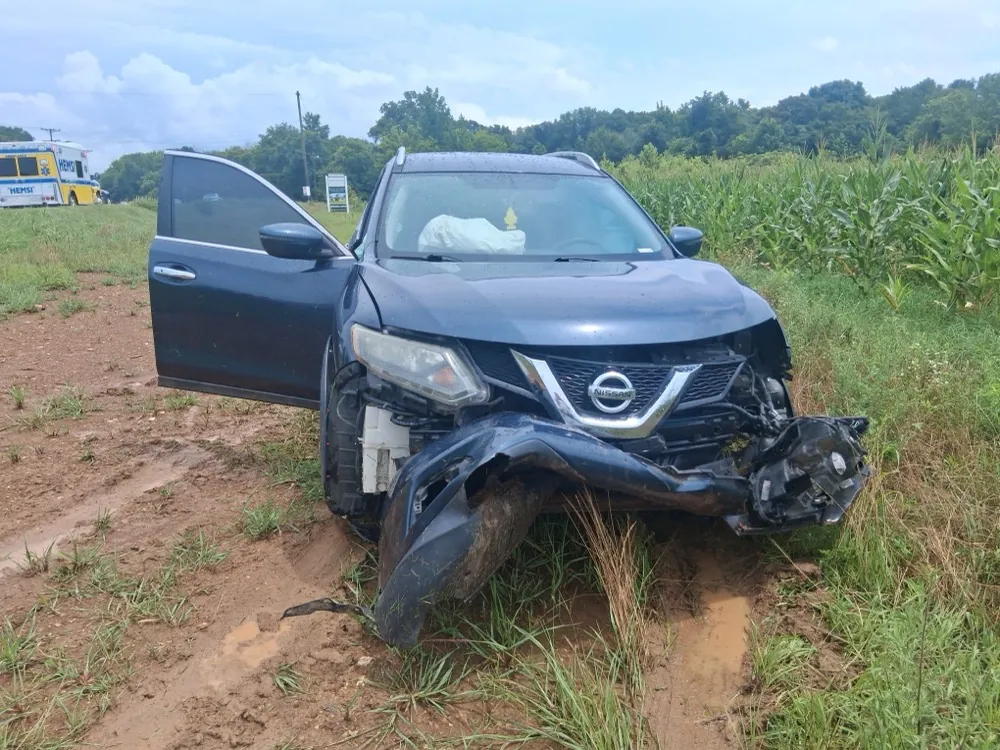
Recently Purchased Vehicles Across Texas
Illustrative examples — not live transaction data.