When a Repair Quote Costs More Than Your Car
Published July 4, 2026 · CashMyCarTX Texas car-selling guide

A Texas driver's guide to the fix-or-sell decision, backed by real repair-cost data
You just got the estimate back, and your stomach dropped. The shop wants $4,200 to fix your car, and you're pretty sure the car itself isn't worth much more than that. Maybe it's hail damage from a spring storm, a fender-bender on I-35, or a transmission that finally gave out on a hot Texas afternoon. Whatever put you here, you're now standing at a decision that feels bigger than it should: pay the money and hope the car holds up, or walk away and get something else. This isn't a math problem you should have to solve alone at 9pm with a repair invoice in your hand — so let's break it down with real numbers instead of guesswork.
How much do repairs actually cost right now?
The honest answer: more than most people expect, and the gap is growing. According to CCC Intelligent Solutions' Crash Course Report, the average cost to repair a vehicle after a collision reached $4,818 in 2025, up from $4,730 in 2024 — a continued year-over-year climb. CCC's data also shows that total loss frequency (the percentage of claims where insurers decide it's cheaper to write a check than to fix the car) hit a record 23.1% of all claims in 2025. That means nearly 1 in 4 damaged vehicles nationally is now being declared uneconomical to repair — and that share has been rising every year.
Why the jump? A few real factors are driving it, not just inflation:
- ADAS calibrations. Modern bumpers, windshields, and mirrors often house cameras and sensors for lane-assist and automatic braking. CCC found that 28.3% of repairable estimates in Q4 2025 included at least one sensor calibration, and each calibration typically adds $350 to $500 on top of the physical repair.
- Rising parts and labor costs. Parts prices and technician labor rates have both climbed, and repair complexity keeps increasing as vehicles add more electronics.
- An aging vehicle fleet. The average U.S. vehicle is now 12.8 years old, per CCC's report. A $4,818 average repair bill can easily exceed what a 10-to-12-year-old sedan is worth on the open market — which is exactly the math trap so many Texas drivers fall into.
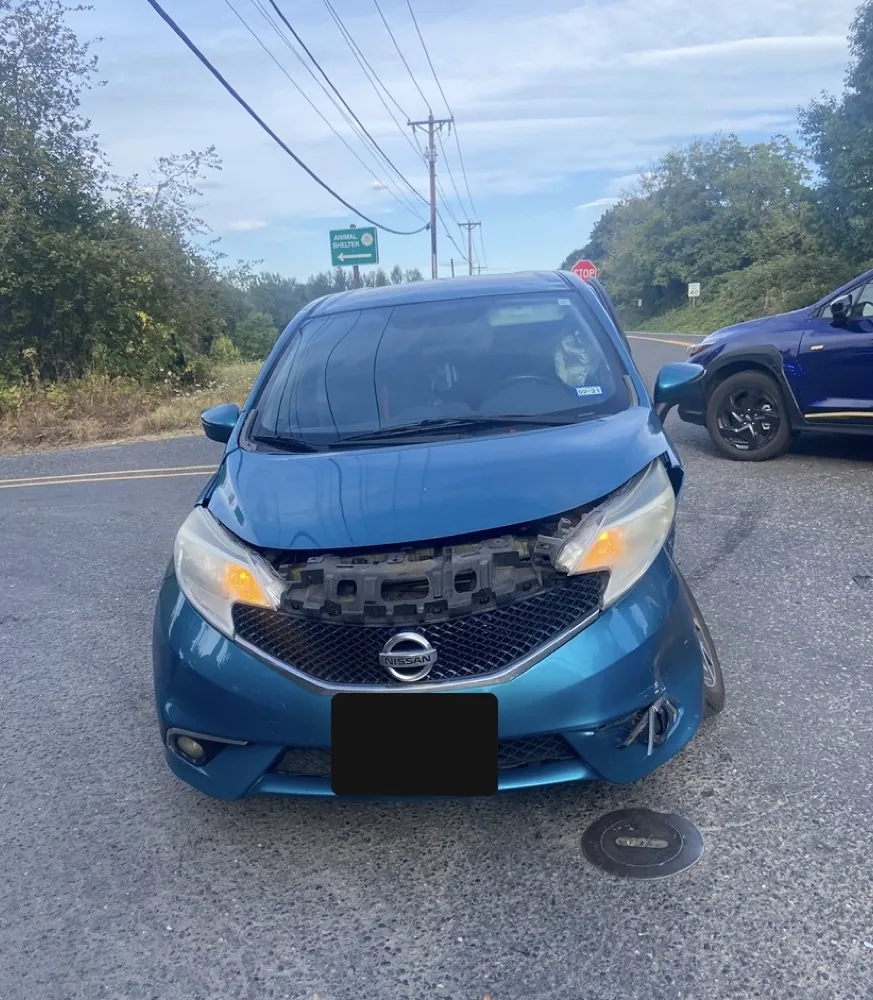
Breaking it down by damage type, based on current collision-repair industry guides: a simple bumper cover scuff runs $150-$600, a bumper with dents or cracks runs $300-$1,200, and a full bumper replacement (especially one with integrated sensors) runs $800-$2,500. Frame damage is where costs escalate fast — once a frame needs straightening or partial replacement, alignment work, suspension repair, and airbag replacement often stack on top, which is precisely the category most likely to push a repair bill past the car's value entirely.
Does it matter what kind of damage you're dealing with?
Yes, and it's worth being specific rather than treating "damage" as one category. Cosmetic damage — a scuffed bumper, a door ding, minor hail pitting — rarely pushes a car past the fix-or-sell line on its own, since even a full bumper replacement tops out around $2,500. The categories that actually create the "repair costs more than the car" situation are mechanical and structural: transmission failures, engine damage, and frame or unibody damage. Transmission replacements alone commonly run well into four figures depending on the vehicle, and once you're replacing a transmission on a car that was only worth $5,000-$7,000 to begin with, you've likely already crossed the point where selling as-is beats repairing.
Texas also sees a damage type that many other states deal with far less: hail. Texas — particularly the Metroplex and the corridor stretching toward Fort Worth — is regularly ranked among the top hail-loss states in the country by insurance industry claims data, and a single spring storm can produce thousands of claims in a single county overnight. Hail damage is deceptive because the car often still drives perfectly fine; the cost is almost entirely cosmetic, spread across dozens or hundreds of small dents. Paintless dent repair can bring per-panel costs down compared to traditional bodywork, but on an older vehicle, even a discounted hail repair bill can exceed what the car would sell for with the dents left alone — which is exactly why so many hail-damaged cars in Texas get sold as-is rather than repaired.
What does "totaled" actually mean in Texas?
Texas uses what's called a total loss formula, and it's actually one of the higher thresholds in the country. Under Texas Transportation Code Chapter 501, a vehicle is a total loss when the cost of repairs plus the salvage value equals or exceeds the vehicle's actual cash value (ACV) before the damage — a 100% threshold, compared to the 60-80% thresholds used in many other states.
Here's the catch, though: insurance companies rarely wait for the statutory 100% mark. In practice, most carriers apply their own internal economic thresholds, typically declaring a car a total loss once repair costs hit 70-80% of ACV, according to legal guides tracking Texas total loss claims. So if your car is worth $6,000 and the shop quotes $4,500, don't be surprised if your insurer calls it a total loss even though it's technically "repairable" — because from a business standpoint, throwing more money at an aging vehicle stops making sense long before the damage reaches 100% of its value.
If you're paying out of pocket rather than filing a claim, you get to set your own threshold. That's the situation where emotion does the most damage to a good decision.
What's a reasonable rule of thumb for fix-vs-sell?
A simple framework that mirrors how insurers already think about it:
- Get the car's real cash value first — not what you paid for it, not what you feel it's worth, but a current fair-market number based on mileage, condition, and what similar cars are actually selling for in Texas right now.
- Get the actual repair quote in writing, itemized by part and labor, not a ballpark verbal estimate.
- Divide repair cost by vehicle value. If that ratio is above 50-60%, you're in territory where most owners come out ahead by not repairing — even before you count the risk that a second problem (a belt, a sensor, a leak) turns up once the shop opens things up.
- Factor in what happens after the repair. A repaired car with a rebuilt title or a history of frame damage sells for less and is harder to insure. You're not just paying for the fix — you're often paying to keep a car that's now worth less than an equivalent undamaged one.
If the ratio clears that 50-60% line, the math is telling you something your gut might be resisting: it's time to stop pouring money into a car and start looking at what it's worth as-is.
Why does emotion make this decision harder than it needs to be?
Because a car isn't just a car. It's the one that got you through a rough year, the one your spouse picked out, the one that's "almost paid off." None of that is irrational — but none of it changes the number on the repair invoice either. The healthiest way to separate the two is to write down the dollar math on paper before you talk yourself into anything, and treat the emotional attachment as a separate, later conversation about what you replace it with — not a factor in whether you fix this one.
This is also where a lot of Texas drivers lose money without realizing it. They sink $2,000-$3,000 into a repair, the car runs another eight months, then a second unrelated issue hits, and they're right back where they started — except now they've spent money they can't recover. If the initial ratio already pointed toward "sell," a second repair almost never changes the underlying math; it just delays the same decision at a worse price.
What if the car still runs, just imperfectly?
This is the scenario where people get stuck the longest. A car with hail dents, a cracked bumper, or a check-engine light doesn't feel "totaled" — it still drives. But drivable and worth-fixing are two different questions. A car that runs but has $3,000 in known issues, sitting in a market where it would only fetch $3,500 clean, isn't really a repair decision anymore. It's a decision about whether you want to keep managing an aging problem or convert it into cash today and move on.
Selling as-is is a legitimate option in Texas for cars with hail damage, mechanical failures, high mileage, or even non-running vehicles. Buyers who work statewide — from Houston to Fort Worth and everywhere between — routinely make offers on exactly these vehicles without requiring repairs first, because the value is priced into the offer rather than hidden behind a shop bill you'd have to pay yourself. For hail-damaged cars specifically, it's also worth understanding why insurers in Texas's hail belt deny or underpay so many of these claims before you decide to repair.
What if you still owe money on the car?
A loan balance complicates the math but doesn't change the underlying logic — it just adds a second number to the comparison. If you owe more than the car's current value (commonly called being "upside down" or "underwater" on the loan), that gap doesn't disappear whether you repair the car or sell it; it only disappears once the loan is paid off. What changes is how you get there. Sinking repair money into a car you're already upside down on means you're now paying twice — once for the loan gap, once for the fix — on a vehicle that may still be worth less than you owe when you're done. Getting a cash offer for the car as-is and applying it directly to the loan balance, then handling the remaining gap on its own, is usually the cleaner path, even if it means a short period of driving something else while you regroup financially.
How do you get a straight answer without spending more money?
You don't need to pay for a diagnostic just to figure out whether a car is worth fixing. Here's a simple process:
- Get the written repair estimate from your shop or insurer.
- Get a real cash offer for the car in its current damaged condition — no repairs, no cleanup.
- Compare the offer plus what you'd spend fixing it, against buying or financing something newer.
- Decide based on the numbers, not the sentiment.
That comparison alone often makes the decision obvious. If a cash offer today is close to what you'd have left after paying for repairs and driving a compromised car for another year or two, selling as-is is usually the better math.
What should Texas drivers do next?
If you're staring down a repair quote that feels too close to your car's value, don't spend another dollar on it until you know both numbers side by side. CashMyCarTX buys vehicles across Texas at whatever stage that math lands on, whether the car's worth fixing or not — hail-damaged, mechanically broken, high-mileage, doesn't matter. We pick up everything from Houston to Fort Worth, both of which sit squarely in hail country where this repair-versus-value math comes up constantly, and the process is the same everywhere: describe the car, get an offer, and decide without pressure.
Call (214) 617-0955 to talk through your specific situation, or get a real cash offer in minutes. There's no cost to find out what your car is worth before you decide whether it's worth fixing.
Ready to get a real number for your car? Get an instant cash offer from CashMyCarTX — free towing anywhere in Texas.
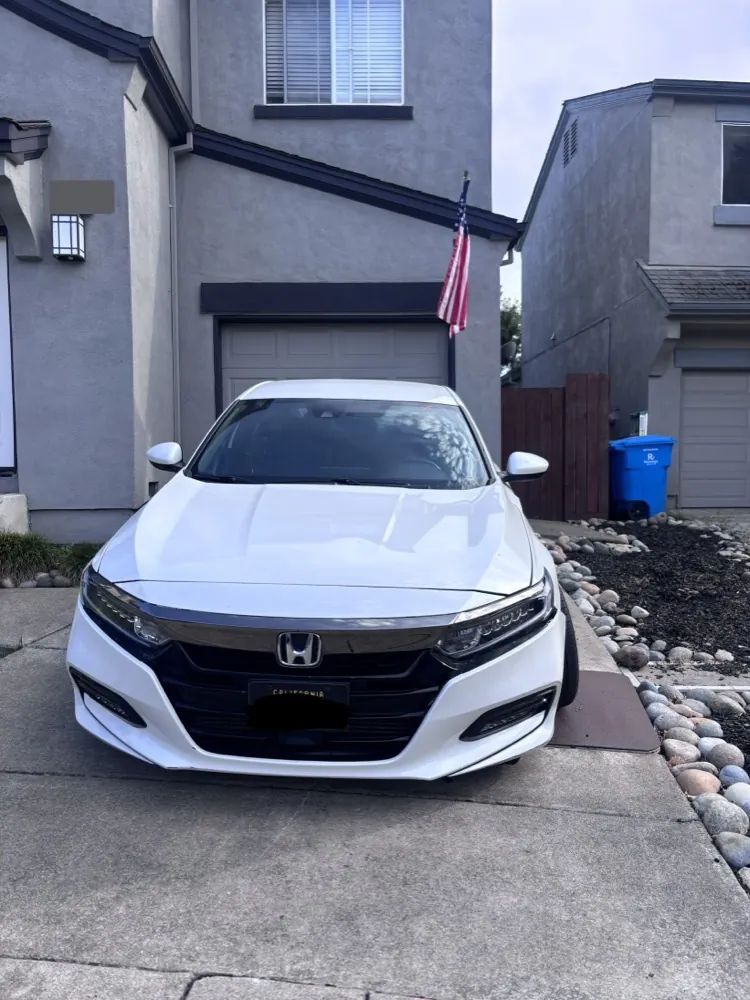
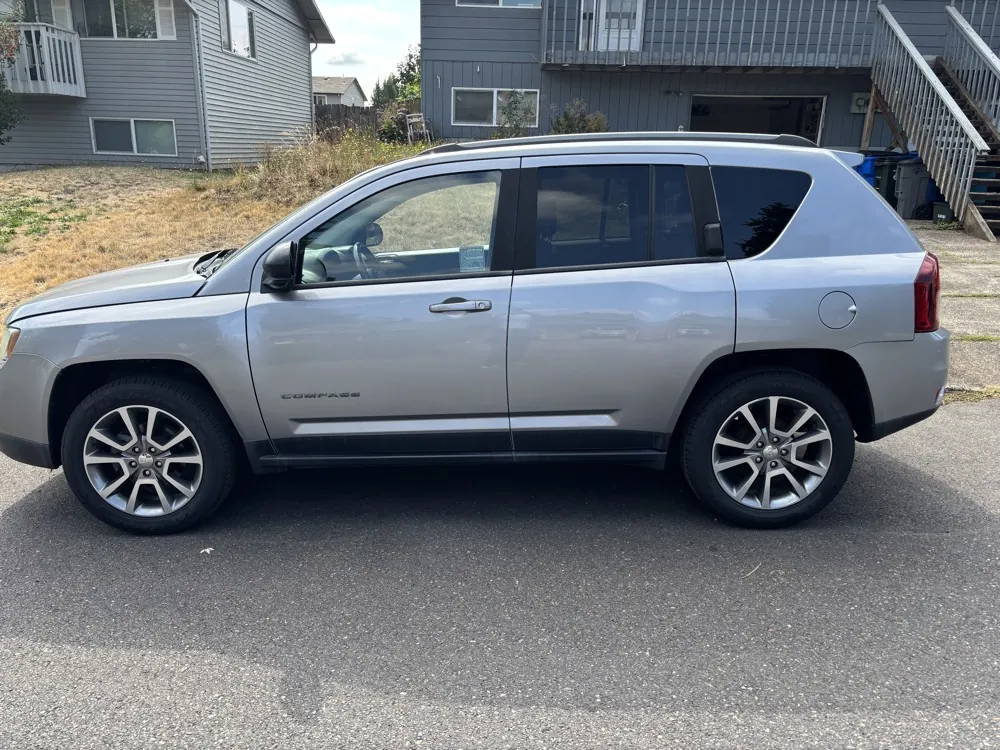
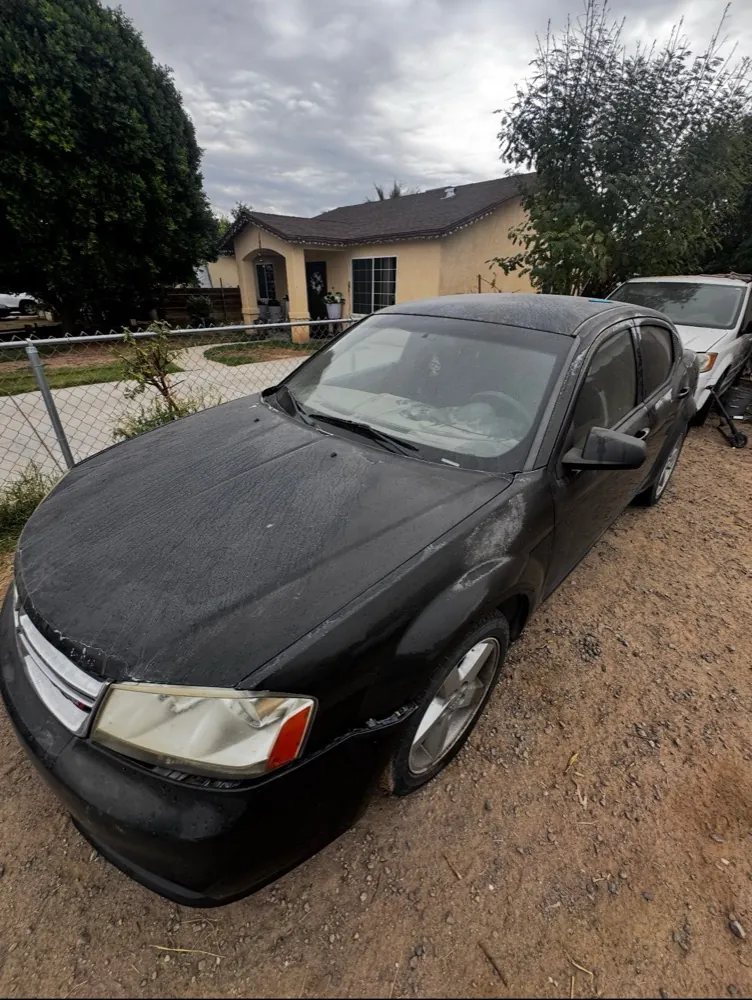
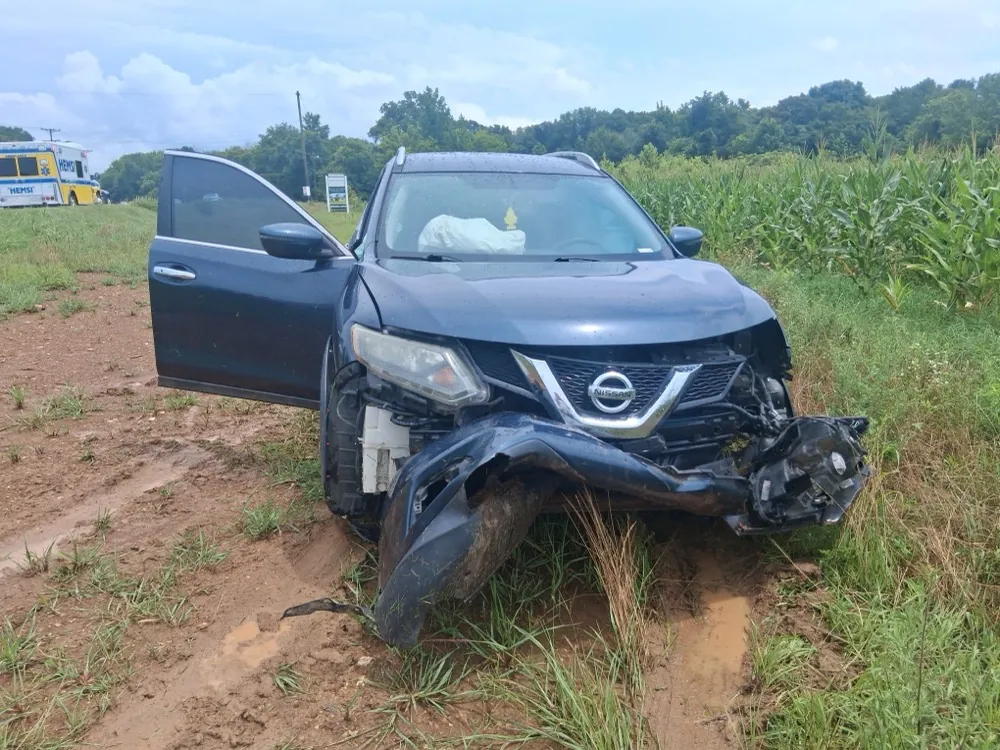
Recently Purchased Vehicles Across Texas
Illustrative examples — not live transaction data.