Selling a Car for an Elderly Parent in Texas: VTR-271, VTR-271-A and the Driving Decision
Updated September 23, 2026 · First published July 4, 2026 · CashMyCarTX Texas car-selling guide

Giving up the car keys is one of the hardest decisions an aging parent makes. Once it's made, the car often sits in the driveway for months: nobody wants to be the one to bring it up, and nobody is sure who is even allowed to sell it. This guide covers both halves, the paperwork and the people.
The short answer: If your parent can sign, the simplest route is for them to sign the title themselves. If they can't come to the transaction, Texas has two power of attorney forms. Form VTR-271, the Limited Power of Attorney for Eligible Motor Vehicle Transactions, lets you act for them on title and registration. Form VTR-271-A, the Power of Attorney for Transfer of Ownership to a Motor Vehicle, is the secure form required when a power of attorney is used to sign over a vehicle that needs a federal odometer disclosure, which generally means model year 2011 or newer. If your parent can no longer understand what they're signing, a power of attorney isn't an option, and you'll need legal help.
When Is It Time to Stop Driving?
There's no age at which Texas takes away a license. The state does build in more check-ins as drivers get older. According to the Texas Department of Public Safety, every driver 79 or older has to renew in person. Drivers 79 to 84 get an 8-year license, and drivers 85 and older get a 2-year license. When someone renews, a DPS license specialist can ask questions and, where there's a concern, require a physician's statement or a driving, written or vision test.
Those renewals often become the moment families start talking. Other signals are more personal: new dents and scrapes, getting lost on familiar routes, close calls, or a doctor raising concerns about vision, medication or reaction time. None of these makes the decision automatic, but a pattern of them is worth a calm conversation.
Having the Conversation With Care
The instinct to just get it done is understandable, especially if the car has been sitting for months. But rushing can undercut the dignity of a decision your parent made about their own independence. A few things help:
- Ask your parent what they'd like to happen with the car, even if they won't be doing the paperwork, rather than deciding for them.
- If siblings are involved, agree on the plan before contacting a buyer, so your parent isn't fielding competing questions.
- Keep the process visible to your parent instead of handling it entirely behind the scenes. It's still their car until the sale is final.
- Separate the emotional timeline from the practical one. The car doesn't have to be sold the week the driving decision is made.
Who Can Sign: Your Parent, or You With a Power of Attorney
If the title is in your parent's name and they can read and sign it, the cleanest path is for them to sign the title over to the buyer. A buyer who handles these sales can often come to the house, so your parent doesn't have to travel.
If your parent can't be there, you can act for them with a power of attorney. Texas uses two different vehicle forms, and the difference matters.
Form VTR-271: Limited Power of Attorney for Eligible Motor Vehicle Transactions
Form VTR-271 is TxDMV's general vehicle power of attorney. Once completed and signed, it gives the person named (the grantee) "full power and authority to perform every act necessary and proper to purchase, transfer, and assign the legal title" to the vehicle on behalf of the owner (the grantor). It also gives the grantee "full power of substitution," meaning they can hand that authority to someone else with a substitute power of attorney.
The form's own instructions set strict rules:
- Every section has to be properly completed, or the form won't be accepted.
- Original signatures only, in black or blue ink, with no alterations. A crossed-out VIN or corrected date can get the form rejected, so fill it out slowly and start a fresh copy if you make a mistake.
- If the power of attorney is used to apply for a title, an initial registration or a certified copy of a title, both your parent and you must include a photocopy of your photo ID.
What VTR-271 can't do: the form says it "cannot be used in a dealer transaction to complete a title assignment on a motor vehicle subject to federal odometer disclosure." That's the job of VTR-271-A.
Form VTR-271-A: Power of Attorney for Transfer of Ownership
Federal law requires the seller of most vehicles to disclose the mileage when ownership changes. TxDMV explains that since January 1, 2021, that requirement lasts 20 years for vehicles from model year 2011 or newer, while vehicles from model year 2010 or older remain exempt. When a power of attorney is used to sign over a vehicle that still needs an odometer disclosure, federal rules require the secure Power of Attorney for Transfer of Ownership to a Motor Vehicle, Form VTR-271-A. TxDMV's own manuals note that a VTR-271 can't be used to complete a VTR-271-A.
In practice: if your parent's car is a 2011 or newer and you'll be signing the title over for them, plan on VTR-271-A, and ask your buyer or your county tax office how to get one before the day of the sale. For an older car, VTR-271 is usually the right form.
What About a General or Durable Power of Attorney?
If your parent already has a durable power of attorney drawn up by an attorney, it may or may not cover vehicle transactions, depending on how it was written. Don't assume. Call your county tax office and ask whether they'll accept it for a title transfer, or have your parent sign a VTR-271 as well while they still can. The vehicle-specific form removes the guesswork.
If Your Parent Can No Longer Sign Anything
A power of attorney has to be signed while your parent can still understand what they're signing. If that point has passed and no power of attorney is in place, a Texas probate court may need to appoint a guardian with authority over their property. That's a separate legal process from a power of attorney sale, so talk to an elder-law or probate attorney before you try to sell the car.
If your parent has passed away, the process is different again: the heirs can usually transfer the car with an Affidavit of Heirship. Our guide to the Texas affidavit of heirship for a motor vehicle (VTR-262) walks through it.
Selling the Car Once the Paperwork Is Ready
With the right signature lined up, whether that's your parent's or yours under a power of attorney, the sale itself is simple: a properly signed title, a completed Form 130-U for the buyer, and, afterward, a vehicle transfer notification so tolls and tickets stop coming to your parent. Our guide to DMV paperwork after selling a car in Texas covers the last step. If there's still a loan on the car, see selling a car with a loan on it in Texas. If the title is lost, see selling a car without a title in Texas.
A car that's been sitting usually has more value than families expect. Dead batteries, flat-spotted tires and old fluids are normal for a parked car, and a buyer who deals with idle cars will price that in rather than use it as a reason to lowball. CashMyCarTX works directly with the adult child handling the sale, as long as the power of attorney paperwork is in place: a real cash offer based on the car's actual condition, help with the paperwork questions, and a pickup that doesn't ask your parent to do anything more than sign what's legally required of them.
Ready to get a real number for the car? Get an instant cash offer from CashMyCarTX, with free towing anywhere in Texas.
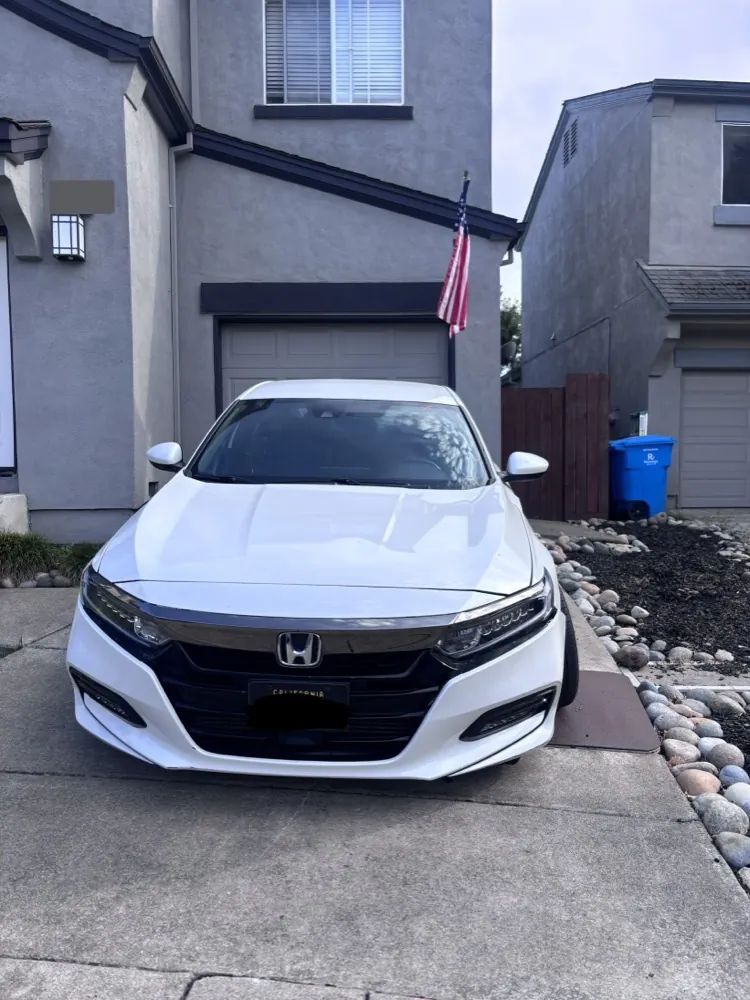
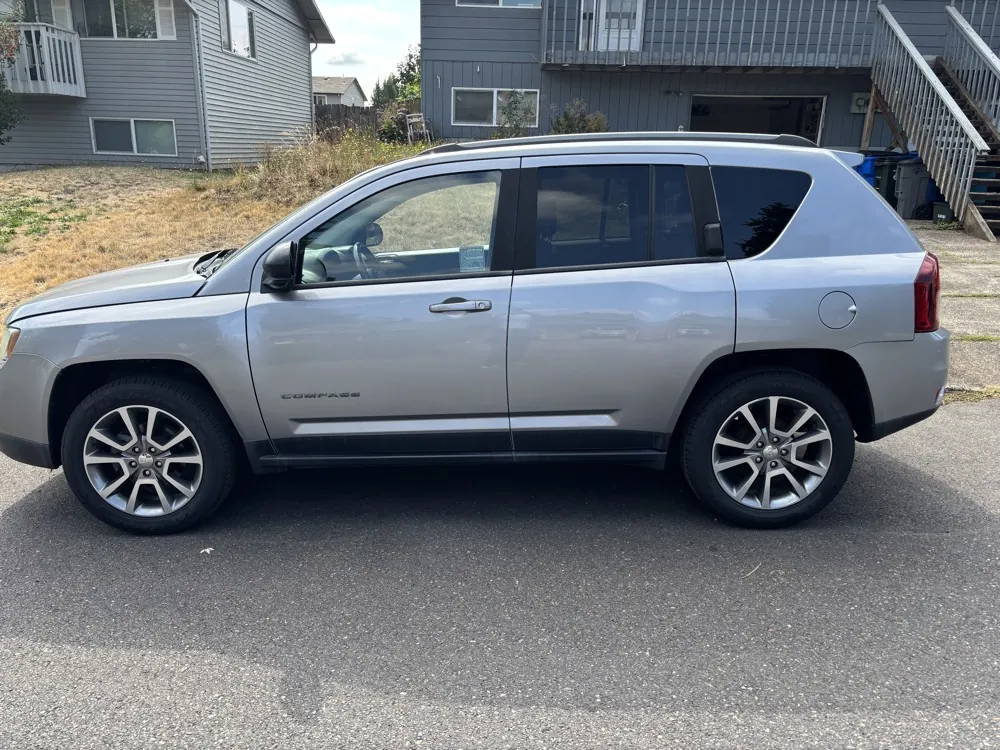
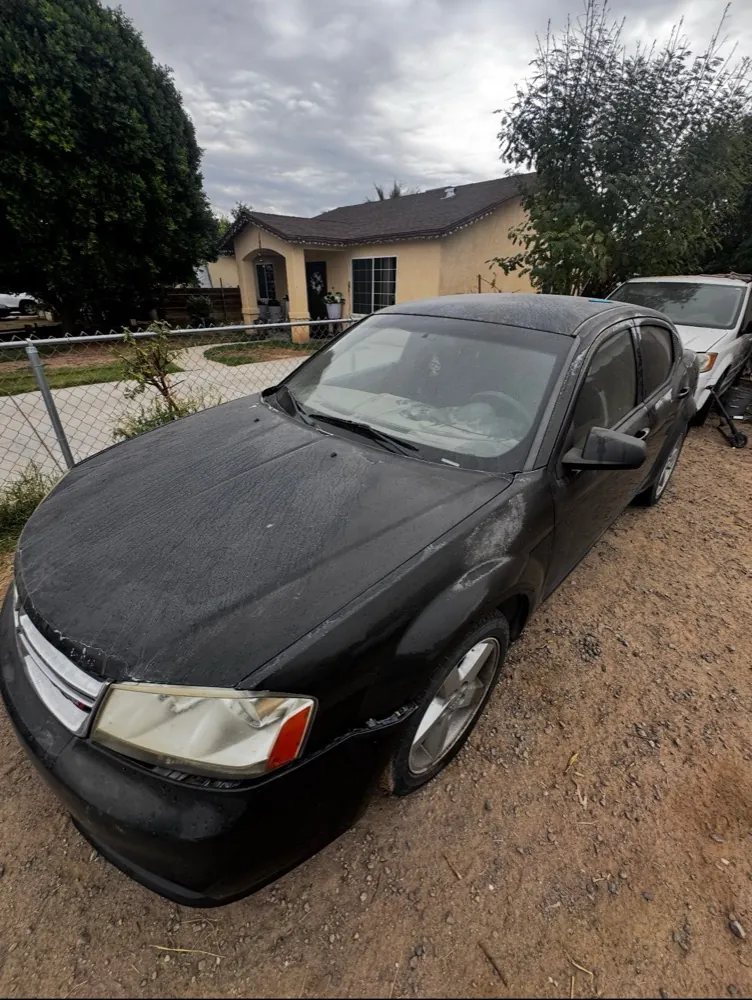
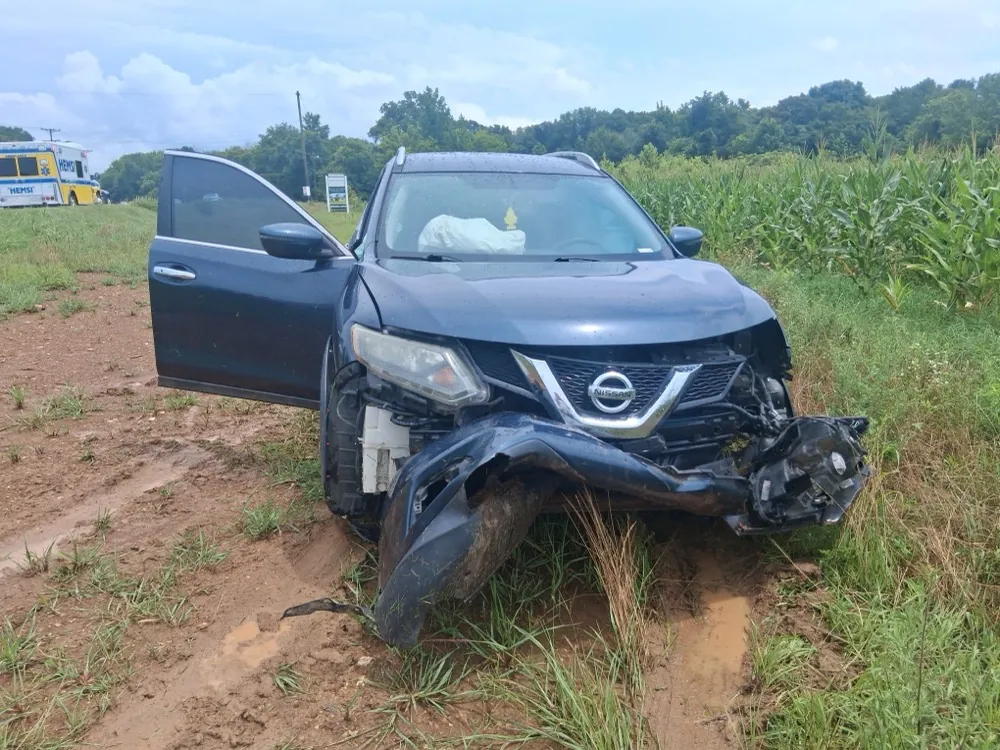
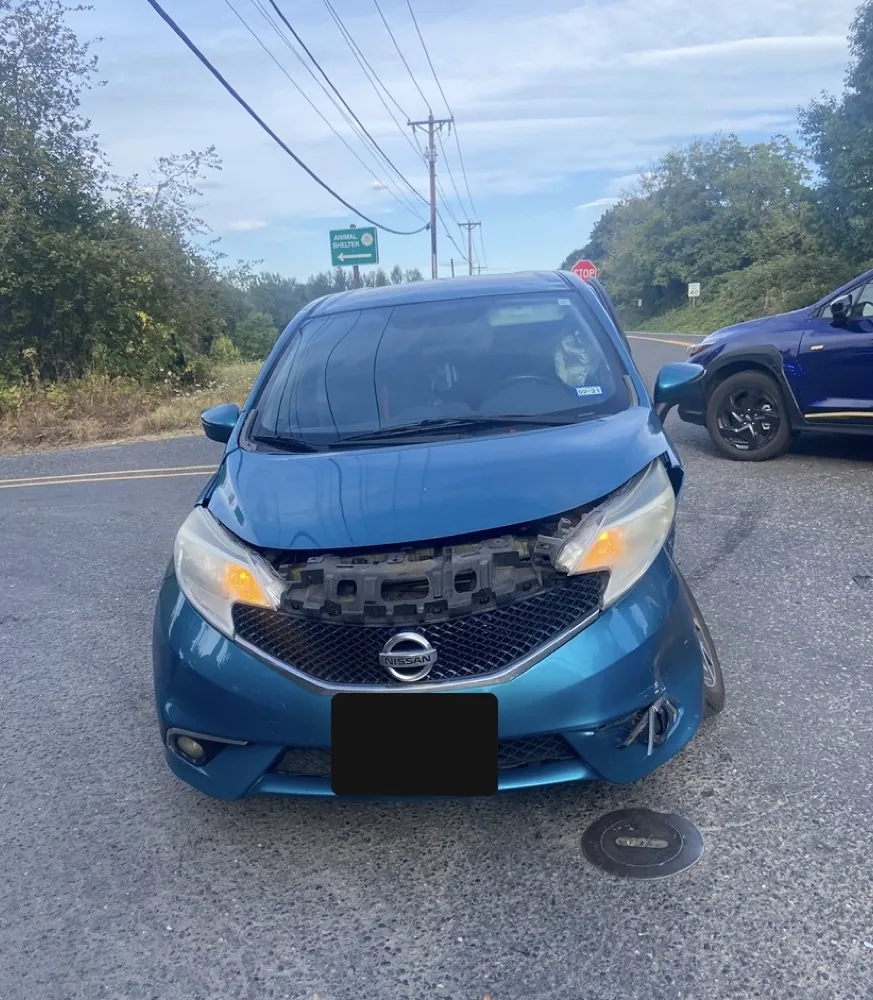
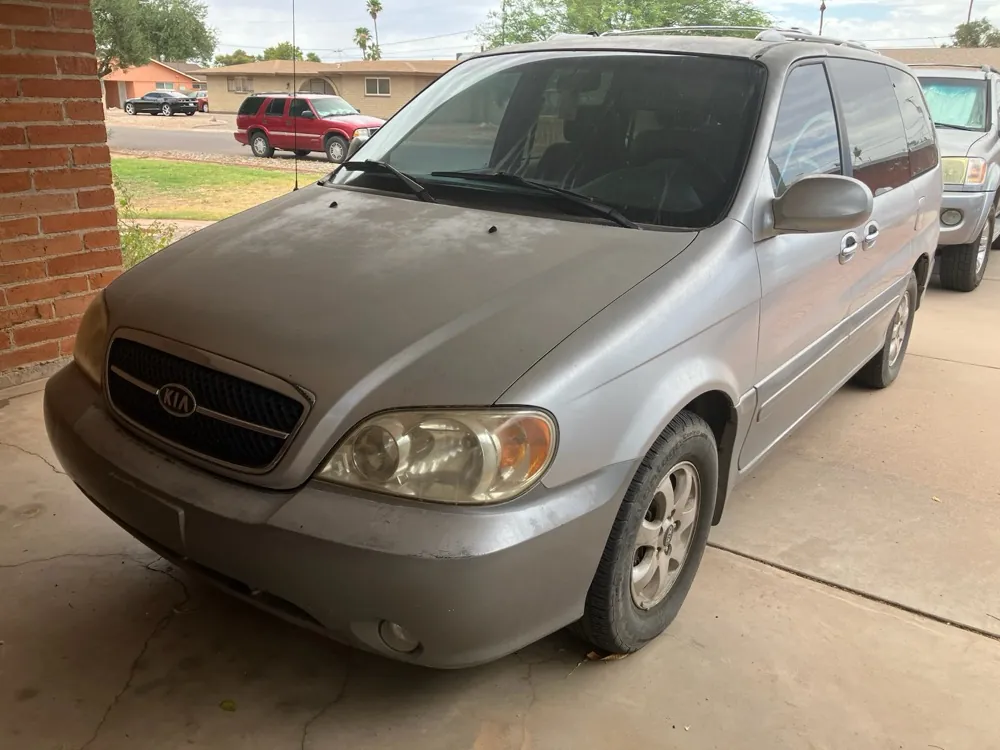
Recently Purchased Vehicles Across Texas
Illustrative examples — not live transaction data.