Selling a Flood-Damaged Car in Houston, TX
Flooded car in Houston? Learn how Texas brands flood titles, how to check VIN history free, and how to sell for real cash fast.
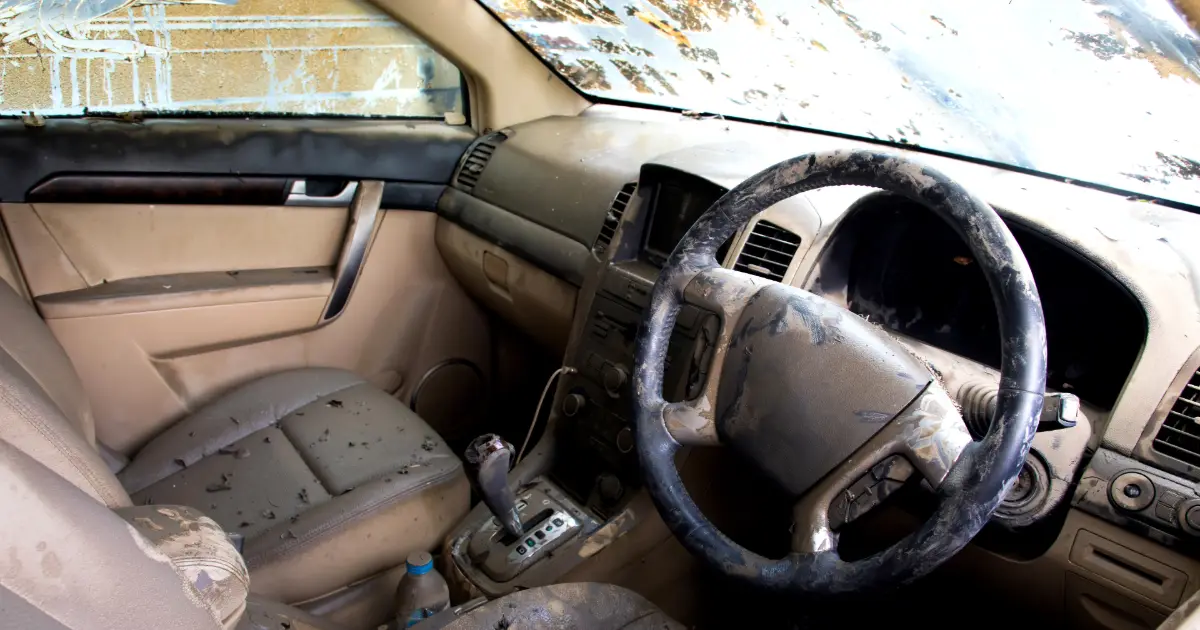
Houston, TX — The water recedes, the adjuster comes and goes, and you're left standing in a driveway looking at a car that ran fine yesterday and won't start today. Or maybe it starts, but it smells like a swamp inside and the check-engine light won't turn off. Either way, you're now facing a question most Houston drivers eventually face at least once: what do you actually do with a car that's been sitting in floodwater.
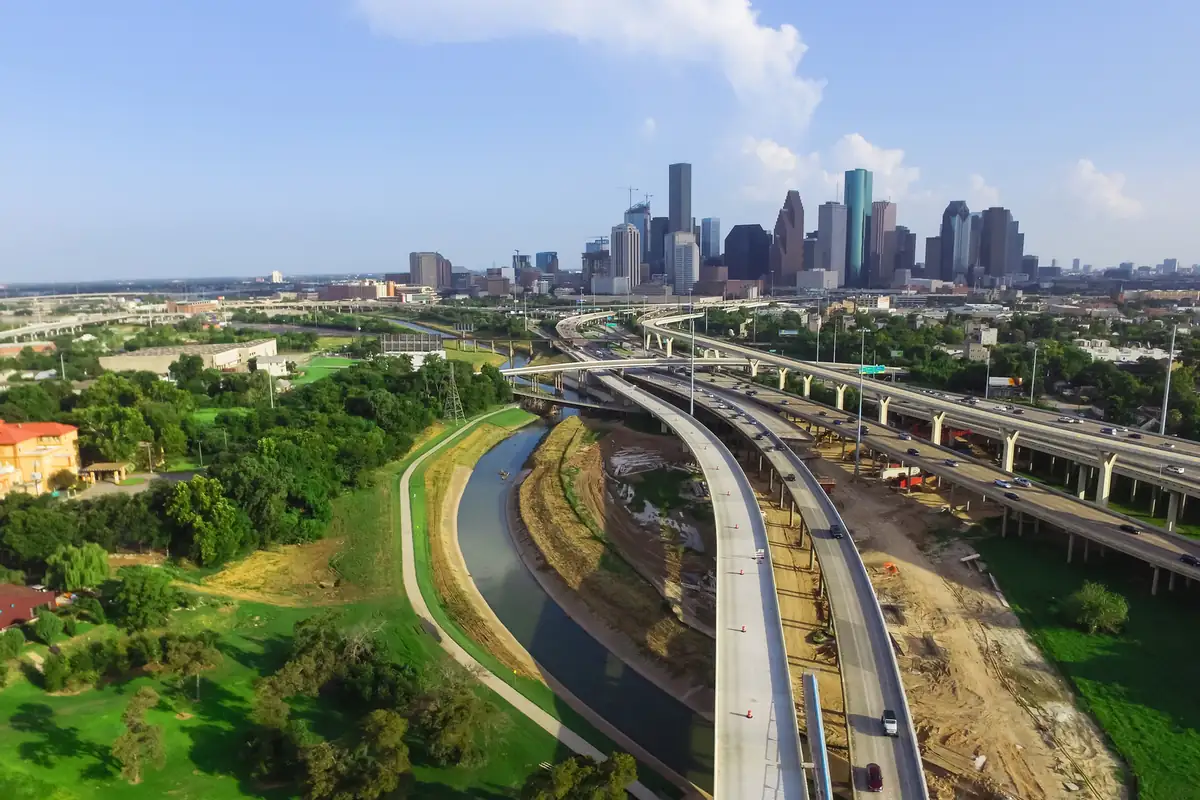
You're not imagining that this happens constantly here. Harris County Flood Control District's own accounting of Hurricane Harvey in 2017 put the number of flooded vehicles across the county at more than 300,000 — cars parked at homes, in apartment garages, and on dealer lots, all submerged in the same week. The National Weather Service office in Houston/Galveston and Harris County Flood Control District both describe a place that floods on a rhythm, not as a fluke: the county's flood history record lists 1994's October flood (22,000+ homes flooded, roughly $900 million in damage), Tropical Storm Allison in 2001 (which flooded the Texas Medical Center and downtown), the April 2016 Tax Day Flood, Harvey in 2017, and Tropical Storm Imelda in 2019 as the standout events in just the last three decades. NOAA's National Centers for Environmental Information recorded 96 separate days with flooding or flash flooding in Harris County between 1996 and 2015 alone — an average of four to five flood days a year. If you own a car here long enough, odds are it will meet water at some point. The question is what happens next, and whether you handle it the right way or the way that costs you money and legal exposure later.
On this page · 8 sections
- How does Texas actually brand a flood-damaged title?
- How can I check if a car has flood damage before I buy or sell it?
- Why does flood damage show up months after the water is gone?
- What are my realistic options for a flooded car?
- Does it matter whether my insurer already totaled the car?
- What if the car won't start at all?
- What should I do right now if my car just flooded?
- Frequently Asked Questions
How does Texas actually brand a flood-damaged title?
Texas doesn't have a special "flood title" separate from its normal salvage system — flood damage is a notation added on top of a salvage or nonrepairable title. According to TxDMV's own guidance on salvage brands, when damage to a vehicle meets or exceeds the threshold defined for salvage or nonrepairable status (damage that exceeds the vehicle's value in the national reference guide TxDMV uses), the owner is required to apply for a salvage or nonrepairable title before any future transfer. If that damage was caused by flooding, TxDMV adds a "Flood Damage" brand to that salvage or nonrepairable title. That brand is permanent — once a VIN carries it, it follows the car through every subsequent sale, no matter how many times the title changes hands or which state it ends up registered in.
TxDMV has also been explicit, in bulletins issued after major storms, that this isn't optional paperwork for people with big claims only. If you carry comprehensive coverage, your insurer typically handles the title branding process as part of settling your claim. But if you have liability-only coverage, or no coverage at all, the legal duty to determine whether your car meets salvage/nonrepairable thresholds and to brand the title falls on you. Until that salvage or nonrepairable title is issued, Texas law prohibits you from selling, transferring, or driving the vehicle on a public road. The application itself is simple — your current title, a one-page form, and an $8 fee, per TxDMV's published fee schedule — but skipping it doesn't make the obligation disappear. It just means you're sitting on a car you legally can't move.
How can I check if a car has flood damage before I buy or sell it?
The fastest, no-cost check is the National Insurance Crime Bureau's VINCheck tool. Enter the VIN and it searches records submitted by participating NICB-member insurers for three things: total-loss/salvage designations, flood damage reports, and unrecovered stolen-vehicle reports. NICB allows up to five VIN searches per IP address in a 24-hour period, and the tool was originally built in response to the flood of vehicles that hit used-car markets after Hurricane Katrina — it's specifically designed to catch cars like the ones sitting in Houston driveways right now before they quietly resurface on a lot two states away.
That said, NICB is upfront that VINCheck is not a comprehensive vehicle history report. It only reflects data submitted by participating insurers, so a car flooded without an insurance claim, or one whose paperwork hasn't been processed yet, may not show up. The Texas Attorney General's consumer protection division has issued its own warnings about flood-damaged cars re-entering commerce with cleaned-up interiors and no disclosure, particularly in the months after a major storm — corrosion in the wiring harness, mold behind the dash, and rusted components can take months to surface as failures, long after a quick detail job hides the smell. If you're buying, treat VINCheck as a first pass, not a final answer, and pair it with a mechanic's inspection focused on the areas water damage hides: under carpet padding, inside the spare tire well, and around electrical connectors.
If you're the owner of a flooded car, this same information matters just as much. Once your car carries a flood brand, or once you know it should, you're not going to sell it the way you'd sell a clean-title car through a private listing — buyers who do their own VINCheck search will see the same history you're now aware of, and undisclosed flood damage sold to a private buyer can expose you to a fraud claim later.
Why does flood damage show up months after the water is gone?
This is the part that catches even careful owners off guard. Floodwater doesn't just wet the carpet and dry out — it gets into places that don't drain and don't dry on their own schedule. Water that reached the floorboards can sit inside the wiring harness, behind the dashboard, and inside the seat foam for weeks, and Texas humidity doesn't help the drying process along. Corrosion on electrical connectors is often gradual: a sensor reads intermittently wrong for a while before it fails outright, a power window motor works fine for two months and then seizes, or a control module that seemed to survive the flood develops a fault code out of nowhere once corrosion finally bridges a connection it shouldn't. Mold is the more immediate problem — it can establish itself in seat padding and carpet backing within a few days of prolonged wet conditions, which is part of why the TxDMV and insurers move as quickly as they do to get a salvage or nonrepairable determination made rather than letting owners "wait and see" how the car does.
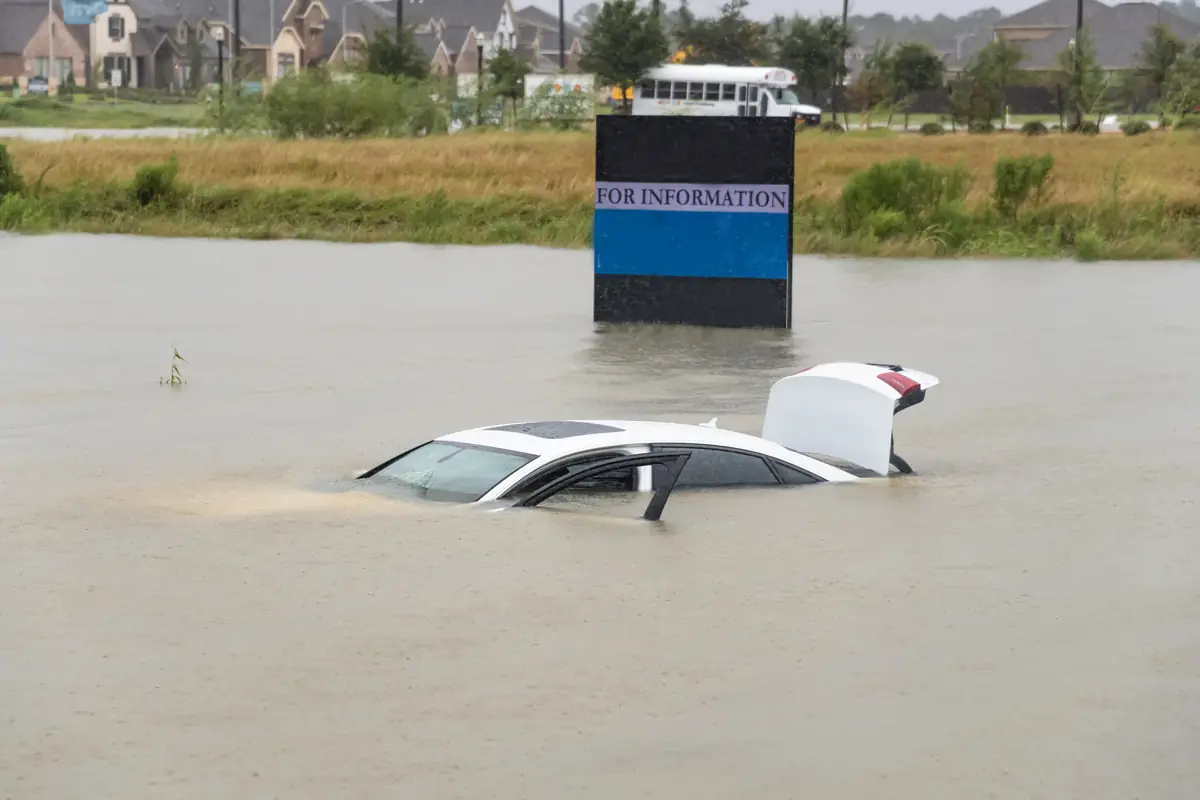
This lag between the flood event and the failures showing up is exactly why buyers should never treat a car that "started right up" after a flood as automatically fine, and why owners shouldn't assume a car that seems okay today will still seem okay in three months. It's also why title branding exists in the first place — it puts a permanent, visible flag on the vehicle's history so that the next owner (and the one after that) knows to expect exactly this kind of delayed failure pattern, rather than discovering it the hard way.
What are my realistic options for a flooded car?
Once a vehicle is flood-damaged, you generally have three paths:
- File the salvage/nonrepairable title application yourself if your insurer isn't handling it, using the TxDMV process and $8 fee, then decide whether to repair, part out, or sell as-is.
- List it privately with full flood disclosure, understanding that your buyer pool shrinks to people specifically looking for salvage-title project cars, usually at a steep discount.
- Sell directly to a buyer who purchases flood and salvage-title vehicles as routine business, skipping the repair-or-repost cycle entirely.
For most Houston owners, the third option ends up being the practical one. Repairing flood damage well enough to trust the car again is expensive and uncertain — electrical gremlins from water-damaged wiring can show up months later, and a mechanic can't fully certify a flooded vehicle is safe. Selling privately to an individual buyer means explaining a flood brand, answering questions about corrosion, and often negotiating down from a number you'd already discounted. A buyer who specializes in salvage and storm-damaged vehicles already prices for the branding and the unknowns, so there's no back-and-forth trying to convince someone the smell isn't as bad as they think.
That's the gap CashMyCarTX fills. We buy flood-damaged, salvage-titled, and storm-affected vehicles across the Houston area and the rest of Texas, and we don't need the car to run, look presentable, or have a clean title to make an offer. You tell us the truth about the flood — how deep the water got, whether the engine ran after, what the insurer said if you filed a claim — and we give you a real number based on that, not a lowball opener designed to get renegotiated once we see the car in person.
Does it matter whether my insurer already totaled the car?
It changes the paperwork, not necessarily your options. If your insurer paid a total-loss claim on a comprehensive policy, they typically take possession of the title process themselves, and the flood brand becomes the insurer's and eventual salvage buyer's problem, not yours. But plenty of Houston owners fall into a middle case: liability-only coverage that won't pay a flood claim, a claim denied for a flood exclusion, or a deductible too high to bother filing. In those situations, you're the one who owns the branding obligation and the decision about what happens to the car next. There's also the in-between case of a car that flooded but wasn't obviously totaled — even then, a documented flood history is something any buyer, including us, needs to know and will factor into an honest offer.
What if the car won't start at all?
A flooded vehicle that won't turn over is still worth money — often more than owners assume, because a buyer who purchases regardless of condition is pricing the car for parts, scrap value, and any subsystems that survived the water, not for whether the engine runs today. You don't need to attempt a repair before selling, and starting a hydro-locked engine can cause additional damage. Get the offer first, based on an honest description of the flood, and let the buyer factor in the non-running status.
What should I do right now if my car just flooded?
- Don't start the engine again if water reached the dashboard or higher — running a flooded engine can force water into cylinders and cause catastrophic internal damage beyond what already occurred.
- Photograph the waterline inside and outside the vehicle and note the date/time, useful for insurance and for any buyer who wants documentation.
- Run a free NICB VINCheck on your own VIN so you know exactly what's already on record before you talk to anyone else about the car.
- Get a cash offer before you sink money into repairs — a professional buyer can tell you in minutes whether repair is worth attempting or whether selling as-is nets you more than the repair bill would.
If you're anywhere in the greater Houston area, dealing with a flooded car doesn't have to mean months of uncertainty. This is especially common in Houston, where Harris County's flood history means a lot of these cars are still on the road years later, so head straight to get a real cash offer with your VIN and flood details in hand. If you'd rather talk it through first, call us directly at (214) 617-0955 — we've heard every version of the flood story Houston has to tell, and we're not going to make you feel worse about a storm you didn't cause.
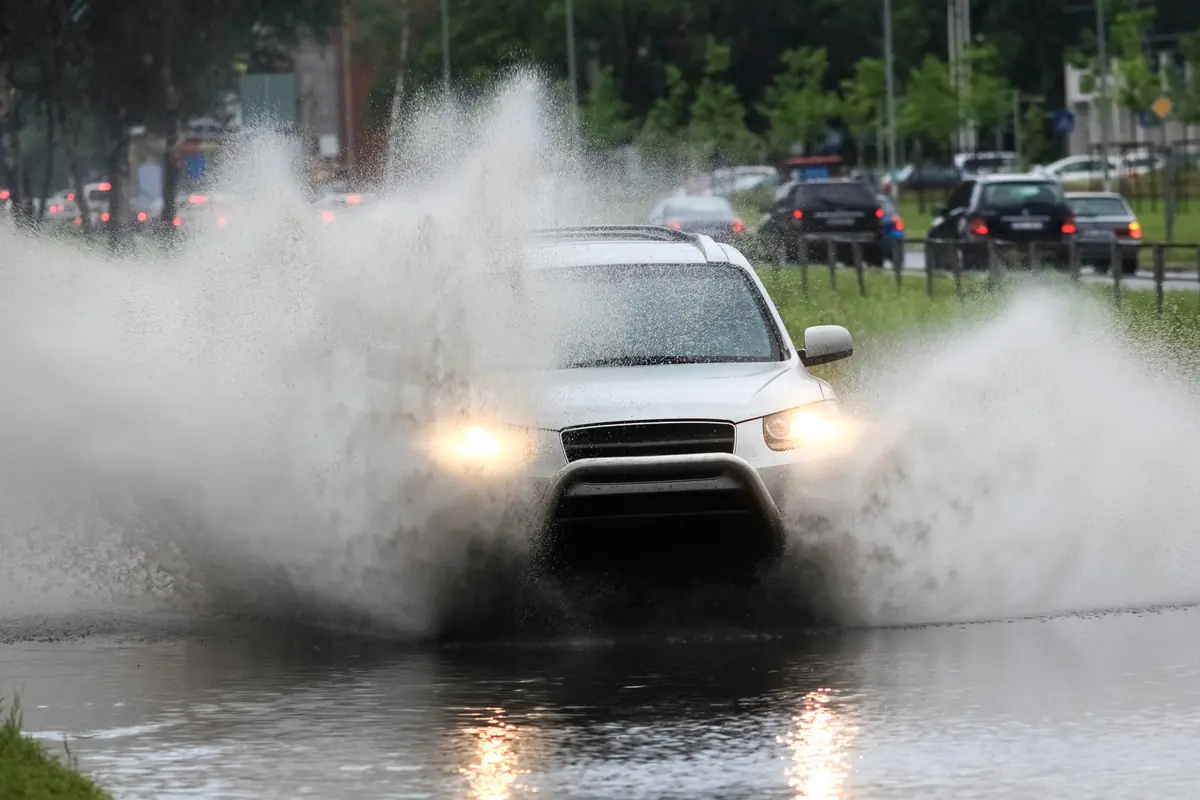
Houston isn't the only place dealing with this — the same flood-title rules applied statewide after the 2025 Hill Country floods and other storm events. A flood-branded title isn't the end of a car's value — it's just the point where you need a buyer who already understands what you're dealing with.
Ready to get a real number for your car? Get an instant cash offer from CashMyCarTX — free towing anywhere in Texas.