Environmental Rules for Disposing of a Junk Car in Texas
Published July 4, 2026 · CashMyCarTX Texas car-selling guide

Austin, TX — There's a car sitting in the driveway, the yard, or a back corner of the property that hasn't run in years. Maybe it's been dripping something dark onto the concrete for months. Maybe the battery corroded and cracked open a while back and nobody's touched it since. It feels like a problem you can put off — until you start wondering what's actually leaching into the ground underneath it, and whether that's your problem to answer for later.
It is, and the rules around it are more specific than most people realize. Texas regulates used motor oil, antifreeze, and lead-acid batteries as distinct categories of waste, each with its own disposal requirements, and a junk car sitting unattended for years is often quietly violating more than one of them at once.
What does Texas actually require for used oil and antifreeze disposal?
Used motor oil cannot legally go into a landfill or be dumped on the ground in Texas. The Texas Commission on Environmental Quality's guidance on used oil recycling (TCEQ publication RG-325) is built around the fact that used oil is recyclable and is supposed to be handled that way — taken to a used oil collection center rather than discarded. TCEQ's household hazardous waste guidance is specific that used oil should never be mixed with other liquids like antifreeze, brake cleaner, gasoline, or solvents, because doing so can make an otherwise recyclable batch of oil unfit for recycling and effectively turn it into a larger hazardous waste problem.
Antifreeze occupies a slightly different category — TCEQ notes it is generally treated as nonhazardous, but it's still not something you're meant to pour on the ground or into a storm drain, and many of the same household hazardous waste and used-oil collection programs that take oil also accept antifreeze for recycling. TCEQ also references "BOPA" collection events — programs that collect Batteries, Oil, Paint, and Antifreeze together specifically for reuse, recycling, or reclamation, which get a regulatory exclusion from the more burdensome hazardous-waste handling rules precisely because they're structured to route these materials to proper recycling rather than disposal.
A junk car that's been sitting for a long time is a slow-motion version of exactly the mixing problem TCEQ warns about — a cracked oil pan or a rotted radiator hose doesn't dump everything at once, it seeps a little at a time, often mixing with rainwater and whatever else collects underneath the vehicle, straight into the soil.
What's the law on lead-acid batteries specifically?
This is the one part of Texas's junk-vehicle environmental rules with an explicit, direct statute behind it. Texas Health and Safety Code Section 361.452 makes it illegal to put a lead-acid battery — a car or truck battery — into regular household trash or mixed municipal solid waste. The same section requires any retailer who sells lead-acid batteries to accept, from any customer who offers one, at least one and up to three old batteries for recycling, and to post an 8.5-by-11-inch notice at the point of sale stating plainly that it's illegal to discard or improperly dispose of a motor vehicle battery and that state law requires the retailer to take used batteries back. The Texas Administrative Code (Title 30, Chapter 328, Subchapter C) builds out the regulatory detail behind that retail take-back requirement.
In practice, this means a battery sitting in a junk car — especially one that's already cracked, swollen, or leaking — isn't a gray area. It's specifically the category of waste Texas law goes out of its way to keep out of landfills and off the ground, because lead and battery acid are exactly the kind of contaminants soil and groundwater rules are designed to prevent. A battery that's been quietly corroding under a hood for two or three years has had that entire time to leach into whatever it's sitting on.
Where am I actually supposed to take these materials?
For used oil and antifreeze, TCEQ's household hazardous waste program page is the starting point for finding a local collection option — many Texas cities and counties run their own household hazardous waste collection facilities or periodic collection events, and TCEQ's guidance points residents toward those local programs rather than a single statewide drop-off. Auto parts retailers are frequently a simpler option in practice: many accept used oil for recycling even outside of a formal HHW program, since oil recycling infrastructure is already built into the industry's supply chain.
For lead-acid batteries, the retailer take-back requirement in Health and Safety Code Section 361.452 makes this the simplest one to solve — any retailer that sells car batteries is legally required to take your old one back for recycling when you bring in one to three batteries, whether or not you're buying a replacement at that same visit. That requirement exists specifically so there's never a legitimate excuse for a battery ending up in the trash or left to corrode somewhere.
The harder case is a junk car where several of these materials are still inside the vehicle and nobody has gotten around to draining or removing any of them. That's the scenario where handling it piece by piece — pulling the battery, draining the oil, catching the antifreeze — becomes its own project, and it's exactly the situation where having the whole vehicle removed by someone equipped to handle all three categories at once saves the most effort.
Does it matter if the car has been sitting for years versus a few months?
It matters for how much has already soaked into the ground, not for whether the underlying rules apply. A car that started leaking last month and one that's been leaking for five years are both subject to the same disposal rules and the same landowner liability framework — the difference is just the size of the problem sitting under it. A shorter leak period generally means less soil impact and a simpler cleanup if one is ever needed; a multi-year leak has had that much more time for oil, antifreeze, and battery acid to work into the soil, and potentially deeper than a surface-level cleanup would address. This is part of why acting sooner rather than later matters even if the car doesn't look like an emergency — every additional month it sits is another month of the same slow accumulation.
Is leaving a junk car to leak on my property actually a legal risk, or just an eyesore?
It's a real legal exposure, not just a cosmetic problem. Texas's broader illegal dumping statute, Health and Safety Code Section 365.012, sets criminal penalties for disposing of waste — including fluids — outside of an approved disposal site, with penalties scaling from a Class C misdemeanor for small amounts up to a state jail felony for large volumes. A slow leak from a single vehicle is unlikely to trigger the highest tiers of that statute on its own, but the broader liability doesn't stop at criminal penalties for active dumping. Property owners can face responsibility under the Texas Solid Waste Disposal Act (Health and Safety Code Section 361.271) for contamination discovered on land they own — and that liability framework has been described as strict and applying broadly to responsible parties connected to the property, which is a real consideration if you're a landowner, landlord, or someone who inherited a property with a junk car already sitting on it. If you ever sell that property, a phase-one environmental assessment (standard in many commercial transactions, and increasingly common in residential ones) can flag soil staining from an old vehicle and turn a routine closing into a remediation negotiation.
None of this requires a dramatic spill to become relevant. It's the years-long, slow accumulation — oil, antifreeze, and battery acid seeping into the same six square feet of dirt under a car that hasn't moved since a prior presidential term — that creates the exposure, precisely because nobody treats it as urgent while it's happening. Leaking fluids are also one of the fastest ways a junk car turns into a code enforcement complaint, so it's worth knowing how cities handle those violations too.
How does professional pickup avoid all of this?
This is the actual advantage of having a junk vehicle removed by a buyer set up to handle it correctly, rather than leaving it in place indefinitely or trying to drain and dispose of the fluids yourself piecemeal:
- The vehicle and its fluids leave the property entirely, which stops any further seepage into the same spot the moment the car is picked up.
- A buyer working at volume already has relationships with oil recyclers, antifreeze recycling programs, and battery take-back channels, so the materials go where TCEQ and Health and Safety Code rules intend them to go, instead of you having to identify a household hazardous waste collection site yourself.
- You're not the one draining a cracked oil pan or handling a corroded battery, which is both a safety issue (battery acid, in particular, is caustic) and a liability issue if it's not done correctly.
- The paperwork trail of a legitimate sale gives you a clean break from the vehicle, rather than an ambiguous situation where a car "disappeared" from your property with no record of who took it or where it went.
Trying to handle disposal piecemeal yourself — hauling a battery to a retailer, finding a used-oil collection center, arranging separate antifreeze drop-off — is technically possible but time-consuming, and it still leaves you responsible for whatever's already soaked into the ground while the car sat there. Selling the car as a whole unit to a buyer equipped to manage all of it at once is usually both faster and lower-risk.
Getting the car off your property, the right way
CashMyCarTX picks up junk and non-running vehicles across Texas, fluids and battery included, so owners don't have to handle disposal themselves before selling. That covers sellers in Austin and El Paso just as much as anywhere else in the state, since the same TCEQ rules apply regardless of city. We're not asking you to drain anything or make a special trip to a recycling center first; we handle the vehicle as a whole, including what's inside it. If you're in that kind of situation, go straight to get a real cash offer.
If you'd rather just talk through what's involved before committing, call (214) 617-0955 and describe the car's condition — leaking, corroded battery, however long it's been sitting. We handle vehicles across every condition level, so there's no need to sort it out yourself first. Getting the car off your land isn't just about reclaiming the space — it's about closing out a liability that gets a little bigger every month the car sits there.
A short checklist before pickup day
You don't need to do any of this yourself, but a little preparation makes pickup faster:
- Note roughly how long the car has been sitting and whether you've noticed staining or leaking underneath it, since that helps us understand the vehicle's condition before we arrive.
- Locate the title if you have it, though a missing title isn't automatically a dealbreaker — tell us upfront if that's part of your situation.
- Don't attempt to drain fluids or remove the battery yourself unless you're already equipped to do it safely — battery acid and old antifreeze both warrant care, and it's not necessary preparation for a sale.
- Clear a path to the vehicle if it's tucked behind other cars, equipment, or overgrowth, since that's the main thing that speeds up an actual pickup appointment.
Whether the car has been sitting for three months or ten years, the underlying math is the same: the sooner it's gone, the sooner the leaking stops and the liability stops growing with it.
Ready to get a real number for your car? Get an instant cash offer from CashMyCarTX — free towing anywhere in Texas.
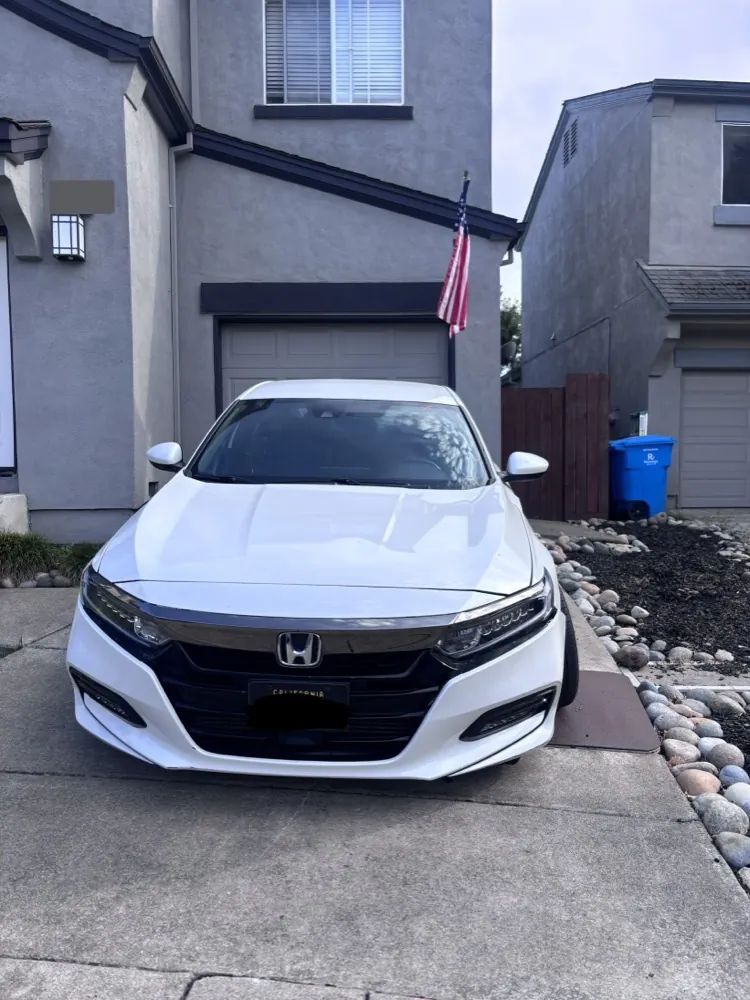
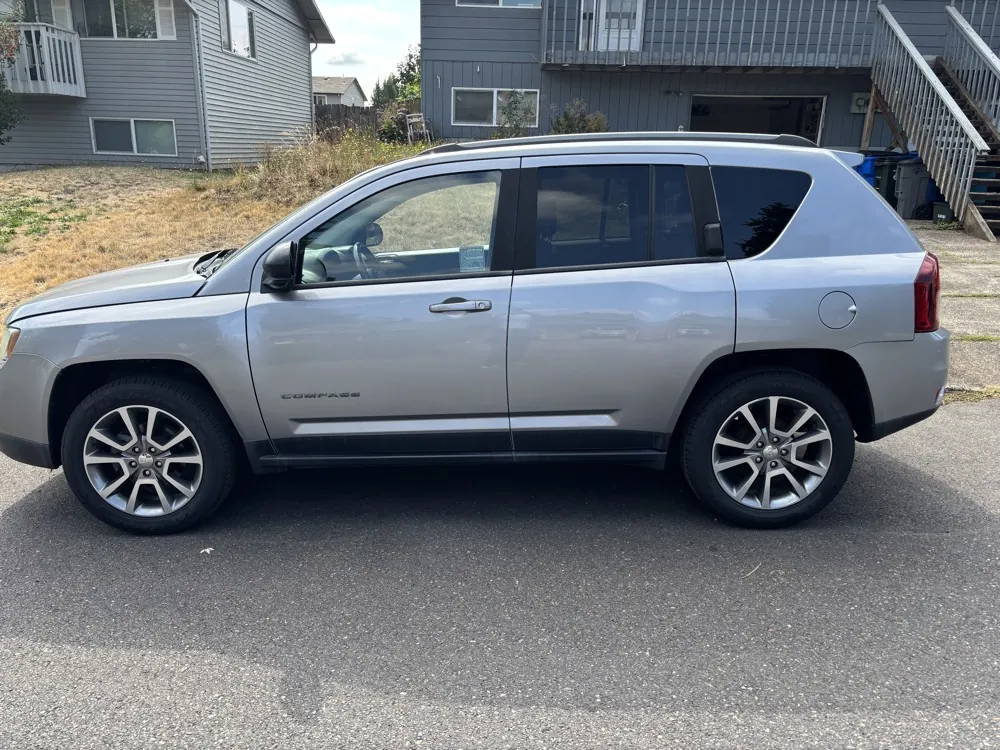
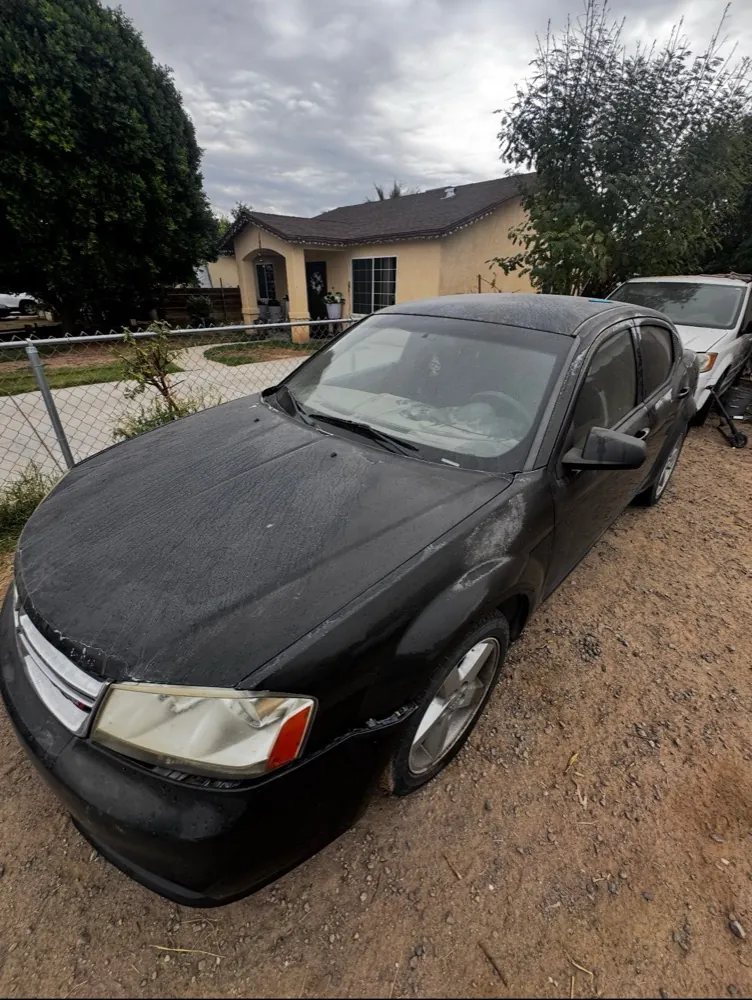
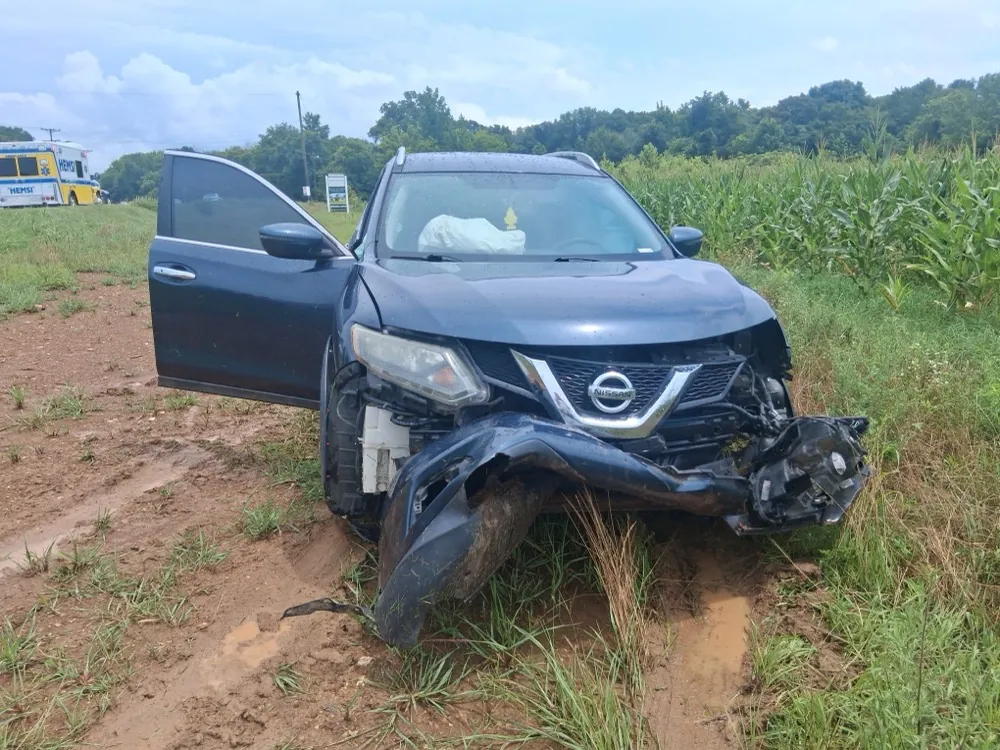
Recently Purchased Vehicles Across Texas
Illustrative examples — not live transaction data.