Junkyard Offer vs. Cash Buyer: The Real Difference
Published July 4, 2026 · CashMyCarTX Texas car-selling guide

Why the same Ford F-150 can get a $180 quote from one place and a $1,400 offer from another — and how to tell which kind of buyer you're actually talking to.
"I called three places about my dead minivan and got three totally different numbers — one guy offered me scrap price, another offered almost ten times that. Is one of them lying to me?" Not necessarily. You're probably talking to two different kinds of buyers who price vehicles using two completely different formulas. Understanding which formula someone is using — before you agree to anything — is the single biggest factor in whether you walk away with fair money or leave cash on the table.
What's the difference between a junkyard offer and a cash buyer offer?
A traditional junkyard or scrapyard prices your car almost entirely by weight, using the current market rate for ferrous scrap steel. A cash buyer prices your car by condition, parts value, and resale potential — the same way a used car dealer would, just applied to a vehicle that isn't roadworthy. Those are fundamentally different math problems, and they produce fundamentally different numbers.
Scrapyards operate on commodity economics. Steel scrap trades on published indices — American Metal Market (AMM) publishes empirically calculated ferrous scrap indices (No. 1 busheling, No. 1 heavy melt/HMS, and shredded scrap) on a monthly cycle, and the Federal Reserve's FRED database tracks the Producer Price Index for iron and steel scrap (series WPU1012) going back decades. When a scrapyard quotes you a number, they're essentially taking your vehicle's curb weight, estimating what percentage of that weight is reclaimable ferrous metal, and multiplying by the current per-ton index price, then subtracting their processing and transport costs. A sedan might weigh 3,000 pounds and yield roughly 1.5 tons of shreddable steel after aluminum, plastic, glass, and fluids are separated out. At scrap-index pricing, that's a modest, fairly rigid number that moves with the broader steel market — not with anything specific about your car.
A cash buyer, by contrast, isn't melting your car down. They're evaluating whether the engine runs, whether the transmission is good, whether specific high-value parts (catalytic converter, infotainment unit, alloy wheels, a recently replaced engine) can be resold, and whether the vehicle itself — even non-running — has resale value to a rebuilder, exporter, or parts buyer. That's a condition-and-market appraisal, not a commodity calculation, and it's why a car with a blown head gasket but straight body panels and 40,000 miles can be worth many times its scrap weight.
Why do two "junk car" offers differ so wildly?
Because you're often not comparing two offers for the same thing — you're comparing a scrap-weight quote to a resale-value quote. Ask any buyer directly: "Is this offer based on my car's weight in scrap steel, or on its condition and parts value?" A legitimate buyer will answer plainly. If they dodge the question, that's informative on its own.
A few other reasons quotes vary even between two condition-based buyers:
- Different resale channels. Some buyers sell primarily to export markets, some to domestic rebuilders, some to parts recyclers. Each channel values different things — export buyers often want complete, drivable vehicles; parts recyclers want specific high-demand components; rebuilders want clean titles and light damage.
- Local demand. A buyer active around Houston with a strong network of parts buyers may value your Tahoe higher than a buyer without that outlet, even if both are quoting in good faith.
- Towing cost absorbed differently. Some quotes are net of towing, others are gross, with towing deducted later. Always ask if the number you're hearing is the amount you'll be handed at pickup.
- How recently the quote reflects the vehicle's actual condition. A phone quote based on your description can shift once someone physically inspects the car — which is a legitimate adjustment if the discrepancy is real, and a red flag if it's a lowball tactic (see below).
How do I know if I'm getting a scrap-price offer or a real market offer?
Ask these direct questions before you agree to anything:
- "How did you arrive at this number — weight or condition?" A buyer working off condition should be able to describe what they valued (engine, catalytic converter, mileage, body condition).
- "Is this the amount I get in hand, or does towing come out of it?" Get this in writing or text.
- "Is this price locked once you see the car, or subject to change?" A dropped price after towing shows up is one of the most common complaint patterns reported by consumers dealing with junk car buyers — reputable buyers lock the number based on an honest description upfront.
- "Do you buy this vehicle regardless of running condition, missing parts, or a salvage/flood title?" Scrapyards often can't or won't touch anything with title complications; cash buyers who specialize in "as-is" vehicles usually can.
Does it matter whether my car runs or not?
It matters, but maybe not the way you'd expect. A scrapyard's price is largely indifferent to whether the car runs — they're weighing steel either way. A condition-based cash buyer's price is very sensitive to it, but not always in the direction people assume. A non-running car with an intact engine and transmission (blown head gasket, bad starter, electrical fault) can still carry solid resale value to a rebuilder, while a "running" car that's been in a serious flood or frame-bend accident may be worth closer to scrap regardless of whether the key turns. Condition, in this context, means the whole vehicle's story — mileage, drivetrain integrity, title status, rust, and completeness — not just whether it starts.
What does this mean for Texas sellers specifically?
Texas has a large used-parts and export market, particularly around the Interstate 10 and Interstate 35 corridors, which gives condition-based cash buyers more resale channels than a straight scrapyard has. That's part of why a cash buyer operating across Texas cities can often beat a local scrapyard's number on the exact same vehicle — they're not limited to melting it down. A car sitting in a driveway in Houston or a garage in San Antonio may be worth meaningfully more to a buyer with statewide reach and multiple resale outlets than to the nearest scrapyard weighing it by the pound.
This is also where the title matters. Texas requires the seller to provide a properly signed title (or acceptable alternative documentation) to transfer ownership, and a vehicle with a clean or even a rebuilt title generally has more resale paths — and therefore more competitive offers — than a bare-bones scrap-only vehicle. If you're unsure what your title status means for the offers you're getting, TxDMV's vehicle-selling resources are worth a five-minute read before you make any calls. That's also worth checking if you're weighing whether an offer reflects an honest condition-based valuation or looks more like one of the scam patterns that show up in junk car buying, since knowing which type of offer you're looking at helps you spot a lowball tactic before it costs you anything.
How do scrap prices actually move, and why should a seller care?
Scrap steel indices aren't static, and that matters if you're timing a sale or trying to make sense of why a quote today differs from one you got a few months ago. Ferrous scrap pricing tracked by sources like AMM and the Producer Price Index for iron and steel scrap moves with broader industrial demand — steel mill output, construction activity, export demand, even seasonal slowdowns. When the index is up, a pure scrap-weight quote rises with it; when the index is down, that quote falls, regardless of anything about your specific car. This is exactly why relying on "what my neighbor got for their truck last year" is a poor way to estimate your own offer if that neighbor's deal was scrap-based — the market has likely moved since then.
A condition-based cash offer is less exposed to these swings because it isn't purely a commodity calculation. Resale value for parts, drivetrains, and repairable vehicles depends more on regional demand for used components and vehicles than on the spot price of shredded steel. That's part of why cash buyers can often hold more stable, and often higher, pricing than a scrapyard whose number is tied directly to a fluctuating index. If a scrapyard quote you received six months ago was higher than what you're hearing today, it may simply reflect the index moving — not that your car lost value.
What about the paperwork difference between the two types of sale?
Scrapyards, because they're typically destroying the vehicle for parts and metal, often operate under simplified state paperwork specifically built for total destruction of a vehicle — in some cases using an authorized "certificate for authority to dispose" rather than a full title transfer, since the vehicle will never be titled again by anyone. A cash buyer who intends to resell the vehicle, repair it, or sell it for parts to other shops generally needs a standard, properly signed title transfer, because that vehicle (or its major components) may re-enter commerce. If a buyer asks for less paperwork than you'd expect, ask directly what they plan to do with the car — the answer usually explains the shortcut, and it should still leave you with a signed receipt or transfer notification for your own protection either way.
What should I actually do with two different quotes?
Don't treat the higher number as automatically "real" and the lower one as automatically a lowball — verify what each number represents first.
- Get both offers in writing or text, including whether it's net of towing.
- Ask both buyers the same three questions above so you're comparing apples to apples.
- Confirm the offer holds after a description-based phone quote, and ask what would cause it to change once someone sees the car in person.
- Check that pickup is free and scheduled on your timeline, not something you have to chase down.
If you want a straightforward, condition-based read on what your specific vehicle is worth — not a generic scrap-weight number — you can get a real cash offer from CashMyCarTX in a few minutes, or call (214) 617-0955 to talk through your car's situation directly. We buy vehicles across the state, including around Houston and San Antonio, in whatever condition they're in, and we tell you upfront how we arrived at the number so you're never guessing which kind of offer you're holding.
Bottom line
A junkyard quote and a cash buyer quote can legitimately differ by hundreds or thousands of dollars because they're solving different equations — one is pricing scrap steel against a published commodity index, the other is pricing a whole vehicle's resale and parts potential. Neither is automatically "the scam" and neither is automatically "the deal." The way to protect yourself is to ask directly how the number was built, get it in writing, and make sure you understand whether you're negotiating over a pile of steel or a vehicle with real remaining value. Once you know which conversation you're having, it's a lot easier to know whether the number on the table is fair — and if you'd rather skip the guesswork, our team will walk you through exactly how we valued your car before you commit to anything.
Ready to get a real number for your car? Get an instant cash offer from CashMyCarTX — free towing anywhere in Texas.
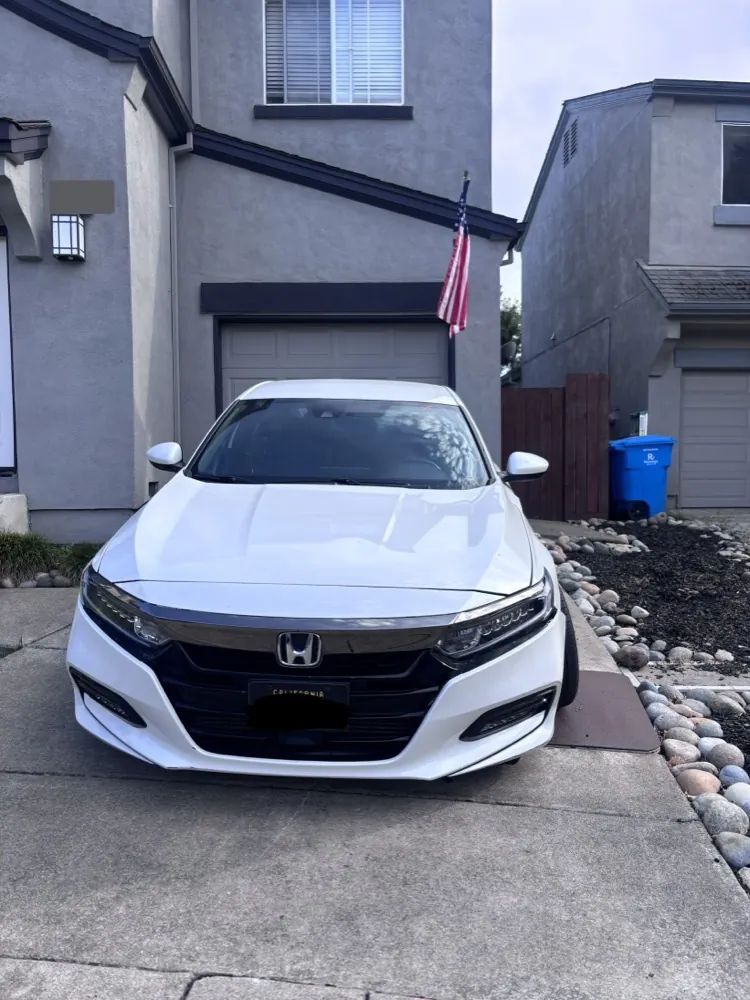
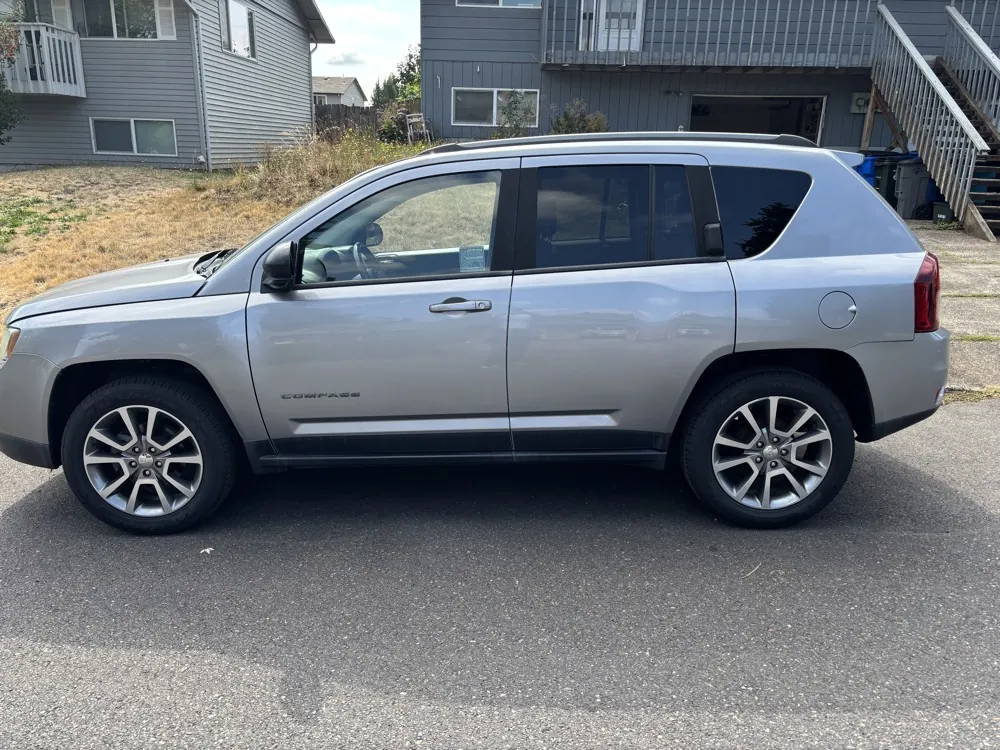
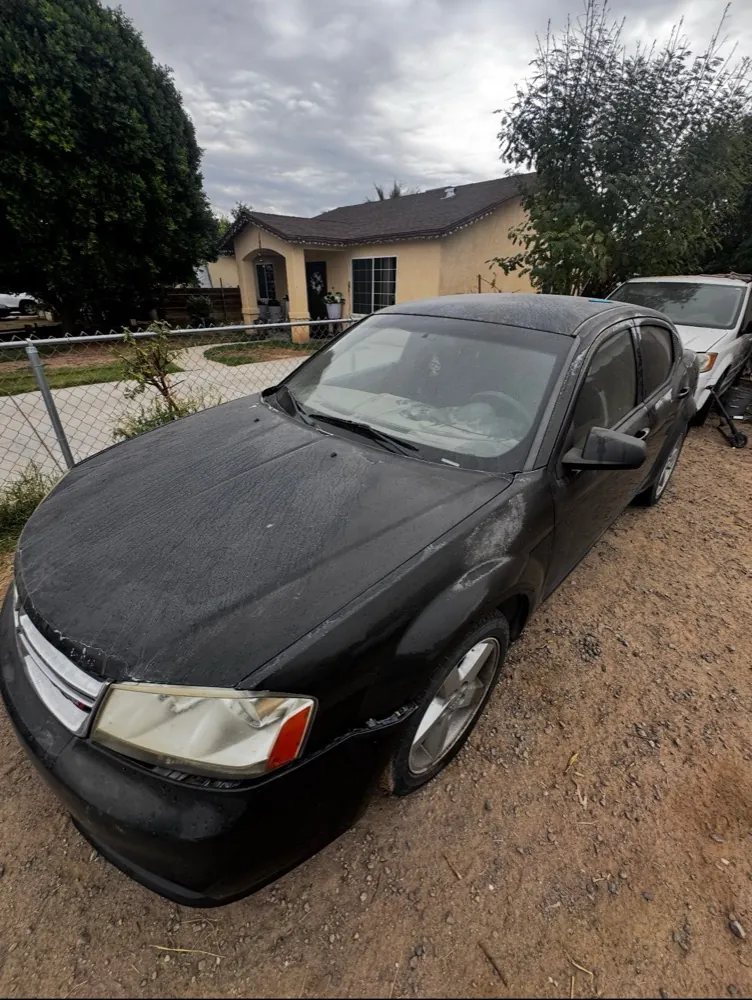
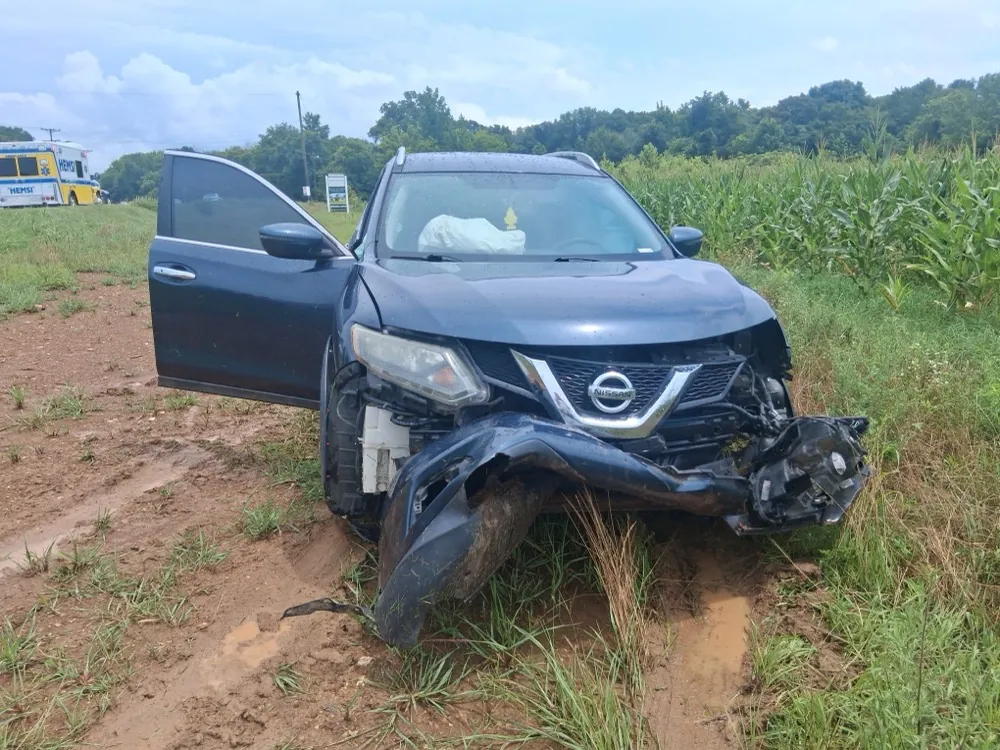
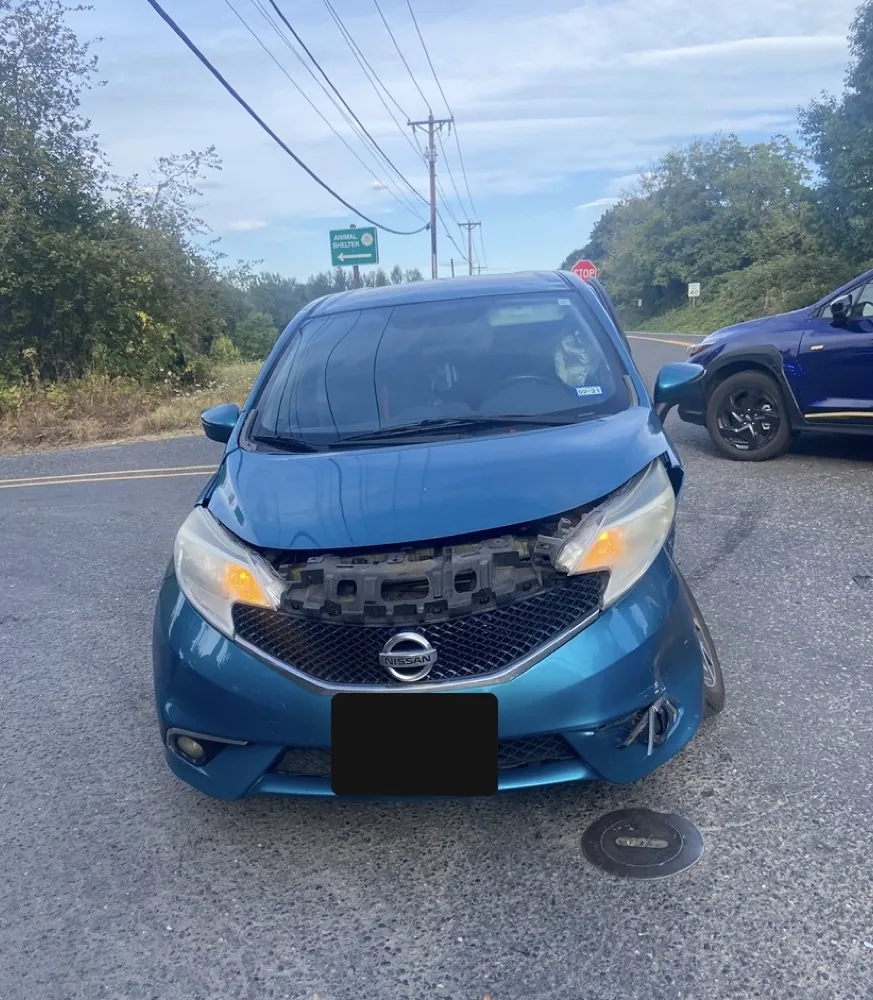
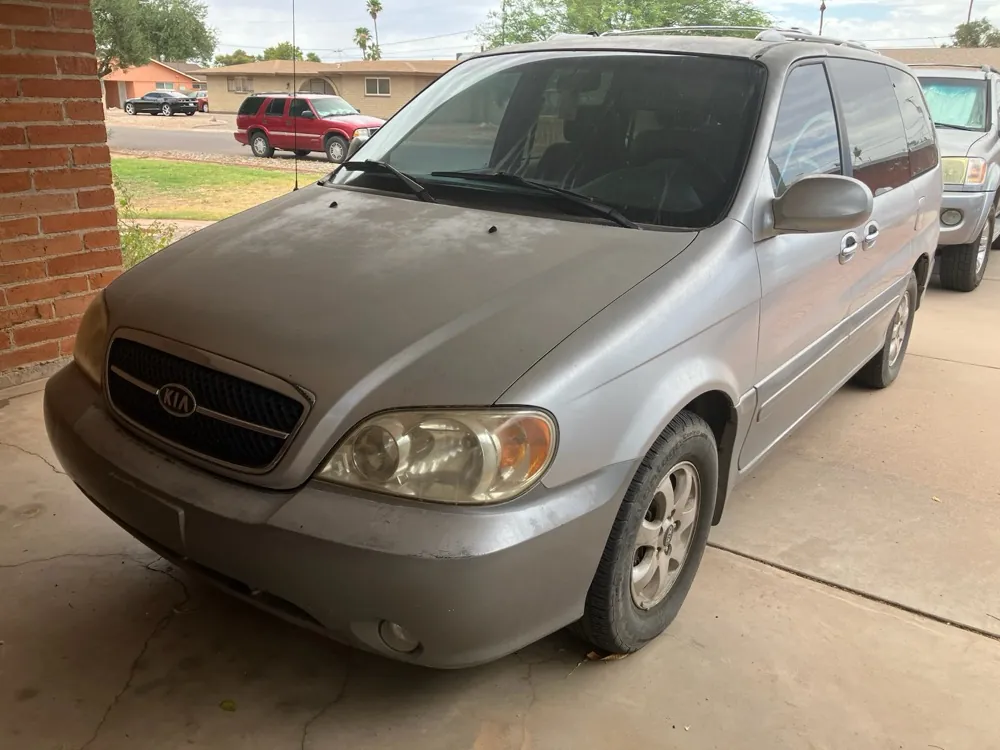
Recently Purchased Vehicles Across Texas
Illustrative examples — not live transaction data.