No Tow Truck Available? Selling a Junk Car in Rural Texas
Rural Texas towing gaps are real — here's why, what to ask before assuming no one will come, and how a statewide buyer solves it.

Why "nobody will come out here" isn't always the whole story
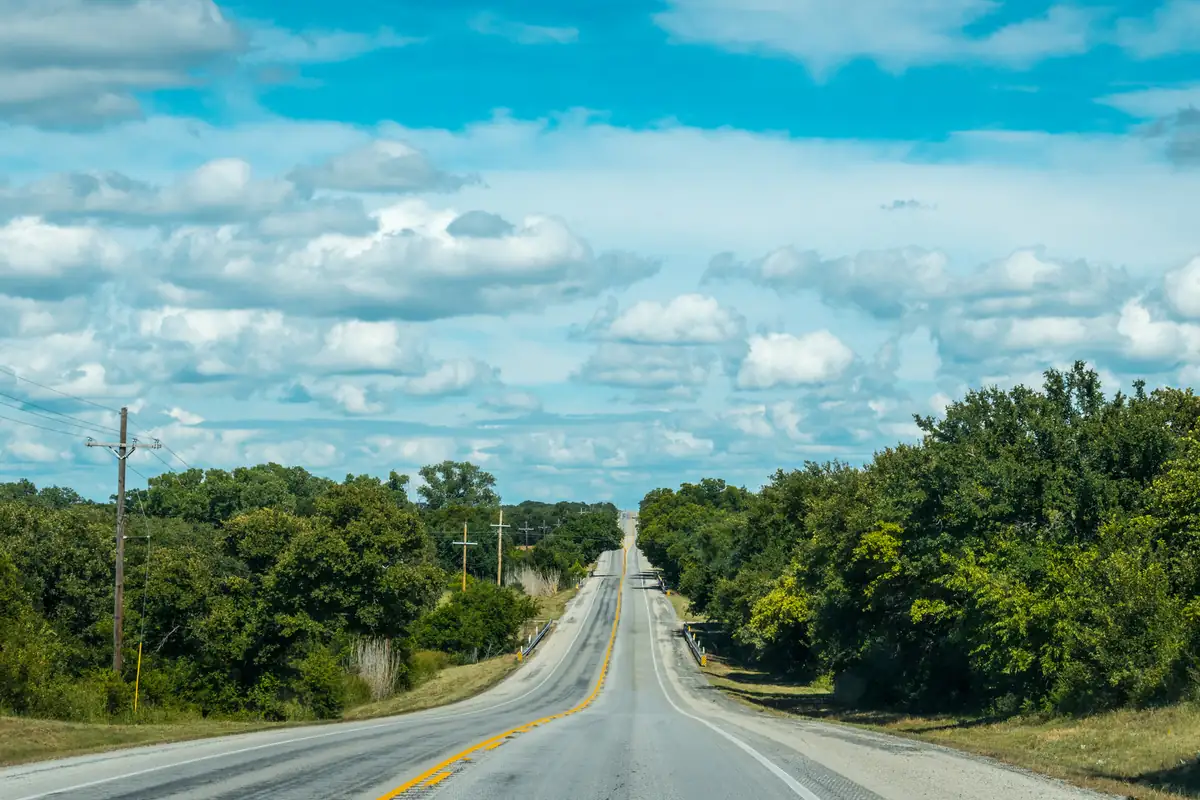
You've called around, and either nobody answers, or the one shop that does quotes a wait time measured in days, or a tow fee that costs more than the car is worth. If you're outside a major Texas city — out past Lubbock, north of Abilene, in the ranch country around Amarillo, or south toward the Corpus Christi coastal counties — this isn't in your head. Rural Texas genuinely has fewer towing options than the cities do, and the gap is wide enough that it changes how you should approach selling a car that won't move on its own.
On this page · 9 sections
- Is it actually harder to get a tow truck in rural Texas, or does it just feel that way?
- What should you ask before assuming no one will come?
- Why does a statewide buyer handle this differently than a local, city-only operator?
- What if the car isn't just non-running, but genuinely hard to access?
- How does county population loss make this worse over time?
- Does a car sitting in a rural county still have real value?
- What's the realistic timeline you should expect?
- What should you do if you're stuck in rural Texas with a car that won't move?
- Frequently Asked Questions
Is it actually harder to get a tow truck in rural Texas, or does it just feel that way?
It's real, and the numbers explain why. The Texas Comptroller's economic data puts the population density of the 30-county West Texas region at about 16 people per square mile, compared to a statewide average of 108 people per square mile — meaning the region most in need of towing coverage has roughly one-seventh the customer density that supports towing businesses elsewhere. That 39,800-square-mile region stretches from Mason and Brady in the east to the Rio Grande near Dryden and north to Seminole — an enormous service area for however many operators choose to base themselves there.
Towing companies are businesses, and businesses locate where there's enough call volume to support a truck, a driver, and insurance. In a county with a handful of people per square mile, a single tow call might mean a 60-90 minute drive each way for the operator, which many companies simply won't dispatch for, especially for a low-value junk vehicle where the tow fee alone might exceed what the car is worth to them. This isn't a service failure — it's the same math that explains why rural areas have fewer of most kinds of specialized businesses, from urgent care clinics to appliance repair.
It's also worth knowing that towing companies in Texas are licensed and regulated by the Texas Department of Licensing and Regulation (TDLR), which maintains a public search tool for verifying any operator's registration, insurance, and standing. If you're ever unsure whether a tow company that shows up is legitimate, TDLR's inquiry tool is the way to check — this matters more in rural areas precisely because there's less competition keeping every operator accountable to a crowded local market.
What should you ask before assuming no one will come?
Before writing off the whole idea of selling a non-running car, it's worth asking a few direct questions to whoever you're talking to:
- "Is towing included in your offer, or is that a separate cost I need to arrange myself?"
- "How far out does your service area actually extend?" (A company based in a city might still cover a much wider radius than their address suggests.)
- "What's your typical timeline for a rural pickup?" (A few extra days for a rural tow is normal and doesn't mean it's not happening.)
- "Do you need the car to be accessible by a flatbed, or can you work with a dirt road or field access?" (This is a common rural-specific issue that a city-only operator may not have equipment for.)
A lot of rural sellers assume "no tow truck" means "no sale," when what it usually means is "the local shop I called isn't set up for this specific pickup." That's a narrower problem than it feels like, and it's solvable with the right buyer.
Why does a statewide buyer handle this differently than a local, city-only operator?
A city-based junk car buyer typically works with one or two towing contractors who cover a defined metro radius — which makes sense for their business model, but leaves rural sellers outside that radius with no path forward from that particular buyer. A statewide operation, by contrast, is built around exactly this problem: covering the distance between Texas's dense metro corridors and its sparse counties by maintaining towing relationships and logistics that flex to wherever the car actually is, rather than where it's most convenient to reach.
Practically, that difference shows up in three places:
- The offer accounts for the pickup, not just the car. A statewide buyer prices towing into the deal upfront, so a rural seller isn't quoted a lower number just because their location is less convenient.
- Timelines are set honestly. A fast pickup that's realistic in Lubbock might genuinely take two or three days for a ranch 40 miles outside Amarillo — a statewide buyer who does this routinely will tell you that upfront instead of overpromising and rescheduling.
- They're not limited to one contractor. Because they cover the whole state, they typically have more flexibility to find a workable pickup solution for hard-to-reach locations, dirt roads, or vehicles without keys or with flat tires, rather than requiring the car to be drivable to a meeting point.
What if the car isn't just non-running, but genuinely hard to access?
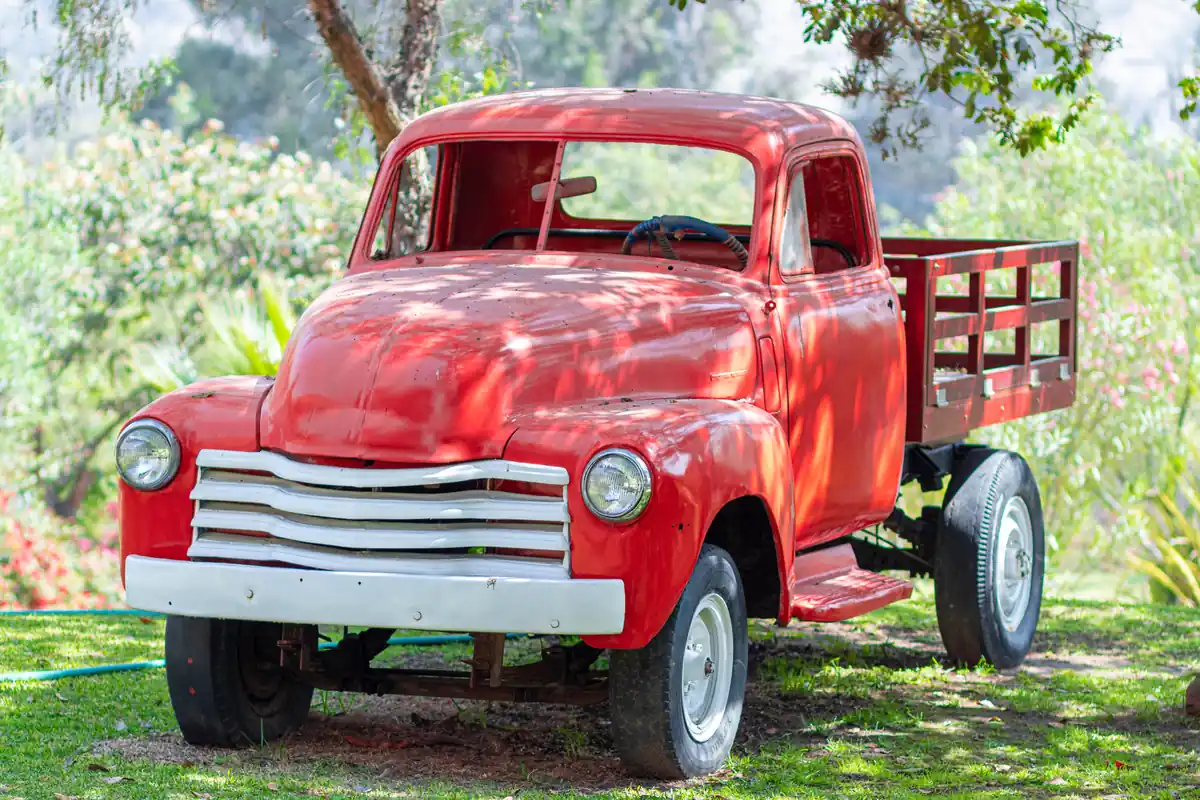
Rural junk cars often come with extra complications city sellers rarely deal with: the car's been sitting in a field for years, there's no cleared path for a flatbed, or it's on family land far from a paved road. This is worth being upfront about when you first reach out, rather than discovering it mid-pickup. A buyer who covers rural Texas regularly has usually seen this exact situation before and can tell you honestly whether it's workable and what it'll take — a chain and a truck, a different kind of tow vehicle, or in rare cases, a slightly adjusted offer to reflect a genuinely difficult recovery.
What you shouldn't accept is a flat "we don't come out there" without a real explanation. Given how much of Texas is genuinely rural — and how large that population still is in aggregate even at low density — any buyer serious about operating statewide should have an answer better than that.
How does county population loss make this worse over time?
The towing gap in rural Texas isn't static — in a lot of counties, it's slowly widening. Population data tracked at the county level shows that many rural West Texas and Panhandle counties have been losing residents for years, with some of the smallest counties seeing population declines well over 20-30% over recent census periods. Fewer residents means fewer local businesses of every kind, including towing operators, which creates a compounding effect: the same low-density conditions that made towing coverage thin to begin with keep getting thinner as the local customer base shrinks further. If you found towing coverage sparse in your county five or ten years ago, it's reasonable to expect it hasn't improved, and planning around a statewide buyer rather than hoping a new local option appears is usually the more realistic approach.
This also explains why price alone isn't the right way to evaluate offers in rural Texas the way it might be in a city. In a dense metro area, you can often get three or four competing quotes within a day. In a rural county, the operative question is usually "will anyone actually come," and a buyer who answers that clearly and follows through is worth more than a marginally higher offer from someone who never shows up.
Does a car sitting in a rural county still have real value?
Yes. Distance from a city doesn't change what a car is worth for parts, scrap metal, or resale — it changes what it costs to go get it, which is a logistics question, not a value question. A well-run statewide buyer separates those two things: they tell you what the car is worth, and they handle figuring out how to retrieve it, rather than passing that cost or hassle back to you in the form of a lowball number or a flat refusal.
What's the realistic timeline you should expect?
It helps to set expectations up front rather than measuring every rural pickup against a city standard. In or near Lubbock, Abilene, Amarillo, or Corpus Christi proper, a pickup within a few days (same day in some areas) is often realistic, since those cities have enough operator density to support quick turnarounds. Once you're 30, 50, or 80 miles outside those hubs — which describes a large share of the surrounding counties — a two-to-four-day window is more typical and shouldn't be read as a bad sign. What matters is whether the timeline you're given is honest and specific ("Thursday or Friday, we'll call the morning of") versus vague ("sometime this week, we'll see"). A buyer who's done this before in rural counties will typically be precise, because they've built their logistics around exactly this kind of distance.
It's also worth asking whether the offer is firm once it's made, or subject to change once the tow driver actually sees the car in person. Rural pickups sometimes reveal details that weren't obvious over the phone — a flat tire, missing wheels, or debris blocking the path — and a reputable buyer will have a clear, upfront policy for how (or whether) that changes the number, rather than surprising you at the last minute.
What should you do if you're stuck in rural Texas with a car that won't move?
Start by describing the situation honestly — where the car is, whether it runs, what access looks like — to a buyer who actually operates across the whole state, not just its cities. CashMyCarTX buys vehicles throughout Texas, including the areas surrounding Lubbock, Abilene, Amarillo, and Corpus Christi, and our assigned buying partner sends a truck rather than relying on a local shop that won't drive out that far, pricing towing into the offer rather than treating a rural pickup as someone else's problem to solve. And if your rural pickup already got towed and stored while you were sorting out a buyer, storage fees can pile up fast enough to eat the car's value before you ever get paid.
Call (214) 617-0955 and describe exactly where the car is and what shape it's in — that's the fastest way to find out whether it's a same-day fix or a slightly longer logistics job. Or get a real cash offer and see the number before committing to anything. Being out past the city limits shouldn't mean being out of options.
Ready to get a real number for your car? Get an instant cash offer from CashMyCarTX — free towing anywhere in Texas.