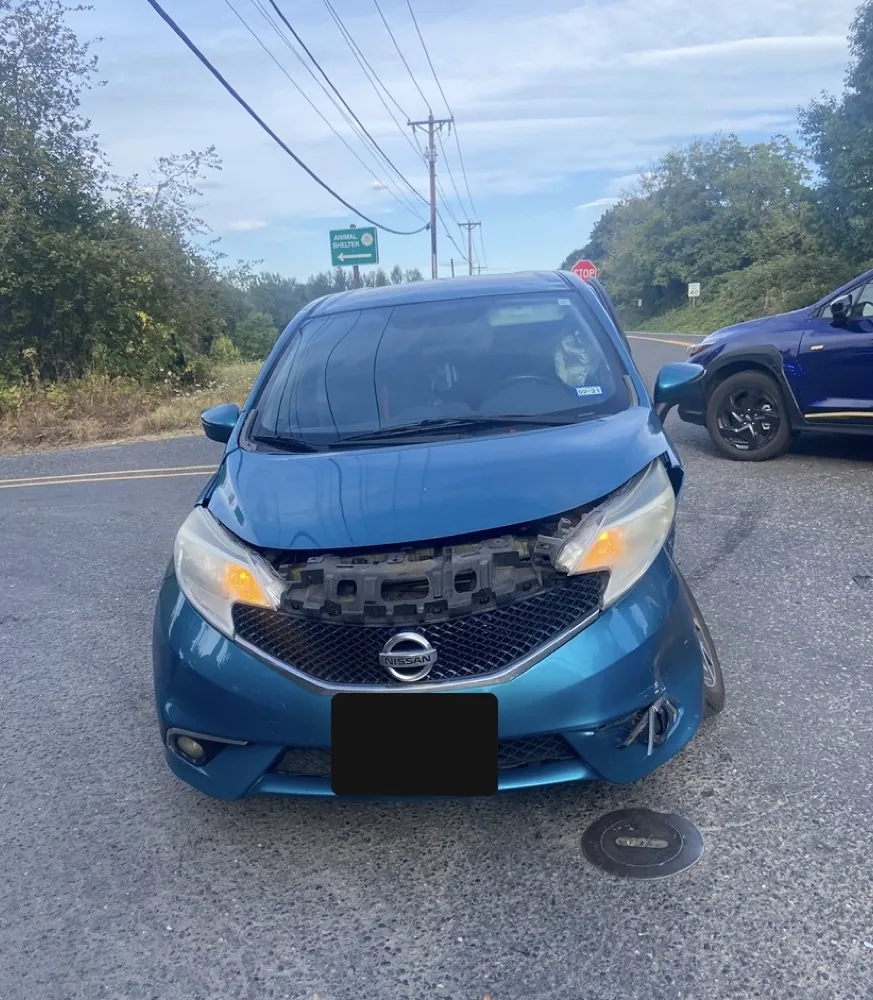
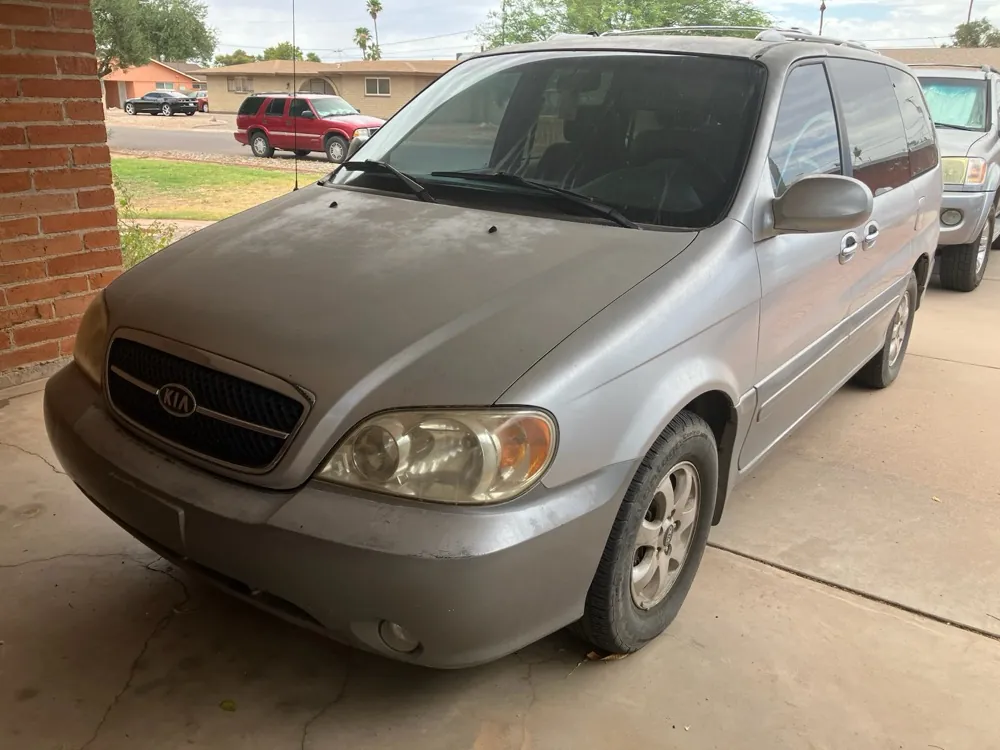
Can You Sell a Salvage Title Car in Texas?
Published July 4, 2026 · CashMyCarTX Texas car-selling guide

"My insurance company totaled my car after the hailstorm and sent me a salvage title instead of the regular one. Can I even sell this thing, or am I stuck with it?" You can sell it — Texas law has a specific, legal path for salvage-titled vehicles — but the buyer pool and the paperwork both look different than a clean-title sale, and knowing the difference up front saves you a lot of wasted phone calls.
Salvage titles carry a stigma that makes a lot of Texas owners assume the car is worthless or unsellable. Neither is true. What's true is that a salvage title changes who's allowed to buy the vehicle, what has to happen before it can be driven again, and what you're required to tell a buyer. Here's how Texas actually defines and handles it.
What does a salvage title mean under Texas law?
A salvage title in Texas means an insurance company (or the owner, in a self-insured situation) has determined that the cost to repair the vehicle exceeds its pre-damage value, and TxDMV has issued a Salvage or Nonrepairable Vehicle Title reflecting that. Per TxDMV's guidance on salvage vehicles, a vehicle carrying this brand cannot legally be operated on a public road again until it's been repaired and inspected. Until that happens, the vehicle exists in a kind of legal limbo — it's yours, you can sell it, but nobody can drive it on Texas roads with a salvage title alone.
TxDMV's NMVTIS brand categories under a salvage title include several distinct situations: general damage-based salvage, fire damage, "owner retained" (where the insurer declared a total loss but the owner kept the vehicle), salvage for reasons other than damage or theft (such as an unclaimed abandoned vehicle), and salvage-stolen (a vehicle previously reported stolen on which an insurance claim was already paid). Each of these gets the same underlying "salvage" brand, but the story behind the brand matters if a buyer asks — and they should ask.
What's the difference between a salvage title and a rebuilt title?
A salvage title means the vehicle has not yet been restored to legal roadworthiness. A rebuilt title means it has. Per TxDMV's rebuilt vehicle guidance, a salvage vehicle can't be titled for road use until it's been repaired, passed a required safety and anti-theft inspection, and the owner has submitted a Rebuilt Vehicle Statement (Form VTR-61) along with the authorization code from that inspection to the county tax office. Once that's done, TxDMV issues a new title branded "Rebuilt Salvage" — a permanent designation that stays with the vehicle for the rest of its life, even after future sales.
So the practical distinction is this: a salvage title car cannot be driven or registered as-is; a rebuilt title car can be driven and registered, but its history as a former salvage vehicle is permanently disclosed on the title itself. Neither title status disappears over time or with a change of ownership — both follow the vehicle indefinitely.
Do I have to tell a buyer the car has a salvage or rebuilt title?
Functionally, yes — and in most cases you don't have much choice, because the brand is printed on the title document itself, which the buyer needs to complete the sale. Beyond that built-in disclosure, Texas also requires an odometer disclosure statement, executed by the seller and acknowledged by the buyer, for any salvage vehicle under ten model years old — this is in addition to, not instead of, the title brand itself. Dealers face an even more specific rule: a dealer who knows a vehicle was previously salvage must post a visible notice on the vehicle disclosing it and get the buyer's separate signature acknowledging they understand the vehicle's history.
Private sellers aren't bound by that dealer-specific posted-notice rule, but that's not a loophole worth relying on — misrepresenting a vehicle's title status or condition to a buyer can expose you to fraud claims well beyond anything TxDMV enforces. The honest approach is also the simplest one: tell the buyer what brand is on the title, roughly why (hail, collision, flood, theft-recovery), and let the title paperwork back up what you've said.
Who actually buys a salvage-titled vehicle in Texas?
Realistically, three types of buyers:
- Licensed rebuilders and parts dealers, who buy salvage vehicles specifically to either repair them through the inspection process and resell them as rebuilt-title vehicles, or to part them out.
- Cash buyers who purchase vehicles regardless of title status, valuing the car for its remaining parts, drivetrain, or resale-after-repair potential rather than requiring it to be road-ready at the point of sale.
- Private individuals, but this is usually the hardest path. Most everyday buyers are looking for a vehicle they can drive immediately, and a salvage title means the car legally can't be registered or driven until it's repaired and inspected — which is a project, not a purchase, for the average private buyer. Financing is also typically unavailable for salvage-titled vehicles, which shrinks the private buyer pool even further. Private-party sales of salvage vehicles do happen, usually to hobbyists, mechanics, or people specifically looking for a repair project, but they're a much smaller and slower market than the private-party market for clean-title cars.
In practice, this means a private-party sale of a salvage car in Austin or El Paso can sit far longer than a comparable clean-title listing, simply because the buyer pool who can legally drive it away that day is so much smaller. Cash buyers who specialize in as-is and salvage vehicles exist precisely to solve that mismatch — they're not waiting for the car to be road-legal to see its value.
What about a "nonrepairable" title — is that different from salvage?
Yes, and the distinction matters if you're trying to figure out what's possible with your specific vehicle. A Nonrepairable Vehicle Title, per the Texas Salvage/Nonrepairable Motor Vehicle Manual, is issued for a vehicle that's been so severely damaged, or is otherwise so far gone, that it can never legally be rebuilt and returned to the road — only its parts and materials have value. A salvage title, by contrast, describes a vehicle that's a total loss financially but still physically capable of being repaired and reinspected into a rebuilt title. If your paperwork says "nonrepairable" rather than "salvage," selling to a parts buyer or scrap-oriented cash buyer is essentially the only realistic path — there's no repair-and-resell option on the table, by design.
Can I sell a salvage-titled vehicle out of state, or does it have to stay in Texas?
You can sell a Texas salvage-titled vehicle to an out-of-state buyer, but it's worth knowing that title brands generally follow the vehicle nationally through NMVTIS (the National Motor Vehicle Title Information System), which most states — including Texas — participate in and report to. That means a salvage or rebuilt brand assigned in Texas doesn't disappear if the vehicle is retitled in another state; the new state's DMV will typically see the brand history and apply its own rules for what that vehicle can and can't do there. Some buyers specifically look for salvage vehicles to export or rebuild in states with different reinspection standards, which is one more reason the buyer pool for salvage vehicles tends to be more specialized and less local than the market for clean-title cars.
Are there tax differences for a salvage vehicle sale in Texas?
Yes, worth knowing if you're the one keeping a salvage vehicle rather than selling it. The Texas Comptroller's motor vehicle tax guidance on salvage vehicles addresses this specifically, since the standard "standard presumptive value" calculation used for motor vehicle tax doesn't cleanly apply to a vehicle that's been declared a total loss. If you're unsure how this affects your specific situation — especially if you're retitling a repaired vehicle rather than selling it as-is — the county tax assessor-collector's office is the right first call, since they administer this at the point of title transfer.
If you're weighing whether it's even worth repairing the vehicle at all rather than selling it as a salvage unit, that decision often comes down to what happens to the fluids and battery if you go the other direction — worth a look at how Texas handles fluid and battery disposal for a car that isn't going back on the road.
What should I do differently when selling a salvage title car?
- Have the actual title in hand and read the brand on it exactly as printed (Salvage, Nonrepairable, Rebuilt Salvage, etc.) before you talk to any buyer — don't rely on memory of what the insurance company told you.
- Be upfront about why it's salvage — hail, collision, flood, or theft-recovery each mean different things to a buyer evaluating the car, and volunteering this builds trust faster than making a buyer dig for it.
- Don't promise a private buyer they can drive it home that day if it's still on a salvage (not rebuilt) title — that's not legally accurate, and it's the kind of misstatement that creates real problems later.
- Expect a smaller, more specialized buyer pool, and price your expectations accordingly — this is a market fact, not a negotiating trick from a buyer.
- Ask any cash buyer directly whether they purchase salvage-titled vehicles before you spend time getting a quote — some do, some don't, and it's a fast question to ask upfront.
Where CashMyCarTX fits in
We buy salvage and nonrepairable titled vehicles across Texas, including around Austin and El Paso — hail-damaged, flood-damaged, collision total losses, the full range of what a salvage brand can mean. You don't need to repair it, get it inspected, or find a private buyer willing to take on a project car. If you've got a salvage title sitting in a drawer and a car sitting in your driveway, get a real cash offer through CashMyCarTX, or call (214) 617-0955 and we'll tell you plainly what we can offer based on the title brand and condition you describe.
Bottom line
You can absolutely sell a salvage-titled car in Texas — the title itself is a legal document, not a dead end. What changes is who can buy it (a smaller, more specialized pool than clean-title buyers), what you owe the buyer in disclosure (the brand is on the title, plus an odometer statement for newer vehicles), and what has to happen before anyone can legally drive it again (repair, inspection, and a rebuilt title). Understand those three things going in, and selling a salvage vehicle becomes a straightforward transaction with the right buyer rather than a guessing game with the wrong one.
Ready to get a real number for your car? Get an instant cash offer from CashMyCarTX — free towing anywhere in Texas.
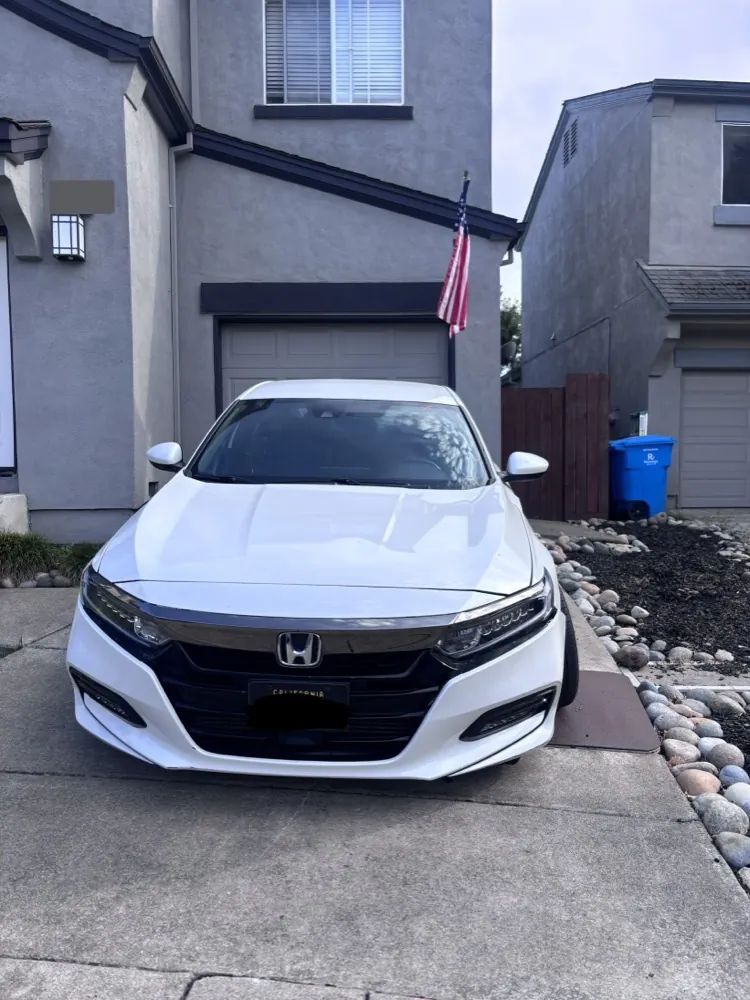
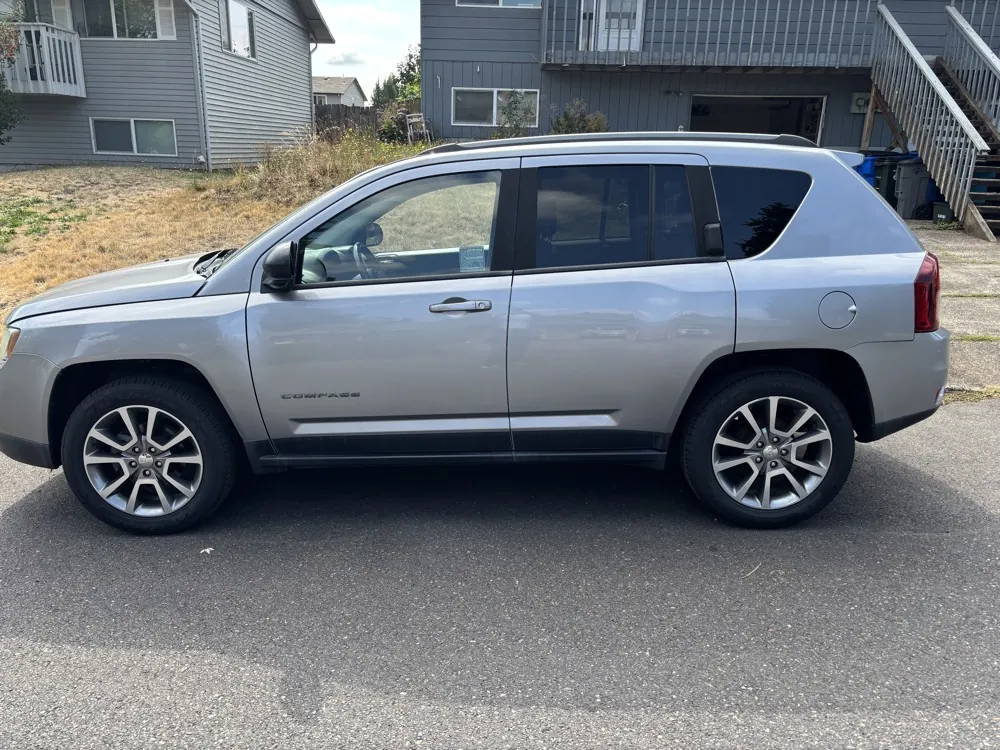
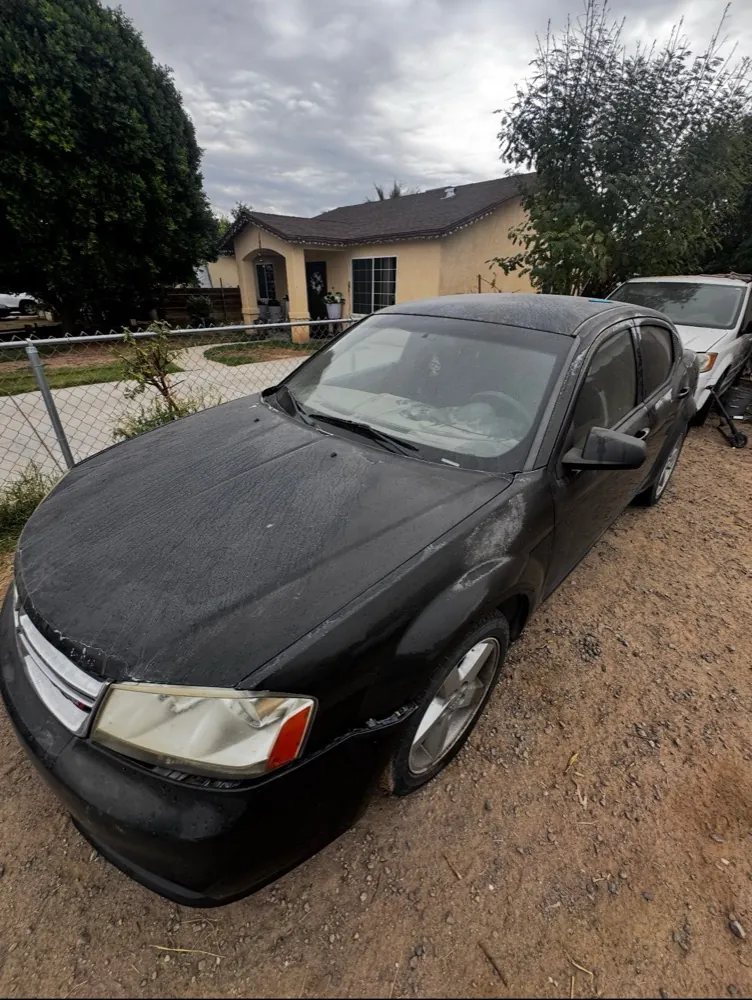
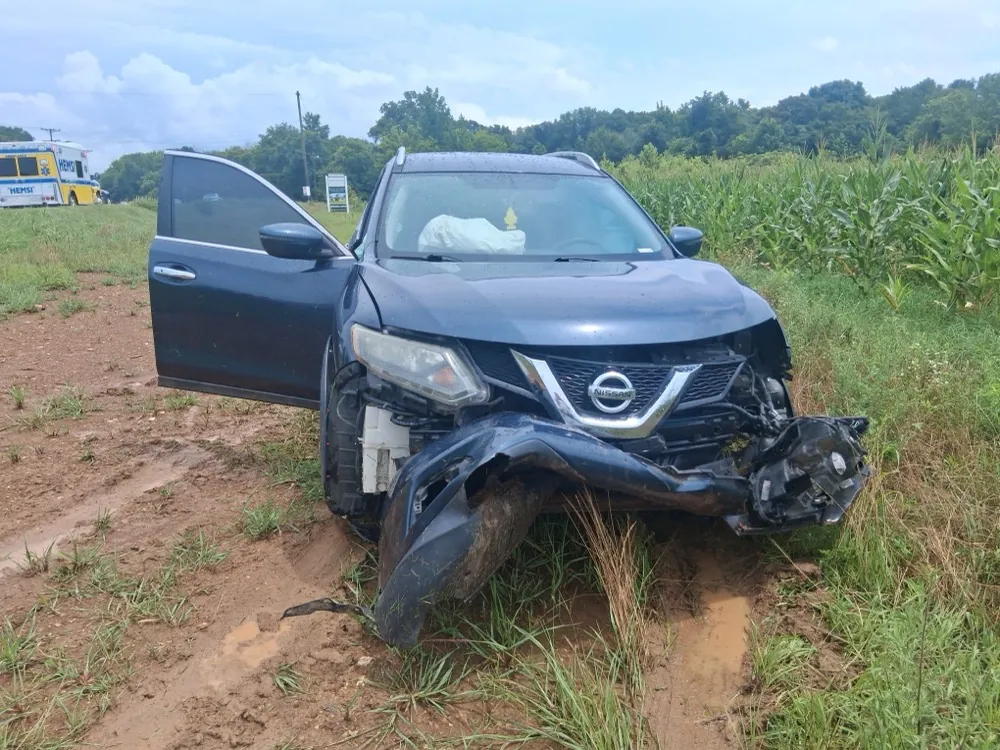
Recently Purchased Vehicles Across Texas
Illustrative examples — not live transaction data.