Texas Flood, Hail and Storm Damage to Your Car: What Insurance and FEMA Cover
Comprehensive coverage pays for flood, hail and storm damage; liability doesn't. Texas claim deadlines, when a flooded car is totaled, and FEMA help.
Texas storms don't ask what kind of car insurance you have. A spring hailstorm in Dallas, a flash flood in the Hill Country or a hurricane on the Gulf Coast can leave a car dented, flooded or crushed under a tree, and the first question is always the same: will insurance pay for this? The answer depends on one line on your policy, and if the answer is no, there are still options.
The short answer: Car insurance covers flood, hail and other storm damage only if your policy includes comprehensive coverage. Liability-only insurance, the minimum Texas requires, pays for damage you cause to other people, not damage to your own car. If your car is flooded and you have comprehensive, file a claim right away and don't start the engine. If you don't, FEMA may help after a federally declared disaster, or you can sell the car as-is.
This guide uses definitions and rules from the Texas Department of Insurance (TDI), FEMA and TxDMV, checked in September 2026.
On this page · 8 sections
- Does Car Insurance Cover Flood Damage?
- Does Car Insurance Cover Hail, Tornado and Hurricane Damage?
- If Your Car Flooded: What to Do First
- How Long Does a Texas Insurance Claim Take?
- Will a Flooded Car Be Totaled?
- No Comprehensive Coverage? What FEMA Covers
- Selling a Storm-Damaged Car As-Is
- Frequently Asked Questions
Does Car Insurance Cover Flood Damage?
Only comprehensive coverage does. The TDI auto insurance glossary defines the three coverages that matter here:
- Comprehensive pays for damage to or loss of your car "from causes other than accidents," which TDI lists as hail, vandalism, flood, fire and theft.
- Collision pays for damage from a crash, regardless of who caused it.
- Liability pays for injuries and damage you cause to other people. Texas requires at least $30,000 per injured person, $60,000 per accident and $25,000 for property damage ("30/60/25"). It pays nothing toward your own car.
So if a flood gets into your car and you carry only liability, your insurer won't pay for it. TDI's advice is to check your policy's declarations page, which lists your coverages. If you can't find your policy, call your agent or insurer, or TDI's Help Line at 800-252-3439.
"Full coverage" isn't an official coverage. People usually mean liability plus collision plus comprehensive, but only the declarations page tells you whether comprehensive is actually on your policy.
Does Car Insurance Cover Hail, Tornado and Hurricane Damage?
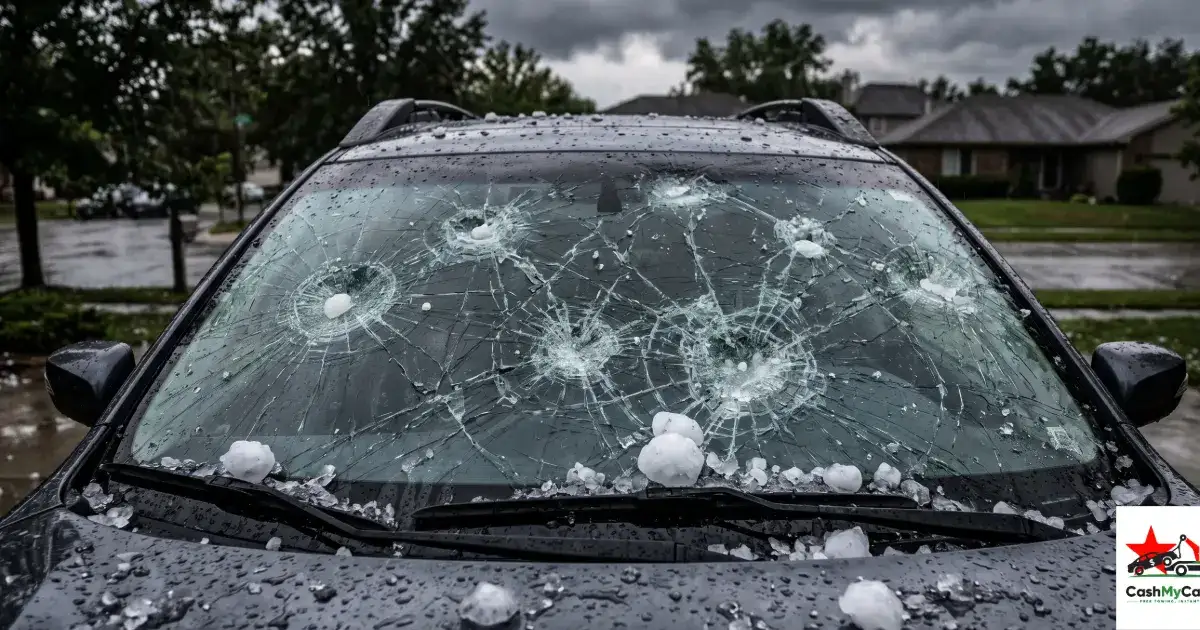
The same rule applies. Hail is named in TDI's definition of comprehensive. Wind damage, a tree or debris falling on the car, and tornado or hurricane damage aren't collisions either, so they normally fall under comprehensive too. Check the exclusions section of your policy to be sure. Collision coverage alone won't pay for storm damage, and liability won't pay for any damage to your own car.
Hail claims have their own problems, from low repair estimates to disputes over pre-existing dents. Our post on hail claims and denials in Texas covers them.
If Your Car Flooded: What to Do First
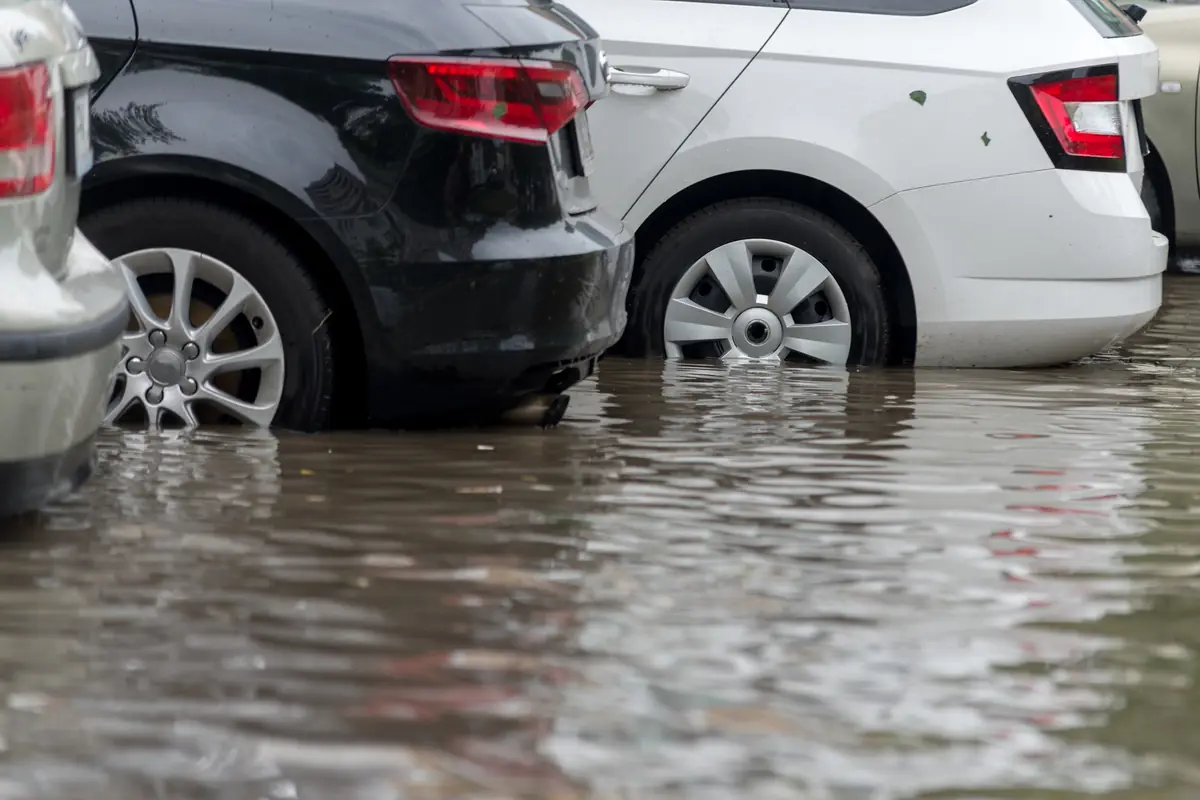
- Don't start it. TDI says to have a mechanic look at a flooded car before you try to start it, to avoid more damage. Water in the engine or electronics can turn a repairable car into a total loss.
- Photograph everything before the car is moved: all sides, the waterline inside and out, and the interior. TDI suggests photos of the car submerged, if you can take them safely.
- Call your insurer as soon as possible, using the claims number on your policy.
- Keep the paperwork together: registration, the policy, the claim number, photos, and any mechanic's written estimate.
- If the car floated away, TDI says to contact the police department's unclaimed autos unit to see whether it has been recovered.
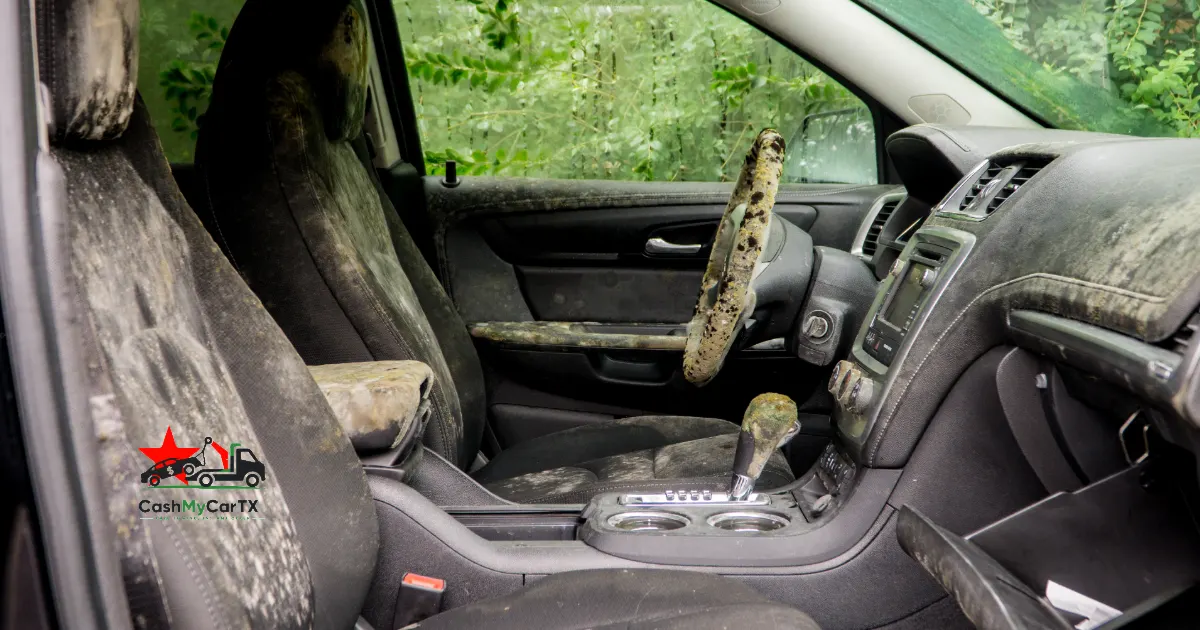
Drying out a flooded car is a job for a professional. TDI warns that a car that isn't dried out properly is at risk of mold and electrical problems.
How Long Does a Texas Insurance Claim Take?
Texas sets deadlines. According to TDI, your insurance company has 15 business days to acknowledge your claim. Once it has everything it needs from you, it has 15 business days to decide whether it will pay. It can extend that by 45 days if it tells you why it needs more time, and if it rejects the claim, it has to explain why in writing. TDI notes that deadlines can also be extended after a disaster, when claim volumes spike.
If the insurer isn't following the rules, TDI can help. Call the Help Line or file a complaint.
Will a Flooded Car Be Totaled?
The insurer compares the car's actual cash value, meaning its replacement cost minus depreciation, with the cost of repairs. If repairs cost more than the car is worth, it's totaled. TDI points out that the old rule of thumb, "water up to the dashboard means a total loss," no longer holds. Modern cars carry so much electronics that a car can be totaled even if water never reached the engine.
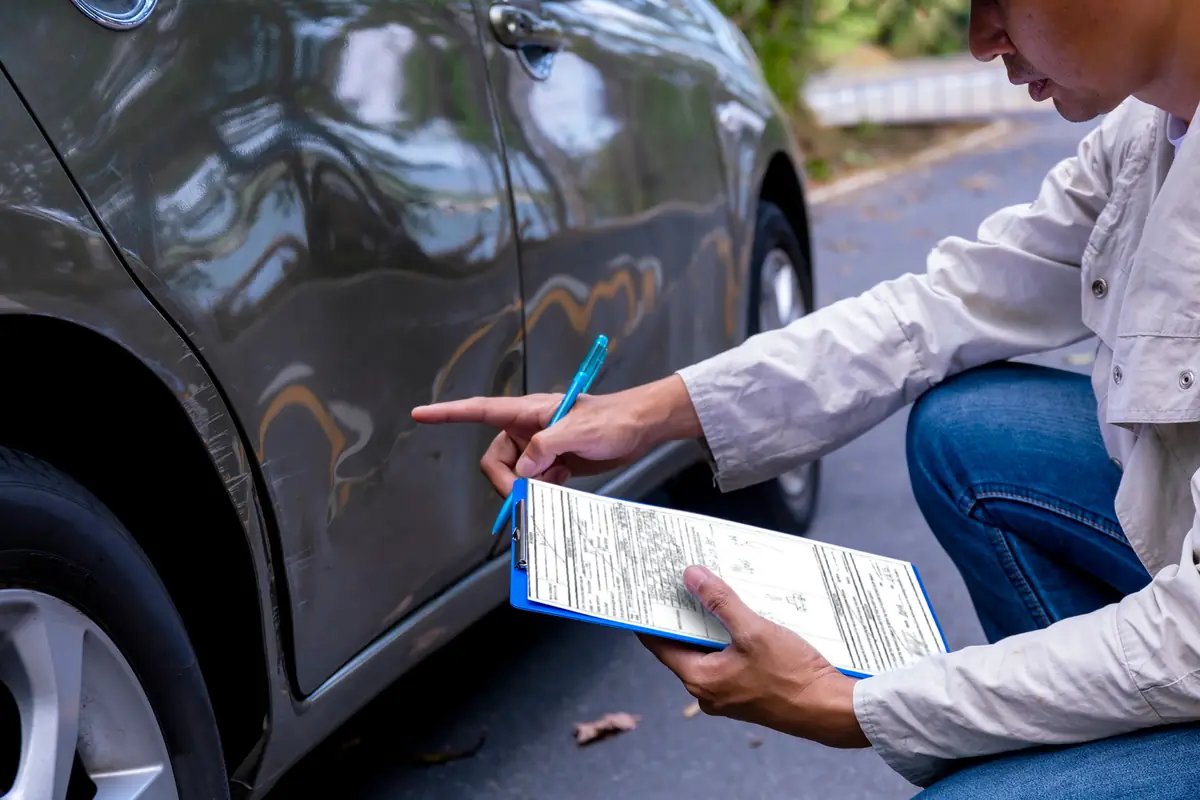
If the car is totaled and you still owe money on it, gap insurance pays the difference between the settlement and the loan balance. Without gap coverage, you owe the rest. If you think the settlement is too low, you can negotiate. TDI suggests bringing dealer quotes, local listings for similar cars, and records of any special features.
A flood total loss also changes the title. Under TxDMV rules, a vehicle that becomes salvage or nonrepairable solely because of flood gets a "Flood Damage" notation on its title (43 TAC §217.84), and that notation carries forward to every future title. A separate rule, 43 TAC §221.50, restricts how those vehicles can be sold and requires salvage dealers to disclose the flood history in writing. For more on what a total loss offer should look like, see why total-loss offers are changing in Texas.
No Comprehensive Coverage? What FEMA Covers
If your county is part of a presidentially declared disaster, FEMA's Individuals and Households Program includes Transportation Assistance: money to help repair or replace a vehicle damaged by the disaster when you don't have another vehicle you can use. The rules, from FEMA's July 2025 fact sheet for the Texas floods:
- File with your insurance first. FEMA helps with losses your policy doesn't cover.
- You or a co-applicant must have owned the car at the time of the disaster, and it must have met the minimum liability insurance requirement.
- You can't also own an undamaged vehicle, unless you can show a need for two, such as separate transportation for work, school or medical care.
- Unlike most FEMA help, you don't have to live in the declared county. If your car was damaged there while you were working or visiting, you may qualify.
If the car wasn't part of a FEMA housing inspection, FEMA asks for: a copy of the registration valid on the disaster date, a list of all vehicles you own with a short description of the damage, a mechanic's estimate or receipt that states the damage was caused by the storm, the mechanic's name and contact details, your insurance policy and any settlement or denial, and a statement explaining why the vehicle is necessary. Apply at DisasterAssistance.gov, through the FEMA app, or by calling 800-621-3362.
One thing FEMA doesn't do is take the car away. Its help is money for repair or replacement, and the wrecked car is still yours to deal with.
Selling a Storm-Damaged Car As-Is
Sometimes the numbers don't work: no comprehensive coverage, repairs that cost more than the car is worth, or a settlement that leaves you with a car you don't want. Selling it as-is gets the car off your property and puts money toward a replacement. A flood-branded or hail-damaged title lowers the price, but it doesn't make the car unsellable.
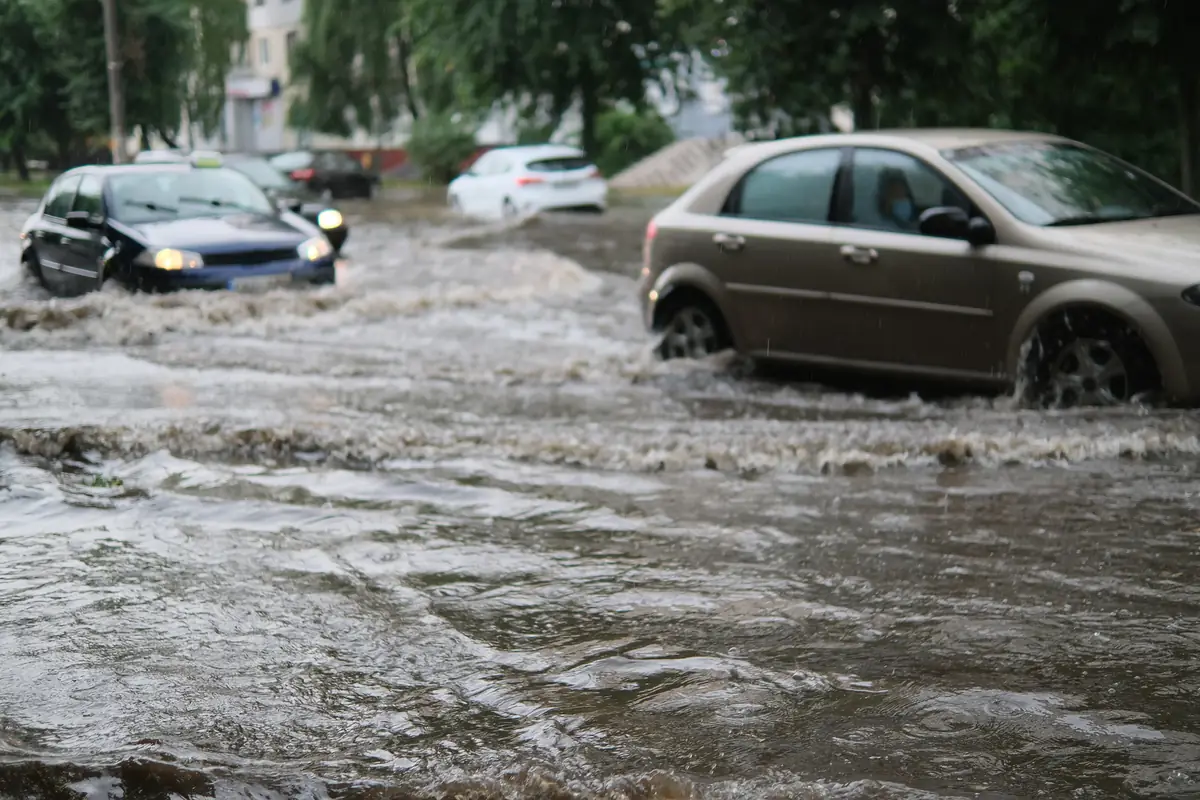
We buy flood-, hail- and storm-damaged cars across Texas, running or not, with free towing. Our guides to selling a flood-damaged car, a hail-damaged car or a totaled car explain how each one is valued, and the Texas storm damage tracker covers when storm season hits which parts of the state. If you're in the Houston area, our guide to selling a flood-damaged car in Houston goes into more detail.
Ready to get a real number for the car? Get an instant cash offer from CashMyCarTX, with free towing anywhere in Texas.